Baomo Garden is located in Zini Village, Shawan Street, Panyu District, Guangzhou City, Guangdong Province, and is a national 4A-level tourist attraction. Covering a total area of approximately 100,000 square meters, it is a large-scale antique Lingnan-style garden that integrates classical Lingnan architecture, waterscape gardens, calligraphy and painting arts, and cultural relic collections. The garden features an intricate network of waterways, with pavilions, terraces, and towers built along the water. It extensively employs traditional Lingnan decorative crafts such as brick carving, ceramic sculpture, plaster molding, wood carving, and stone carving, creating a landscape where views change with every step and lakes blend harmoniously with the garden. The site serves multiple purposes including leisure sightseeing, art exhibitions, and traditional cultural education. Its core highlights are its collections of precious calligraphy and paintings, ancient artifacts, and the recreation of classic Lingnan garden scenery, making it one of the representative cultural attractions of Lingnan garden art.
History and Culture
Baomo Garden was first built during the Jiaqing reign of the Qing Dynasty, originally named Baomo Hall (Baomo Tang). It was constructed in Zini Village to commemorate the renowned Northern Song official Bao Zheng (Lord Bao) and to promote his ideals of integrity and upright governance. During the late Qing and early Republic of China period, the old garden gradually fell into disrepair, with most of its original buildings severely damaged and the garden losing its former completeness.
In 1995, local authorities initiated a reconstruction project for Baomo Garden, selecting a site near the original location and planning the garden in accordance with traditional Lingnan landscaping principles. In 1999, the reconstructed Baomo Garden officially opened to the public, with subsequent expansions and improvements. Overseas Chinese collector Mr. Zhao Tailai generously donated a large number of ancient and modern calligraphy works, paintings, bronze vessels, ceramics, jade artifacts, and other cultural relics to the garden, greatly enriching its cultural significance and transforming it into a site that combines garden scenery with museum exhibitions.
The garden takes Lord Bao's culture of integrity as its spiritual core, while integrating Cantonese water-town folk customs, Lingnan garden art, and the culture of overseas Chinese returning cultural artifacts. It hosts year-round calligraphy and painting exhibitions, intangible cultural heritage demonstrations, and traditional festival activities, continuously preserving and promoting Cantonese traditional culture.
Major Attractions
Baomo Hall (Baomo Tang)
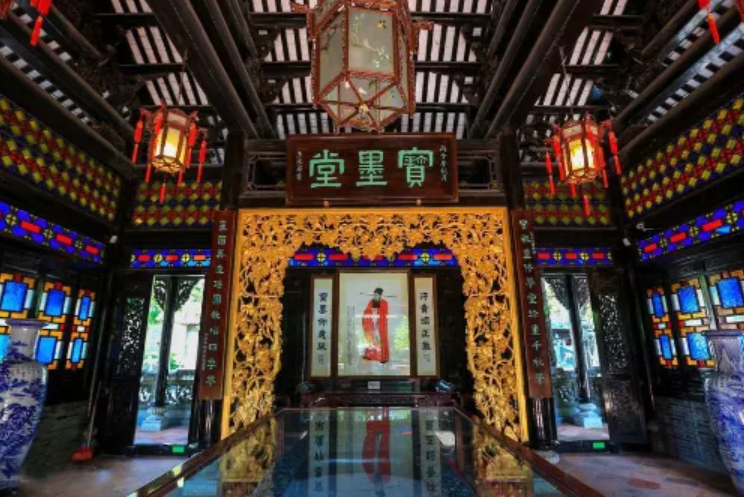
Baomo Hall is the central architectural structure of the garden, inheriting the name from the Qing Dynasty original and dedicated to commemorating Bao Zheng. Inside the hall stands a statue of Lord Bao, along with related graphic materials and historical records that illustrate his incorruptible governance. The building features a typical Lingnan hall layout, with finely carved wooden beams, brackets, doors, and windows. The front of the hall faces a lake, offering a broad view, and it serves as the core venue for displaying the garden's culture of integrity.
Qingping Lake
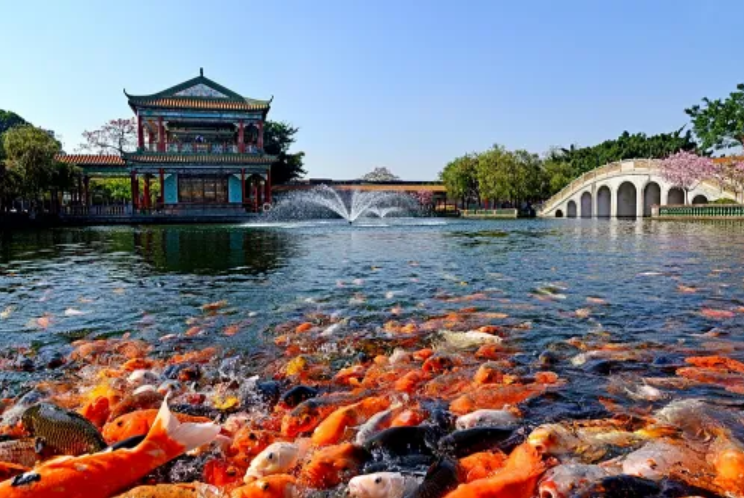
Qingping Lake is the central main lake of the garden, with expansive waters that run through the main areas. The lake is stocked with koi carp, which visitors can feed and watch. Along the lakebanks are corridors, pavilions, stone bridges, and the Zidong Fang (a large ornamental boat) moored at the water's edge. The lake connects various scenic spots, forming the water-garden framework of Baomo Garden and providing a prime area for waterscape photography.
Zidong Fang
Zidong Fang is a large antique pleasure boat moored along the shore of Qingping Lake. Modeled after the Pearl River Zidong boats of modern times, it features interior halls for rest and lake viewing. Its exterior is ornately decorated, showcasing a variety of Lingnan sculptural crafts, and it is one of Baomo Garden's iconic landmarks.
Zhao Tailai Art Palace
The Zhao Tailai Art Palace is dedicated to displaying the diverse collection of artworks donated by Mr. Zhao Tailai. Its multi-level exhibition halls present ancient and modern calligraphy, paintings, ceramics, bronze sculptures, jade objects, and other cultural relics. With a vast number of exhibits, it is an important museum venue within the garden, allowing visitors to appreciate masterpieces of craftsmanship from various dynasties.
Huo Zongjie Collection Hall
The Huo Zongjie Collection Hall exhibits calligraphy, paintings, and art objects donated by Mr. Huo Zongjie, with a focus on modern and contemporary works. The hall itself is elegantly designed, complementing the surrounding waterscape, and provides a space for calligraphy and painting enthusiasts to appreciate and critique artworks.
Zhiben Hall
Zhiben Hall is an auxiliary hall adjacent to Baomo Hall. Its name derives from the phrase "cultivating integrity as the foundation" (xiu shen zhi ben). Inside, calligraphy and painting works are displayed, and small-scale calligraphy and painting exchange events are often held here. The hall's corridors connect to the lakeside, making it a pleasant spot for walking and resting.
Lijing Bay
Lijing Bay is located in the southern part of the garden, with lychee trees planted along its banks. The winding water channels and numerous small bridges and streams create a tranquil atmosphere. This area features small water features, shrubs, greenery, and leisure pavilions, attracting fewer visitors, making it ideal for a quiet stroll.
Rose Garden
The Rose Garden cultivates a rich variety of roses and monthly roses, with blooms throughout the seasons. Combined with decorative rocks and water features, it forms a flower-viewing area that is a popular spot for photography and check-ins.
Recommended Tour Route:
Main Gate → Baomo Hall → Zhiben Hall → Qingping Lake → Zidong Fang → Zhao Tailai Art Palace → Huo Zongjie Collection Hall → Lijing Bay → Rose Garden → Return to Exit
Visiting Tips:
Suggested visiting time: 3–4 hours, allowing ample time to explore the exhibition halls and stroll through the gardens.
Spring and autumn offer comfortable weather for a full day's visit; in summer, it is advisable to enter in the morning or late afternoon to avoid the midday heat.
Photography enthusiasts should prioritize Qingping Lake, Zidong Fang, and the Rose Garden, as the waterside areas provide excellent photo opportunities.
When visiting exhibition halls, please do not touch the exhibits and follow the directional signs.
Fish food is available for purchase on-site to feed the koi, making it a fun activity for families with children.
During holidays, the garden is crowded; visiting on weekdays is recommended for a better experience.
Important Notices:
Swimming and fishing are strictly prohibited in the garden. Do not climb over lakeside railings, and pay attention to water safety.
Please protect the ancient buildings, sculptures, and plants; do not carve on walls or pick flowers.
In some exhibition areas, flash photography is prohibited; please follow the signs.
Large drones are not allowed to fly inside the garden without prior approval from the management.
Pets are not permitted inside the garden.
As there are many water areas, parents must closely supervise children to prevent accidents near the water.
Open flames and flammable/explosive items are prohibited from being brought into the garden.
Transportation:
Public Transit: Take Metro Line 3 to Shiqiao Station, then transfer to Bus Panyu 67 or Panyu 12 to reach Baomo Garden Terminal.
Driving: Navigate using "Baomo Garden" as the destination; the site has a parking lot for visitors.
Tourist Buses: On holidays, some travel agencies offer direct tourist bus services from downtown Guangzhou to Baomo Garden; check schedules in advance.
Opening Hours:
Baomo Garden is open daily from 8:30 AM to 5:30 PM, with last admission at 5:00 PM. During statutory holidays, regular hours are generally maintained. Any temporary adjustments will be announced through official channels; visitors are advised to check the latest notices before departure.
Ticket Price:
Entry ticket: 54 RMB per person.