Guangzhou Baiyun Mountain Scenic Area is located in Baiyun District, Guangzhou, Guangdong Province. It is one of the famous mountains in southern Guangdong and has been known since ancient times as the “finest scenery in Yangcheng” (Guangzhou). It is now a national 5A-level tourist attraction. Baiyun Mountain covers an area of about 21.8 square kilometers. Its mountain body is quite broad and consists of more than 30 peaks. The scenic area is rich in vegetation, has a high forest coverage rate, and fresh air, and serves as an ecological barrier for Guangzhou. Baiyun Mountain has many scenic spots and historical sites, such as Pugu, Nengren Temple, Tiannan First Peak, and Mingchun Valley. At the same time, several viewing platforms and leisure facilities have been built on the mountain, such as the Moxing Ridge Viewing Platform and Baiyun Wanwang, for visitors to enjoy the scenery and rest.
Historical Culture
Baiyun Mountain has a long history and culture. As early as the Warring States period, there were traces of human activity here. During the Qin Dynasty, Baiyun Mountain had become an important area of the Nanyue Kingdom. Over the long course of history, it has left behind the footprints and poems of many men of letters.
During the Ming and Qing dynasties, Baiyun Mountain gradually became a famous scenic area in Guangzhou. Many religious buildings, such as temples and Taoist monasteries, were built here, including Nengren Temple. These buildings were not only places for religious activities but also embodied the architectural art and cultural characteristics of the time.
In modern and contemporary times, through continuous development and protection, Baiyun Mountain has gradually become a popular tourist destination for Guangzhou residents and visitors. At the same time, it has witnessed the development and changes of Guangzhou and carries rich historical memory and cultural connotations.
Main Attractions
Moxing Ridge
Moxing Ridge is the highest peak of Baiyun Mountain, with an elevation of 382 meters. It is known as the “First Peak under Heaven in the South.” Climbing Moxing Ridge, visitors can overlook the entire urban area of Guangzhou, with the Pearl River like a ribbon and tall buildings standing in rows; the scenery is magnificent. There are various stone carvings and viewing platforms on the ridge, making it a must-visit place. Moxing Ridge is densely vegetated with fresh air; here one can feel the tranquility and beauty of nature.
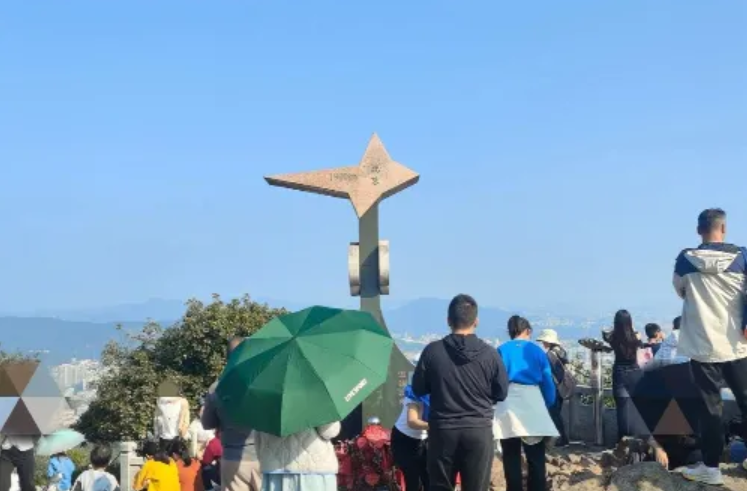
Mingchun Valley
Mingchun Valley is one of China’s largest natural bird-watching areas, covering an area of 50,000 square meters. The valley is home to more than 100 species and over 5,000 birds. Stepping into the valley, visitors hear birdsong everywhere, as if entering a kingdom of birds. Here, visitors can not only observe colorful birds but also learn about the living habits and protection of many birds. The valley has bird-watching platforms and science popularization display areas, offering visitors a rich viewing and learning experience.
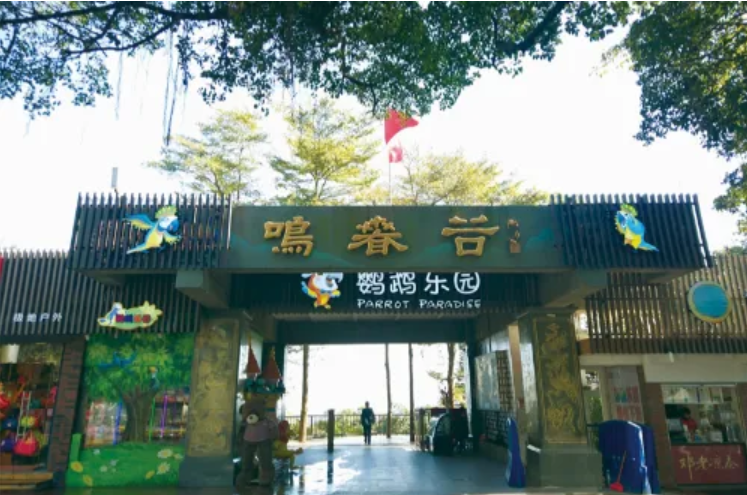
Nengren Temple
Nengren Temple is an ancient temple among the many temples on Baiyun Mountain. It was first built in the Qing Dynasty and has a long history. The temple is built against the mountain, with a rigorous layout and a simple, elegant architectural style. It contains main buildings such as the Mahavira Hall and the Sutra Library, as well as exquisite Buddha statues and stone carvings. Nengren Temple has flourishing incense; on holidays, worshippers and tourists come in an endless stream to pray. Here, visitors can feel the solemnity and mystery of Buddhist culture.
Yuntai Garden
Yuntai Garden is a large garden-style flower garden at the foot of Baiyun Mountain, covering an area of 120,000 square meters. It features seasonal flowers, an artificial lake, cascading waterfalls, and other landscapes. Its design combines the characteristics of Chinese and Western garden art. It has a wide variety of flowers in bright colors. Especially on holidays, the garden holds various flower exhibitions and themed activities, attracting many tourists to admire and photograph them.
Tour Routes:
One-Day Route: In the morning, enter from the South Gate of Baiyun Mountain and first visit Yuntai Garden to enjoy the various flower landscapes. Then walk up the mountain; along the way, you can visit Pugu and other attractions and experience the quietness of the mountain forest. After reaching the summit, go to Moxing Ridge and overlook the cityscape of Guangzhou. At noon, dine at a restaurant near the summit and taste Guangzhou specialty food. In the afternoon, go to Mingchun Valley to watch various birds. Finally, descend from the West Gate, ending the day’s itinerary.
Leisure Route: If you do not want to get too tired, you can take the cable car up from the West Gate and go directly to the Summit Square. After resting briefly at the Summit Square, go to Baiyun Wanwang to enjoy Guangzhou’s urban scenery. Then go to Nengren Temple to experience Buddhist culture. Afterward, enjoy a meal at a nearby restaurant. In the afternoon, you can choose to walk and rest in the leisure area near the summit, enjoy a relaxed time, and finally take the cable car down.
Suggestions:
Learn in advance about the distribution of attractions and opening hours in the scenic area, plan your route well, and avoid backtracking.
If you choose to walk up the mountain, it is recommended to wear comfortable sports shoes and sportswear, and bring enough drinking water and some snacks to replenish your energy.
When observing birds and other animals, do not feed them, so as not to affect their health and normal living habits.
During holidays or peak tourist seasons, the scenic area is crowded. It is recommended to arrive early or choose off-peak travel for a better experience.
When visiting temples and other religious places, observe relevant regulations and etiquette, and respect religious beliefs and culture.
Notes:
Smoking and littering are prohibited in the scenic area. Please protect the environment and keep the scenic area clean.
During mountain climbing, pay attention to safety. Do not leave designated climbing routes to avoid accidents.
When taking the cable car, follow the instructions of staff, abide by cable car rules, and do not rock the car or make dangerous movements.
There are many mosquitoes and insects on Baiyun Mountain. It is recommended to bring mosquito repellent to prevent bites.
If traveling with children or elderly people, take good care of their safety and avoid them getting lost or having accidents.
Transportation:
Bus: Multiple bus routes can reach Baiyun Mountain, such as No. 24, No. 63, No. 240, and No. 285. Get off at Yuntai Garden Station, Baiyun Cableway Station, Guangwai (Baiyun Mountain West Gate) Station, etc.
Metro: Take Guangzhou Metro Line 2 to Xiaogang Station. After exiting from Exit B, transfer to a bus or take a taxi to the South Gate of Baiyun Mountain.
Self-driving: Visitors driving to Baiyun Mountain can follow navigation to the scenic area. There are several parking lots around the scenic area, but parking spaces may be tight on holidays and weekends, so it is advisable to plan parking in advance.
Cable Car: Baiyun Mountain has a cable car. Visitors can choose to take it up and down the mountain to save energy and time. The cable car starting point is at Baiyun Cableway Station near the South Gate of Baiyun Mountain.
Opening Hours:
Guangzhou Baiyun Mountain Scenic Area is open all year round from 6:00 a.m. to 9:00 p.m. The hours may be adjusted appropriately according to actual conditions in different seasons. Visitors are advised to check the scenic area’s official website or relevant media announcements before traveling so as to arrange their visiting time reasonably. The opening hours of some attractions within the scenic area may differ from the overall opening hours. For example, Yuntai Garden is generally open from 8:00 a.m. to 6:00 p.m. Visitors should pay attention to the specific opening hours of each attraction.
Tickets:
Mountain admission: RMB 5 per person. Park admission: RMB 10 per person.