Yangguan Scenic Area is located near the ancient Dongtan (Antique Beach) area, southwest of Dunhuang City, Jiuquan City, Gansu Province. It is a national 4A-level tourist attraction, an important part of Dunhuang Global Geopark, and a core pass on the ancient Silk Road as well as a strategic overland traffic hub in ancient China. Centered on the Han Dynasty Yangguan ruins, the scenic area integrates frontier culture, Silk Road culture, military culture, and Gobi desert natural scenery, making it one of Dunhuang's iconic cultural tourism destinations. The core tourist zone covers approximately 100,000 square meters, with extant historical remains including the Han Dynasty Yangguan beacon tower ruins, ancient pass city remains, and the ancient Silk Road trail. The overall conservation and planning area encompasses surrounding Gobi desert, beacon tower clusters, and ancient riverbeds. It is a cultural-historical attraction combining ruin sightseeing, cultural experience, and educational study tours.
History and Culture
Yangguan was first established during the reign of Emperor Wu of the Western Han Dynasty (around the Yuanfeng period). It was named "Yangguan" (literally "South Pass") because it lay to the south of Yumen Pass, following the ancient Chinese convention that "south of a mountain or north of a river is called 'yang' (sunny/north-facing)." It was an important pass established by the Western Han Dynasty to defend against the Xiongnu, manage the Western Regions, and ensure the smooth flow of the Silk Road. Together with Yumen Pass, it was known as the "Gateway to the Western Regions" and the only route from the Central Plains to the Western Regions, Central Asia, and even Europe. It played a pivotal role in Han Dynasty military defense, trade, and cultural exchange.
During the Han and Tang dynasties, Yangguan was both a military and administrative hub and a trade center. The imperial court stationed a customs commandant there to manage travel documents, border defense, and merchant caravans. Countless envoys, traders, monks, and soldiers passed through to and from the Western Regions. Silk, tea, and porcelain from China traveled west, while fruits, spices, jewelry, and cultural arts from the Western Regions came east, facilitating deep integration between the Central Plains and the Western Regions.
After the Tang Dynasty, as the overland Silk Road gradually declined, Yangguan's administrative and military functions weakened. Over centuries of sandstorms and erosion, the pass structures were destroyed, leaving only the beacon tower ruins. Yangguan gained enduring fame through the poetry of literati throughout the ages. The famous line by Wang Wei — "I urge you to drink one more cup of wine; west of Yangguan, you will find no old friends" — made Yangguan an eternal cultural symbol, evoking themes of farewell, frontier life, and the Silk Road, and it stands as a major representative of China's frontier fortress culture.
Major Attractions
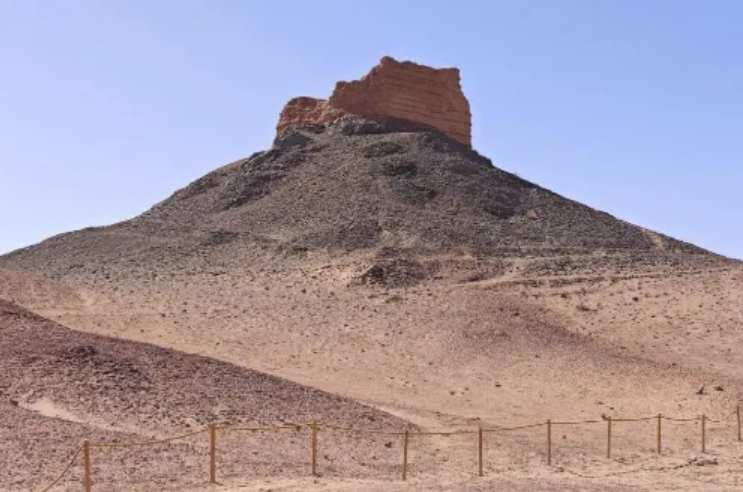
Yangguan Beacon Tower Ruins
The beacon tower ruins are the core historical remain of the scenic area, built with Han Dynasty rammed-earth techniques. They are the most complete surviving relic of Yangguan Pass, located on elevated ground north of the scenic area. This was an important military signaling facility that transmitted border intelligence through smoke and fire signals, bearing witness to frontier defense history since the Han Dynasty and serving as direct physical evidence of Yangguan's military role.
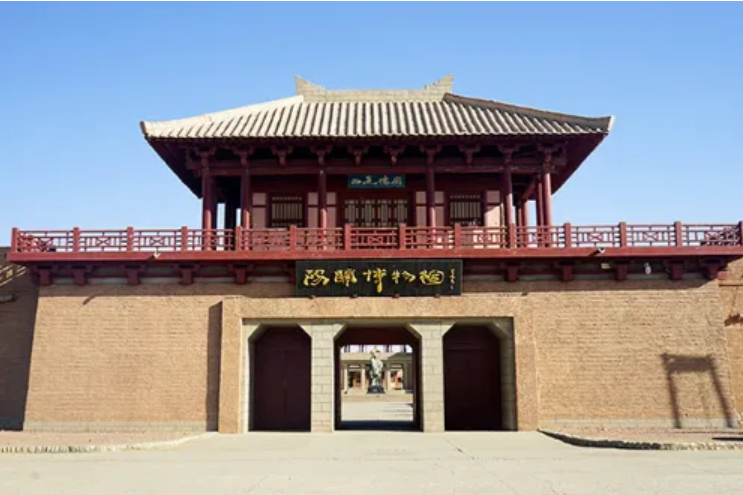
Yangguan Museum
A thematic museum in Han-style architecture, it houses and displays cultural relics, documents, weapons, daily articles, and replicas of travel passes related to Han Dynasty Yangguan and the Silk Road. The exhibits systematically present Yangguan's historical evolution, military system, Silk Road trade, and frontier culture, making it a key venue for understanding Yangguan's history.
Ancient Silk Road Trail Ruins
This is a genuine surviving section of the ancient Silk Road, located in the core area of the scenic zone. It preserves traces of the trail used by caravans and envoys for millennia, surrounded by Gobi and gravel beds that restore the authentic look of the ancient westward route. Visitors can directly experience the desolate and weighty atmosphere of the historic road.
Yangguan Pass Restoration Area
Based on historical records and Han Dynasty pass architectural styles, this area reconstructs the city gate, city walls, the Commandant's Office, barracks, and post stations, recreating the overall layout and frontier pass atmosphere of the Han Dynasty Yangguan, demonstrating both the military functions and daily life of the ancient pass.
Nanhu Wetland
Located around the scenic area, this wetland is an oasis in the Gobi, fed by the Wowachi spring. Its waters and greenery contrast sharply with the surrounding desert, serving as the core natural landscape of Yangguan and the ancient water source that sustained the pass. It has both ecological value and historical significance.
Suggested Tour Route:
Scenic Area Entrance → Yangguan Pass Restoration Area → Yangguan Museum → Ancient Silk Road Trail Ruins → Yangguan Beacon Tower Ruins → Nanhu Wetland → Scenic Area Exit
Visiting Tips:
Recommended visit duration: 2–3 hours, sufficient to cover the core historical ruins and cultural venues.
Prioritize the Yangguan Museum to gain background knowledge about Yangguan and enhance your overall experience.
The beacon tower ruins are a historical site; you can climb to a higher vantage point for panoramic views of the Gobi and the ruins, and take photos.
Combine with Yumen Pass and the Yadan Geopark to create a classic western Dunhuang route.
Experience Hanfu (traditional Han clothing) photography and Silk Road-themed cultural and creative souvenirs to immerse yourself in frontier culture.
Important Notes:
Climbing, carving, or touching the Yangguan beacon tower and other historical ruins is strictly prohibited; protect the cultural relics.
The scenic area is located in a Gobi desert, with intense heat and strong UV rays in summer; take sun protection measures.
Some areas have unpaved Gobi roads; wear comfortable, non-slip footwear.
Do not bring flammable or explosive items into the scenic area; comply with fire prevention regulations.
Follow the guidance of staff and do not enter undeveloped Gobi areas without permission.
Transportation:
Self-driving: From Dunhuang city, take Provincial Highway S314 southwest for about 70 km (approx. 1.5 hours). The scenic area has a parking lot.
Tourist shuttle: Dunhuang city operates direct tourist buses to Yangguan Scenic Area with daily scheduled departures, offering round-trip service.
Chartered car / ride-sharing: You may charter or share a car from Dunhuang, convenient for combining with other western-route attractions.
Public bus: No direct public bus service; self-driving, tourist shuttles, or chartered cars are recommended.
Opening Hours:
Yangguan Scenic Area is open year-round.
Summer (April 1 – October 31): 8:00 – 20:00
Winter (November 1 – March 31): 8:30 – 18:30
Admission stops one hour before closing. Opening hours remain unchanged during holidays.
Ticket Price:
Admission: 50 RMB/person.