Changshou Lake is located in Changshou District, Chongqing, 58 km from downtown Chongqing and 18 km from Changshou’s urban area. It is a national 4A?level scenic area and one of Chongqing’s Top Ten Tourist Resorts. Formed by the dam of the Shizitan Hydropower Station, it is a man?made freshwater lake with a water area of 65.5 km2 (about 10,000 mu), a storage capacity of 1 billion m3, and is the largest artificial lake in Southwest China. The scenic area features 203 islands of various shapes scattered across the lake, offering exceptional natural resources and is renowned for its lake scenery, island views, fresh fish, and fine fruits, as well as its distinctive cultural heritage.
History and Culture
Changshou Lake was one of the 156 key Soviet?assisted projects during China’s First Five?Year Plan period. The construction of the Shizitan Hydropower Station dammed the Longxi River, pioneering the cascade development model in China’s hydropower history. It trained and supplied a large number of construction and management talents for China’s hydropower industry and is honored as the “cradle of New China’s hydropower experts.” In the early 20th century, Marshal Liu Bocheng once recovered from wounds on the shores of Changshou Lake after the Fengdu battle. After the founding of the People’s Republic, leaders including Zhou Enlai, Zhu De, Li Fuchun, and Li Xiannian left their footprints here, giving rise to a “red culture” expressed through water conservancy.
Major Attractions
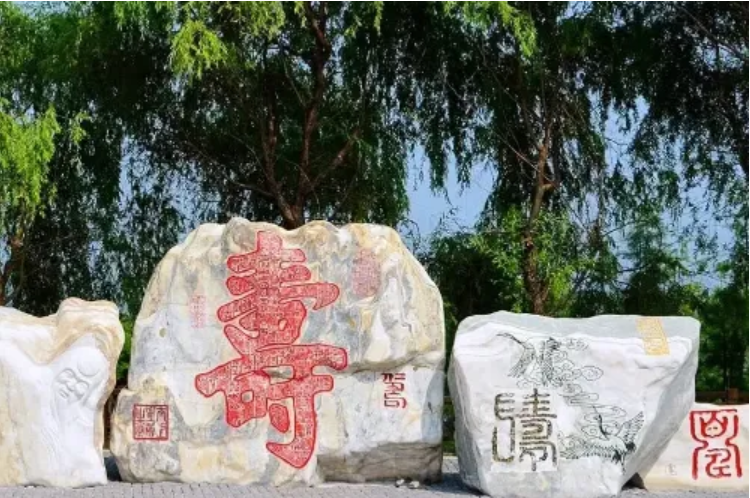
Bai Shou Yuan (Hundred Longevity Garden)
Located at the west?bank entrance of the scenic area, covering 190 mu, it is the only theme park in China dedicated to the “culture of longevity,” integrating calligraphy, carving, stone appreciation, literature, and many other art forms.
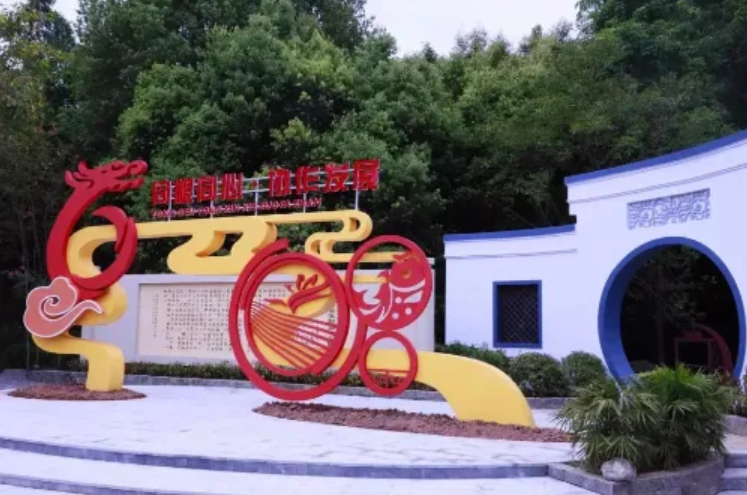
Sister Lake Garden
Built after the first Cross?Strait Sister Lakes Industry Cooperation Annual Meeting was held here on September 14, 2018. It is divided into five zones, respectively embodying the themes of “integration,” “harmony (union),” “return,” “blessing,” and “roots.” Seen from above, it resembles a sprouting shoot, symbolizing the vitality and vigor of the sister lakes and implying that both sides of the Taiwan Strait share the same origin.
Donghai Temple
A site combining Buddhist culture and fishing culture of Changshou Lake. Originally built in the Southern Song Dynasty, it suffered severe damage during the Cultural Revolution, and now only the front hall remains. After restoration, it basically retains its original appearance. One part recreates the life scenes of lakeside families along the Longxi River, while the other part is the restored temple architecture.
Romantic Magpie Bridge
The bridge is 100 meters long and 2 meters wide. Looking up from below, it seems like a colorful ribbon flying across the sky; looking down from the bridge, you see the green waters of Changshou Lake reflecting the long rainbow. Legend has it that couples who walk across it hand in hand will stay deeply in love and never part.
Romantic Flower Field
An open?air flower landscape area centered on “romantic theme and four?season flower views,” covering about 150 mu in total. It is divided into a core flower field zone and a supporting leisure zone. The core zone adopts a planting layout combining terraced fields and patchy plots.
Lovers’ Slope
The preferred spot for couples to express their love. From a distance, there is an unusual and luxuriant “wishing tree.” When viewed from the observation deck below, it is actually two trees whose roots are intertwined, like a couple embracing. It is said that if you throw a colored ribbon and make a wish on the wishing tree, your wish will come true.
Heaven?given Longevity Islet
The core landscape of Changshou Lake, formed by 19 islands of various sizes and 9 lake bays and inlets. It measures about 1,299 meters long, 699 meters wide, and covers about 499 mu, making it the largest natural “Shou” (longevity) character in the world. What is even more amazing is that when you turn the character upside down, it closely resembles the character “Chang” (long), carrying the meaning of “double longevity and double prosperity,” truly a wonder of nature.
Changshou Lake Dam
The dam has a total length of 1,014 meters, a maximum height of 52 meters, and a crest width of 8 meters. It is a concrete gravity dam mainly composed of a retaining dam section, a spillway section, and a power?diversion section. The spillway section is 180 meters long and has 10 flood?discharge gates, each 15 meters wide and 12 meters high, with a maximum discharge capacity of 8,300 m3/s. It serves multiple functions including flood control, power generation, irrigation, and navigation.
Hundred Flowers Island
Located in the central core area of Changshou Lake, close to Love Island, it is an island featuring “four?season flower sea and ecological sightseeing,” with a total area of about 0.3 km2. It is named for its year?round blooming flowers with varying colors in different seasons.
Tour Route:
Visitors can start from Changshou Lake Square, take a boat from the Changshou Lake Tourist Wharf to the islands. First visit the Heaven?given Longevity Islet to experience the wonder of the world’s largest natural “Shou” character; then go to Hundred Flowers Island to enjoy romantic flower views; next to Lovers’ Slope to feel the romantic atmosphere; then to Bai Shou Yuan to learn about longevity culture; after that, take a leisurely walk in the West Bank Park; and finally exit through the main gate. The entire tour takes about 4?6 hours, depending on your pace and interests.
Travel Suggestions:
It is best to visit in spring or autumn when the climate is pleasant, the scenery beautiful, the vegetation lush, and flowers in full bloom.
If you wish to try water recreation activities, check the opening hours and fee schedules in advance to plan your time and budget accordingly.
Bring a camera or smartphone, as the lake views, island landscapes, and other sights are perfect for photography.
If you are interested in the history and culture of Changshou Lake, you may read relevant materials beforehand to better appreciate the cultural sites.
Important Notes:
Follow scenic area regulations; do not damage vegetation or public facilities.
When near the lake or participating in water activities, always follow the staff’s instructions, wear life jackets, and pay attention to safety—especially if you are with children.
If you choose to camp, protect the environment and take all trash with you when leaving.
In summer, take sun protection and mosquito?repellent measures.
Transportation:
Self?driving: From Chongqing, take the G50 Shanghai?Chongqing Expressway via Jiangbei Toll Station, exit at the “Changshou Lake” interchange, and drive to Changshou Lake (Shizitan Town). The entire trip is on expressway and takes about 1.5 hours. From Shanghai or Wanzhou, take the G50 expressway, exit at the “Changshou Lake” interchange around km 1690, and proceed directly to Changshou Lake.
High?speed rail: Go to the North Square of Chongqing North Railway Station, take the Yuwan Intercity high?speed train and get off at Changshou Lake Station (journey time 33 minutes, 10 trains daily, second?class seat ¥33). After exiting, take the tourist shuttle bus to Changshou Lake (about 20 minutes), total travel time about 50 minutes. Note that when buying tickets, the destination must be “Changshou Lake Station,” not “Changshou North Station.”
Long?distance bus: From Chongqing Hongqihegou Bus Station, take the direct bus to Changshou Lake (two departures daily, fare ¥35?38), journey about 2 hours.
Opening Hours:
08:30?17:00; summer hours 08:30?17:30, subject to the latest announcements from the scenic area.
Tickets:
The current ticket price is ¥35. Sightseeing buses, trackless mini?trains, and water recreation facilities are available at additional cost.