Huayan Temple is located in Huayan Village, Huayan Town, Jiulongpo District, Chongqing, and is a national 4A-level tourist attraction. With a long history and grand architectural scale, the temple covers an area of 160,000 square meters. It is renowned for its unique Buddhist culture and beautiful natural scenery. The temple complex features simple and elegant traditional architecture, with numerous halls, monks’ quarters, and other buildings. Nestled against the mountains of the Huayan Scenic Area and surrounded by hills and waters, it offers picturesque views, making it a tourist destination that integrates Buddhist culture, natural landscapes, and cultural heritage.
History and Culture:
The founding date of Huayan Temple is uncertain, but it is generally believed to have been built during the Tang and Song dynasties, with a history of over a thousand years. During the Ming and Qing dynasties, the temple expanded continuously and became an important Buddhist sacred site in eastern Sichuan. Over the centuries, it underwent multiple renovations and expansions. In the Kangxi and Qianlong reigns of the Qing dynasty, Huayan Temple reached a peak of development, with many eminent monks residing and preaching here.
In modern times, while preserving Buddhist traditions, Huayan Temple has actively engaged in cultural exchanges and social welfare activities. During the War of Resistance against Japan, it served as a shelter for many people. After the founding of the People’s Republic of China, the temple received government attention and protection. In recent years, continuous restoration and maintenance have ensured the preservation and development of its Buddhist culture and architectural art.
Major Attractions
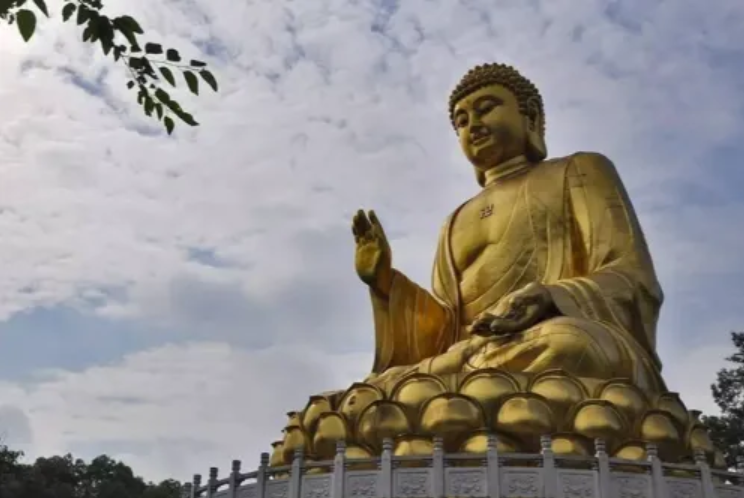
Outdoor Golden Buddha
The Outdoor Golden Buddha is a statue of Shakyamuni, the founder of Buddhism, standing 16 meters tall. Supported by an internal steel frame, the statue’s body is forged from 2-mm-thick copper plates and fully covered with 24K pure gold leaf, using a total of 100 tons of copper. The base is an octagonal pavilion; inside is the Ten-Thousand-Buddha Hall enshrining small golden Buddha figures, while on the exterior walls are six stories from the life of the Buddha, carved from whole blocks of white marble, depicting his birth, enlightenment, teaching, and nirvana. Behind the golden Buddha stand six stone pillars engraved with the entire Diamond Sutra, totaling over 6,000 characters. In front of the Buddha is the Worship Plaza, flanked by lush trees trimmed left higher and right lower, forming a protective formation of the Green Dragon on the left and White Tiger on the right in garden design.
Mahavira Hall
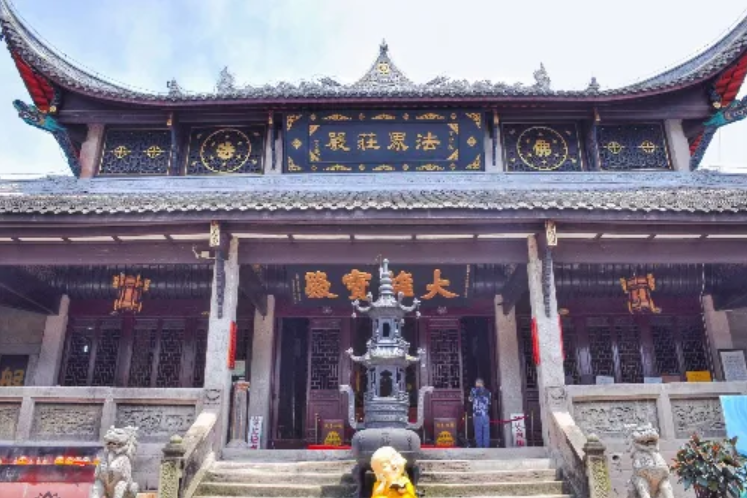
The Mahavira Hall is the central building of the temple, magnificent in scale. It adopts a traditional Chinese architectural style with flying eaves and intricate bracket sets. Inside, solemn Buddhist statues are enshrined, exquisitely shaped and finely crafted. The Mahavira Hall is the venue for major Buddhist ceremonies and attracts many devotees and tourists daily for worship and sightseeing.
Huayan Lake
Located beside the temple, Huayan Lake features clear water and lush green surroundings. The lake is home to various fish and waterbirds, offering pleasant scenery. Visitors can stroll along the lakeshore, enjoy the views, or rest in the pavilions and terraces by the lake. The lake and the temple complement each other, forming a beautiful landscape painting.
Seven-Buddha Pagoda
The Seven-Buddha Pagoda is one of the landmark structures of Huayan Temple, about 26 meters tall. The pagoda is intricately carved and enshrines seven Buddha statues inside. With its antique design, it holds high artistic value. Visitors can climb to the top for a panoramic view of the temple and its surroundings.
Guanyin Courtyard
The Guanyin Courtyard is surrounded by mountains on three sides and shaped like a horseshoe along the water. At the rear of the courtyard, on a high platform, stands a 21.9-meter-tall statue of Pīlú Guanyin (Vairocana Avalokite?vara). Below it, on two levels, are thirty-three manifestations of Guanyin Bodhisattva.
Huayan Cave
Huayan Cave is the origin of the temple’s name. Located on the rocky cliff to the west of the temple, it is a natural limestone cave. The entrance is about 3 meters high and 4 meters wide, with a depth of about 20 meters and an area of approximately 150 square meters. According to historical records, the monk Huayue (or Huayan) practiced here in the early Tang dynasty. The cave preserves dozens of cliff inscriptions dating from the Tang dynasty to later periods, including Buddhist scriptures, Buddha images, and inscriptions by famous figures. Among them, the two characters "Huayan" were inscribed by Master Shengke during the Wanli reign of the Ming dynasty, in vigorous and forceful calligraphy, serving as an important historical and cultural testimony of Huayan Temple.
Reception Hall
The Reception Hall, located in front of the Mahavira Hall, serves as the mountain gate hall of the temple. Originally built in the Qing dynasty, the current structure was restored in the 1990s following the Qing style. It covers about 300 square meters and is about 12 meters high. Inside is enshrined a gilded copper statue of Amitabha Buddha in the welcoming posture, about 4 meters tall, symbolizing "receiving sentient beings to the Pure Land."
Suggested Tour Route:
Upon entering the Huayan Temple Scenic Area, visitors may first visit the Mahavira Hall to learn about Buddhist culture and architectural art. Then proceed to Huayan Lake to enjoy the lake and mountain views, and take a stroll or rest by the water. Next, head to the Seven-Buddha Pagoda and ascend to the top for a bird’s-eye view of the entire area. After that, visit other halls such as the Guanyin Hall and the Arhat Hall. After the tour, you may enjoy Huayan vegetarian cuisine within or around the temple.
Travel Tips:
Dress appropriately when entering Huayan Temple; avoid wearing revealing or casual attire out of respect for Buddhist culture and the religious site.
Keep quiet during your visit; do not make loud noises so as not to disturb other visitors and devotees.
Photography may be prohibited in certain areas; visitors should comply with relevant rules and refrain from taking pictures where not allowed.
When ordering Huayan vegetarian dishes, order according to your needs to avoid waste, in line with the Buddhist spirit of frugality.
If you wish to participate in Buddhist ceremonies, check the schedule and requirements in advance and follow the prescribed procedures.
Important Notices:
As a religious activity site, visitors should respect Buddhist beliefs and customs and refrain from any disrespectful behavior.
Do not smoke, drink alcohol, or consume meat or pungent foods within the temple; maintain cleanliness and tranquility.
Please protect cultural relics, historical sites, and public facilities; do not touch or damage them.
Follow the guidance and arrangements of the staff and abide by the scenic area’s regulations.
If you encounter any problems or need assistance, please consult or ask the staff for help.
Transportation:
Bus: Take bus routes 203, 204, 222, 223, 224, 268, 425, 428, 469, or 843, and get off at Huayan Temple Station.
Metro: Take Chongqing Rail Transit Line 5, get off at Huayan Temple Station, and walk from the corresponding exit to the scenic area.
Driving: Navigate to "Huayan Temple." Parking lots are available around the site, but spaces may be limited during holidays or peak tourist seasons.
Opening Hours:
Huayan Temple is open year-round from 08:00 to 17:00. During special festivals or major Buddhist events, opening hours may be adjusted. Visitors are advised to check the official announcements in advance.
Admission:
Admission to Huayan Temple is free. However, certain activities or venues may charge a fee depending on the situation; please refer to the official notice for details.