The Guilin Duxiu Peak · Jingjiang Princes' City Scenic Area is located in Xiufeng District, Guilin City, Guangxi Zhuang Autonomous Region. It is a national 5A-level tourist attraction, boasting profound historical and cultural heritage as well as unique natural scenery.
Within the scenic area, Duxiu Peak rises abruptly and steeply, majestic in appearance, and is known as the "Southern Sky Pillar". Jingjiang Princes' City was built when Zhu Shouqian, a grandnephew of the Ming Dynasty's Emperor Taizu (Zhu Yuanzhang), was enfeoffed as the Prince of Jingjiang. Construction began in the fifth year of the Hongwu reign (1372) and was largely completed in the ninth year (1376), taking a total of 20 years. The city is 556 meters long from north to south and 355 meters wide from east to west, covering an area of 197,800 square meters. Its outer walls are the best?preserved Ming?era city walls in China. The layout of the city follows the traditional Chinese planning principle of "ancestral temples on the left, altars of land and grain on the right; court in the front, residence in the back." The palatial buildings are splendid and imposing.
Historical Culture:
Jingjiang Princes' City was the seat of the Jingjiang princes, a collateral branch of the Ming imperial family. From the third year of the Hongwu reign (1370), when Zhu Yuanzhang enfeoffed his grandnephew Zhu Shouqian as Prince of Jingjiang, to the seventh year of the Shunzhi reign of the Qing Dynasty (1650), when Kong Youde led Qing troops into Guilin and the Jingjiang principality fell, the city saw 16 princes across 14 generations over 280 years—making it the longest?lasting princely city in Chinese history.
Duxiu Peak is one of Guilin's iconic mountains. It bears numerous cliff inscriptions left by scholars and literati through the ages. The most famous among them is the timeless verse "Guilin's scenery is the finest under heaven," inscribed by Wang Zhenggong, a scholar of the Southern Song Dynasty over 800 years ago, above the Dushu Rock on the southern foot of the peak—this is the very essence of Guilin's tourism culture.
During the Qing Dynasty, the city served as the Guangxi Examination Hall, an important venue for selecting talent through the imperial civil service examinations. It produced 4 top scholars (zhuangyuan), 585 jinshi (metropolitan graduates), and 1,685 juren (provincial graduates), earning it a reputation as a blessed place for scholars. In the Republic of China period, Dr. Sun Yat?sen once stayed here to plan the Northern Expedition.
Major Attractions
Duxiu Peak:
Duxiu Peak is the core attraction, located at the center of the Princes' City. The peak rises 66 meters high with a relative height of over 160 meters. It stands alone, steep and imposing, rising abruptly from the plain. From the summit, visitors can enjoy a panoramic view of the entire Guilin urban area, taking in the unique landscape of "city within scenery, scenery within city." The cliff faces are dotted with over 100 stone inscriptions dating from the Tang Dynasty onward, serving as important witnesses to Guilin's history and culture.

City Walls of Jingjiang Princes' City:
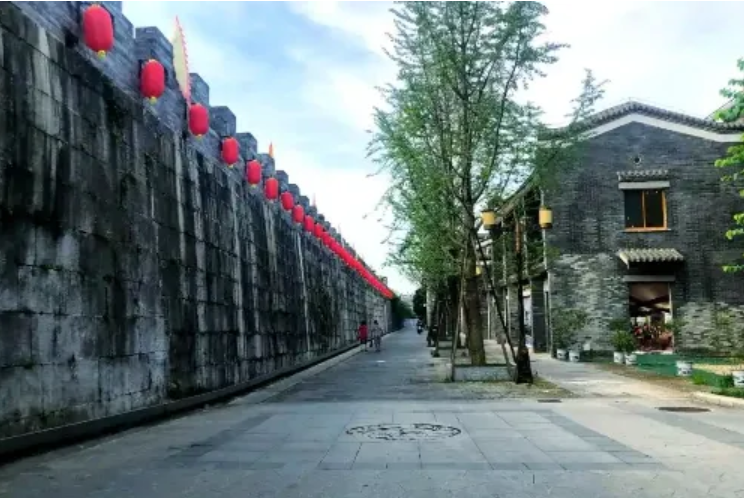
The city walls are among the best?preserved Ming?era walls in China. They are 7.92 meters high, 5.5 meters thick, and about 1.7 kilometers in circumference, built with massive square stones that give them an imposing appearance. The walls feature gates, corner towers, and enemy towers, showcasing Ming architectural styles and military defense systems. Visitors can stroll along the walls to experience the weight of history.
Chengyun Hall:
Chengyun Hall is the main hall of the Jingjiang Prince's mansion, where the prince handled government affairs and held major ceremonies. Built according to the regulations for a Ming princely residence, the hall is grand and majestic, with upturned eaves and richly carved beams and painted rafters. Inside, many cultural relics and historical materials related to the Jingjiang princes are displayed, offering visitors insights into their history and culture.
Examination Hall:
The Examination Hall was the venue for the provincial imperial examinations in Guangxi during the Ming and Qing dynasties. It is an important relic of China's ancient imperial examination system. Well?preserved buildings and facilities related to the exams, such as examination cells and the Dragon Gate, can still be seen. Visitors can experience the examination scene firsthand and appreciate the hardships and glory of ancient scholars.
Crescent Moon Pond:
Located just outside the west gate of the Princes' City, Crescent Moon Pond is named for its crescent?like shape. The water is clear, surrounded by lush greenery and beautiful scenery. Pavilions and terraces by the pond provide a pleasant resting spot and a place to enjoy the view, adding a touch of tranquility and elegance to the entire scenic area.
Suggested Tour Route:
After entering the scenic area, visitors can start from the main gate and follow the central axis to visit Duanli Gate, Chengyun Gate, Chengyun Hall, and other buildings to learn about the history and architecture of Jingjiang Princes' City. Then proceed to Duxiu Peak, climb to the summit to enjoy the panoramic views of Guilin, and admire the cliff inscriptions on the way down. After descending, head to the Examination Hall to experience the imperial examination setting. Next, take a walk along the city walls to feel the vicissitudes of history. Finally, rest by Crescent Moon Pond and enjoy its serene scenery. If time permits, visitors can also explore the museums and other venues within the scenic area to gain deeper knowledge of the history and culture of Jingjiang Princes' City and Guilin.
Travel Tips:
Learn about the scenic area's historical and cultural background in advance by reading relevant books, watching documentaries, or checking the official website, so as to better appreciate the attractions.
Wear comfortable shoes and clothing, as the tour involves walking and climbing Duxiu Peak; comfortable gear will make the experience more enjoyable.
Consider joining a guided tour offered by the scenic area. Guides can provide detailed introductions to the history and cultural connotations of the sites, enhancing your understanding. (Guide services may incur an additional fee; please inquire on site.)
At the Examination Hall, you can participate in imperial examination experience activities, dress up in ancient scholar costumes, and immerse yourself in the exam atmosphere for added fun.
When trying local cuisine, choose reputable restaurants and food stalls to ensure food hygiene and quality. Recommended local specialties include Guilin rice noodles and beer fish.
For the best panoramic photos of Guilin, choose a clear day to climb Duxiu Peak.
Important Notes:
Observe the rules and order of the scenic area. Do not carve, spit, or litter; keep the area clean and tidy.
When climbing Duxiu Peak, pay attention to safety, follow signs and staff guidance, and do not venture into dangerous areas. Be especially careful on rainy days or when paths are slippery.
When visiting indoor venues such as the Examination Hall, protect cultural relics and exhibits; do not touch, damage, or remove any artifacts.
Be aware that there may be commercial activities and promotional pitches within the scenic area. Maintain a rational approach to spending and avoid unnecessary expenses.
If traveling with children or the elderly, take good care of their safety and physical condition to prevent overexertion.
During peak tourist seasons, the area can be crowded. Keep your personal belongings secure to prevent loss or theft.
Transportation:
Bus: Take bus routes 22, 30, or 206 within Guilin city, get off at Jiefang Bridge Stop or Fengbei Road Stop, and walk to the scenic area.
Taxi / Ride?hailing: In downtown Guilin, take a taxi or use a ride?hailing app and enter "Guilin Duxiu Peak · Jingjiang Princes' City Scenic Area" as your destination for a convenient trip.
Self?driving: If driving, there are parking lots around the scenic area. However, parking spaces may be limited during peak seasons; it is advisable to plan your parking in advance.
Opening Hours:
The scenic area is generally open daily from around 8:00 to 17:30. Specific times may be adjusted seasonally or under special circumstances. Ticket sales and entry usually stop 1–2 hours before closing. Visitors should check the opening hours when planning their itinerary. During holidays or peak seasons, the opening hours may be extended; follow the official announcements for the latest updates.
Tickets:
Admission: 100 RMB per person.
You can search for the official WeChat public account "Jingjiang Prince's Mansion" (靖江王府) to get the latest information or purchase tickets online.