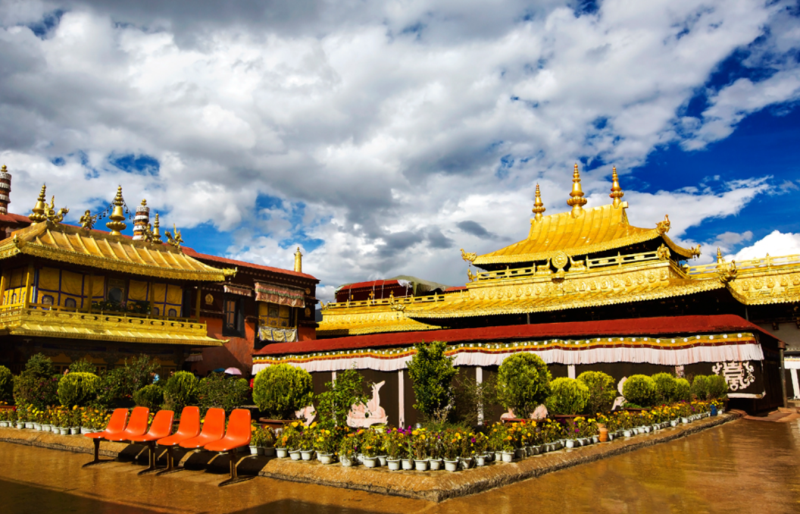
The Lhasa Jokhang Temple Scenic Area is located on Barkhor Street, Chengguan District, Lhasa, Tibet Autonomous Region. It is a national 5A-level tourist attraction and a famous monastery of the Gelug school of Tibetan Buddhism. The Jokhang Temple covers a total area of more than 25,100 square meters, with a building area of 25,000 square meters. The scenic area has distinctive features. The Jokhang Temple integrates the architectural styles of Tibet, Tang China, Nepal, and India, making it a classic model of Tibetan religious architecture. The temple houses a large number of precious cultural relics, such as the Tang-Tubo Alliance Monument and the Stele Advising People to Care for Those with Smallpox, as well as many exquisite murals, Buddha statues, and thangkas, possessing extremely high historical, cultural, and artistic value. The Jokhang Temple holds an extremely lofty position in Tibetan Buddhism and is one of the centers of pilgrimage for Tibetan Buddhist followers.
Historical Culture
The Jokhang Temple was first built in the 7th century during the Tubo Dynasty, by King Songtsen Gampo to commemorate the arrival of Princess Bhrikuti of Nepal in Tibet. At that time, the Jokhang Temple was built to enshrine the 8-year-old life-size statue of Shakyamuni that Princess Bhrikuti brought from her homeland. Later, when Princess Wencheng entered Tibet, she brought the 12-year-old life-size statue of Shakyamuni, which was also enshrined here. Over time, the Jokhang Temple was continuously expanded and renovated, gradually forming its current scale.
In the long course of history, the Jokhang Temple witnessed many important historical events in the Tibet region. The Tang-Tubo Alliance Monument stands in front of the Jokhang Temple. It is an important testimony to the alliance between the Tang Dynasty and Tubo and reflects the friendly relations between the Han and Tibetan peoples at that time. In addition, the Jokhang Temple is closely connected with the political and religious development of Tibet. Major religious activities such as the ordination ceremonies of successive Dalai Lamas and Panchen Lamas were held here, and it played an important role in the inheritance and development of Tibetan Buddhism.
Barkhor Street around the Jokhang Temple, also called Bajiao Street, was built around the Jokhang Temple. It is one of the busiest commercial streets in Lhasa and also an important route for Tibetan Buddhist followers to walk around while chanting sutras. Barkhor Street preserves a large number of traditional Tibetan-style buildings and folk culture, with a rich Tibetan flavor, further enriching the cultural connotation of the Jokhang Temple Scenic Area.
Main Attractions
Main Hall
The main hall of the Jokhang Temple is the core building of the entire temple. The main hall is 4 stories high and magnificent. On the first floor, the 12-year-old life-size statue of Shakyamuni brought by Princess Wencheng is enshrined. This Buddha statue is regarded by Tibetan Buddhist followers as one of the most sacred Buddha statues, and believers travel thousands of miles to worship it. The walls inside the main hall are painted with exquisite murals with rich content, including Buddhist stories, historical figures, and more. The colors are vivid, and the artistic value is extremely high. On the second floor, statues of Songtsen Gampo, Princess Wencheng, and Princess Bhrikuti are enshrined, showing the historical appearance of that time. From the third and fourth floors, visitors can overlook the panoramic view of the Jokhang Temple and the lively scene of Barkhor Street.
Tang-Tubo Alliance Monument
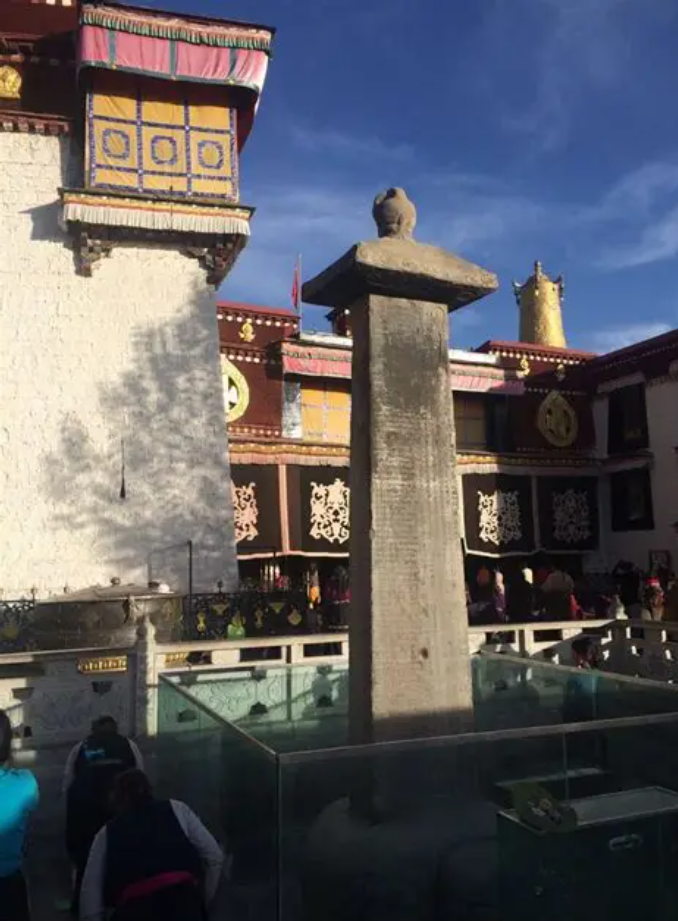
The Tang-Tubo Alliance Monument is located on the square in front of the Jokhang Temple. Its full name is the "Tang-Tubo Alliance Monument," also known as the "Changqing Alliance Monument" and the "Uncle-Nephew Alliance Monument." The body of the stele is inscribed in both Tibetan and Chinese, recording the friendly alliance between the Tang Dynasty and Tubo. This stele is a historical witness to the friendly relations between the Han and Tibetan peoples. It is of great value for studying the political, economic, and cultural exchanges between the Tang Dynasty and Tubo, and it is also an important historical relic attraction in the Jokhang Temple Scenic Area.
Barkhor Street
Barkhor Street was built around the Jokhang Temple. The street is winding and has a total length of about 1,000 meters. On both sides of the street are a dazzling array of shops selling various Tibetan handicrafts, religious supplies, specialty clothing, and more. Barkhor Street is also a necessary route for Tibetan Buddhist followers to walk around while chanting sutras. Every day, a large number of believers hold prayer wheels and walk clockwise along the street, creating a spectacular scene. Here, tourists can feel the strong religious atmosphere and unique Tibetan folk culture, and can also taste various authentic Tibetan foods.
Debate Ground
The debate ground of the Jokhang Temple is a place where monks engage in Buddhist debates. Debate is an important way of learning in Tibetan Buddhist monasteries. Through debate, monks can deepen their understanding of Buddhist teachings. The debate ground is generally open at specific times. At that time, monks wearing monastic robes will engage in heated debates around the topic of debate. Tourists can watch from the side and experience the unique learning atmosphere and cultural charm of Tibetan Buddhism.
Food
Sweet Tea
Sweet tea is a common drink around the Jokhang Temple Scenic Area and one of the traditional drinks loved by Tibetan people. It is made by boiling black tea and then adding milk and sugar. It tastes sweet and delicious, with a rich milky and tea fragrance. In teahouses or restaurants near the Jokhang Temple, tourists can taste authentic sweet tea. A cup of sweet tea with some Tibetan snacks is a cozy local way to relax.
Tibetan Yogurt
Tibetan yogurt is famous for its rich and mellow taste. It is made by fermenting yak milk and has a thick texture and moderate acidity. Tibetan yogurt is usually sprinkled with some white sugar or honey to increase sweetness. At snack stalls or restaurants around the Jokhang Temple, tourists can taste this delicious yogurt. It is not only unique in taste but also rich in nutrients, making it one of the specialty foods loved by tourists.
Tibetan Noodles
Tibetan noodles are a specialty noodle dish of Lhasa. The noodles are thin and chewy and are usually served with beef soup and beef chunks. The beef soup is made by simmering yak beef for a long time and tastes delicious. The way of eating Tibetan noodles is also distinctive. Usually, a small dish of chili oil and vinegar is served, and tourists can add them according to their own taste. In Tibetan restaurants or small street shops near the Jokhang Temple, delicious Tibetan noodles can be tasted.
Fried Lamb Chops
Fried lamb chops are a delicacy in Tibetan cuisine. Fresh lamb chops are selected, marinated, and then fried until golden and crispy. The fried lamb chops are crispy on the outside and tender on the inside, with an inviting aroma and delicious meat. In some restaurants around the Jokhang Temple, tourists can taste this delicious dish. Paired with some highland barley wine, it allows for an even better experience of the unique flavor of Tibetan food.
Tickets:
Tickets are 85 yuan per person.
You can search for the official public account "Jokhang Temple Public Account" in WeChat to get the latest updates or make online reservations and purchase tickets.
Opening Hours:
The Jokhang Temple Scenic Area is open all year round, with opening hours from 09:00 to 18:00. During special festivals or religious activities, the opening hours may be adjusted. Tourists can pay attention in advance to the official website of the Jokhang Temple or related announcements so as to arrange their itinerary reasonably. Generally speaking, the morning is when incense is most abundant at the Jokhang Temple, and many believers come to worship.
Tour Route:
Recommended tour route: Tourists first come to the square in front of the Jokhang Temple and visit the Tang-Tubo Alliance Monument to learn about its historical significance. Then they enter the Jokhang Temple and, according to the visiting route, visit the main hall in sequence, pay homage to the 12-year-old life-size statue of Shakyamuni, and admire the exquisite murals. Next, they can go to the second and third floors to see the statues of Songtsen Gampo, Princess Wencheng, and Princess Bhrikuti, and overlook the panoramic view of the Jokhang Temple. After visiting the interior of the Jokhang Temple, they come to the debate ground. If it is time for debate, they can watch the monks' Buddhist debates. Finally, they walk out of the Jokhang Temple and stroll along Barkhor Street to feel the strong religious atmosphere and Tibetan folk culture. At the same time, they can taste various Tibetan foods and buy specialty souvenirs. The entire tour takes about 2 to 3 hours, and tourists can adjust it appropriately according to their own time and interests.
Transportation:
Public transportation: In Lhasa, you can take buses such as No. 7, No. 8, and No. 20 to reach Jokhang Temple Station. The fare is 1 to 2 yuan. In addition, you can also take a tricycle, generally priced at about 10 to 20 yuan, and the specific price can be negotiated with the driver.
Taxi: Taking a taxi to the Jokhang Temple in downtown Lhasa is relatively convenient. The starting fare for taxis in the city is 10 yuan (including 2 kilometers), and then about 2 yuan per kilometer. The cost from other parts of the city to the Potala Palace is generally 10 to 30 yuan, depending on the mileage.
Walking: If tourists stay in hotels or guesthouses near the Jokhang Temple, they can also choose to walk there. This not only allows them to enjoy the scenery along the way but also better experience the urban atmosphere of Lhasa.
Must-Visit Attractions:
Main Hall: The core building of the Jokhang Temple, 4 stories high, enshrining the 12-year-old life-size statue of Shakyamuni, with exquisite murals on the walls and statues such as Songtsen Gampo on the second floor. Visitors can overlook the panoramic view.
Tang-Tubo Alliance Monument: Located on the square in front of the Jokhang Temple, inscribed in both Tibetan and Chinese. It is a historical witness to the friendly relations between the Han and Tibetan peoples and has important historical value.
Barkhor Street: Built around the Jokhang Temple, about 1,000 meters long. It is both a commercial street and a pilgrimage route, with many shops. Visitors can feel the religious atmosphere and folk culture and taste food.
Travel Suggestions:
As the Jokhang Temple is a religious holy site, tourists entering the temple should dress appropriately and not wear overly revealing or casual clothing. It is best to wear long sleeves and long pants.
When visiting the Jokhang Temple, keep quiet, respect religious beliefs and cultural customs, and do not make loud noises or touch cultural relics and Buddha statues.
The interior of the Jokhang Temple is relatively dark. Tourists are advised to bring a flashlight to better appreciate the murals and Buddha statues.
Barkhor Street is crowded. Tourists should take care of their belongings while shopping to prevent loss or theft.
When tasting local food, pay attention to food hygiene and avoid eating too much cold or raw food to prevent gastrointestinal discomfort.
If you are interested in Tibetan Buddhist culture, it is recommended to learn some relevant knowledge in advance so that you can better understand and appreciate the history and culture of the Jokhang Temple.
Notes:
When entering the Jokhang Temple, it is strictly prohibited to carry flammable and explosive items, controlled knives, and other dangerous goods.
Photography and video recording are prohibited in some areas of the Jokhang Temple. Tourists should abide by this regulation and respect the regulations on cultural relic protection and religious sites. If photography is allowed, do not use flash to avoid damaging cultural relics.
When shopping around the Jokhang Temple, pay attention to the price and quality of goods to avoid being cheated by unscrupulous merchants. You can compare several shops and choose reputable merchants to buy specialties and souvenirs.
The debate ground of the Jokhang Temple has specific opening hours and regulations. When watching the debate, tourists should not disturb the monks at will and should abide by the on-site order.
If you feel unwell or encounter other emergencies during the tour, seek help from scenic area staff in a timely manner or go to a nearby hospital for medical treatment.