The Shigatse Tashilhunpo Monastery Scenic Area is located at No. 1 Jijilangka Road, Samzhubze District, Shigatse City, Tibet Autonomous Region. It is a national 5A-level tourist attraction. Tashilhunpo Monastery means "Auspicious Mount Sumeru Monastery." It covers an area of 150,000 square meters, with a building area of nearly 30,000 square meters. It is one of the six great monasteries of the Gelug school of Tibetan Buddhism and the largest monastery in the Tsang region. The monastery's buildings are magnificent, with golden roofs and red walls arranged in a well-proportioned manner. It houses a large collection of cultural relics such as Buddhist statues, thangkas, and Buddhist scriptures. Its unique Tibetan architectural style and profound religious and cultural heritage attract numerous pilgrims and tourists to worship and sightsee.
Historical Culture
Tashilhunpo Monastery was founded in 1447 by Gendun Drup (the First Dalai Lama), a disciple of Tsongkhapa, the founder of the Gelug school. Thereafter, successive Panchen Lamas continuously expanded and renovated the monastery, gradually enlarging its scale and making it an important religious and cultural center of the Gelug school in the Tsang region.
In the long course of history, Tashilhunpo Monastery witnessed many important historical events and religious transmissions in the Tibet region. It is not only the seat of the Panchen Lamas, but also an important place for monks in the Tsang region to study scriptures and practice. The many Buddhist statues, murals, and cultural relics in the monastery possess extremely high historical, artistic, and religious value and are important materials for studying Tibetan Buddhism and the history and culture of Tibet.
The religious rituals and Dharma assemblies at Tashilhunpo Monastery are rich and varied, such as the annual Thangka Unveiling Festival, attracting believers and tourists from various places. These activities not only inherit and promote Tibetan Buddhist culture, but also provide a window for people to understand Tibetan religious customs.
Main Attractions
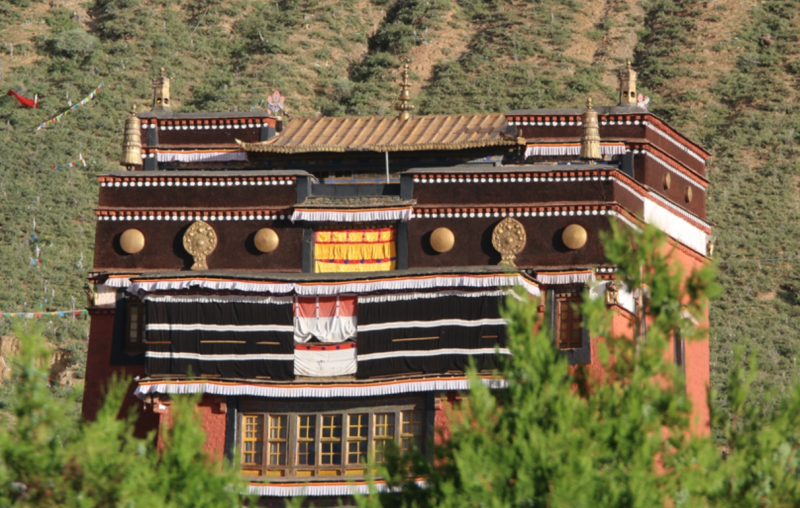
Tsuklakhang Assembly Hall
The Tsuklakhang Assembly Hall is the main hall of Tashilhunpo Monastery and the largest Buddhist hall in the monastery. The hall is four stories high, with an area of nearly 2,000 square meters, and can accommodate more than 2,000 people chanting scriptures. The hall enshrines a statue of Shakyamuni Buddha and statues of many eminent monks. Among them, the statue of Shakyamuni Buddha is nearly 3 meters high, beautifully shaped, and exquisitely crafted. The walls of the hall are painted with fine murals in bright colors and rich content, depicting Buddhist stories and historical figures.
Maitreya Buddha Hall
The Maitreya Buddha Hall enshrines the world's largest indoor copper gilded Maitreya Buddha statue, that is, the Future Buddha. The statue is 26.2 meters high, the lotus seat is 3.8 meters high, and the total height is 30 meters. The statue is solemn in appearance and kind in expression, with fine craftsmanship; even the nostrils of the Buddha statue can accommodate one person. The hall is gorgeously decorated, and the surrounding walls are painted with numerous Buddha images and Buddhist story murals. It is one of the landmark buildings of Tashilhunpo Monastery.
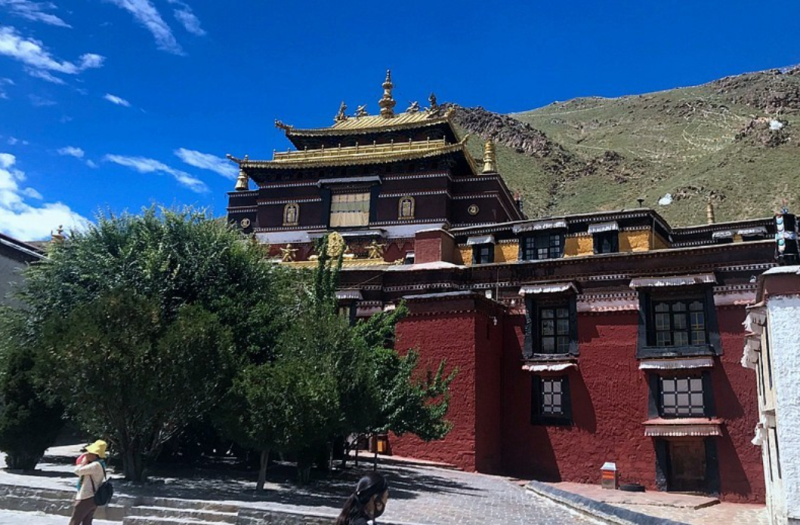
Panchen Stupa Hall
The Panchen Stupa Hall was built to commemorate the successive Panchen Lamas, among which the Stupa Hall of the Tenth Panchen Lama is the most magnificent. The stupa is wrapped in gold leaf and inlaid with various precious gems and jewels. Inside the stupa are preserved the remains of the Panchen Lama and numerous religious cultural relics. The Stupa Hall has a unique architectural style and a splendid golden roof, reflecting the reverence and respect of Tibetan Buddhism for the Panchen Lamas.
Thangka Unveiling Platform
The Thangka Unveiling Platform is located on the Thangka Unveiling Platform Square of Tashilhunpo Monastery. During the annual Thangka Unveiling Festival, the monastery's huge thangka Buddha image is displayed here. The thangka Buddha image is bright in color and the scene is spectacular. The Thangka Unveiling Festival attracts many believers and tourists to come and pay homage, and is one of the important religious activities of Tashilhunpo Monastery. The Thangka Unveiling Platform has also become an important place for tourists to learn about Tibetan Buddhist culture and observe large-scale religious ceremonies.
Food
Tibetan Steamed Buns
Tibetan steamed buns are one of the specialty foods of Shigatse and are also very common around the Tashilhunpo Monastery Scenic Area. Their filling is mostly based on yak meat, mixed with an appropriate amount of scallions, spices, and so on. The buns have thin skins and large fillings and taste delicious. When eating, they can be paired with some Tibetan chili sauce for a distinctive flavor. Tibetan steamed buns generally cost 2-3 yuan each and can be tasted in Tibetan restaurants or snack stalls near the scenic area.
Butter and Milk Dregs Buns
Butter and milk dregs buns are also a local specialty food. Milk dregs are the residue left after extracting butter from milk. After processing, they are mixed with butter and other ingredients to make the filling. This kind of bun has a unique taste, with both the sour-sweetness of milk dregs and the rich fragrance of butter. Each butter and milk dregs bun costs about 3-4 yuan, and tourists can try it in specialty restaurants around the scenic area.
Sweet Tea
Sweet tea is a traditional drink loved by Tibetan people and can be seen everywhere in teahouses around Tashilhunpo Monastery. It is made by boiling black tea, milk, and sugar. It tastes sweet and delicious, with a rich milky fragrance and tea fragrance. A cup of sweet tea costs about 5-10 yuan. Tourists can sit in a teahouse, sip sweet tea, and feel the local atmosphere of life.
Highland Barley Wine
Highland barley wine is a specialty alcoholic drink of Tibet, brewed mainly from highland barley. Its alcohol content is generally around 10-20 degrees. It tastes slightly sweet and has a light fragrance of highland barley. In some restaurants or specialty stores around Tashilhunpo Monastery, tourists can taste highland barley wine. A small cup costs between 10 and 20 yuan. Drinking highland barley wine in moderation is also a way to experience local culture.
Tickets:
Peak season ticket: 100 yuan/person; off-season ticket: 55 yuan/person. As of July 26, 2025, no official WeChat public account has been found.
Opening Hours:
The Tashilhunpo Monastery Scenic Area is open all year round, with opening hours from 09:00 to 17:00 (ticket sales stop at 16:00). During special festivals or religious activities, the opening hours may be adjusted. Tourists may pay attention in advance to the scenic area's official website or related announcements so as to arrange their itinerary reasonably.
Recommended Tour Route:
Recommended tour route: Visitors first enter from the scenic area entrance and go to the Tsuklakhang Assembly Hall to admire the magnificent architecture of the main hall and the exquisite Buddhist statues and murals. Then go to the Maitreya Buddha Hall to pay homage to the world's largest indoor copper gilded Maitreya Buddha statue. After that, visit the Panchen Stupa Hall to learn about the history and culture of the successive Panchen Lamas. Then go to the Thangka Unveiling Platform. If it happens to be during the Thangka Unveiling Festival, you can enjoy the spectacular Thangka unveiling ceremony. Finally, visitors can stroll along the monastery's pilgrimage path, feel the religious atmosphere, and also buy some specialty souvenirs at the surrounding souvenir shops. The entire tour takes about 3-4 hours. Visitors can appropriately adjust the route and停留时间 according to their own time and interests.
Transportation:
Public transportation: Within Shigatse city, you can take buses such as Route 1 and Route 2 to Tashilhunpo Monastery Station. The fare is 1-2 yuan.
Taxi: Taking a taxi to Tashilhunpo Monastery within Shigatse city is relatively convenient. The starting fare for taxis in the city is 10 yuan (including 2 kilometers), and thereafter about 2 yuan per kilometer. The cost from other parts of the city to Tashilhunpo Monastery is generally 10-20 yuan, depending on the distance traveled.
Walking: If tourists stay in hotels or inns near Tashilhunpo Monastery, they can also choose to walk there. This allows them to enjoy the scenery along the way and better feel the urban atmosphere of Shigatse.
Must-Visit Attractions:
Tsuklakhang Assembly Hall: The main hall of Tashilhunpo Monastery, four stories high, with an area of nearly 2,000 square meters. It can accommodate more than 2,000 people chanting scriptures and enshrines a statue of Shakyamuni Buddha, among others. The walls have exquisite murals.
Maitreya Buddha Hall: It contains the world's largest indoor copper gilded Maitreya Buddha statue, 30 meters high. The Buddha statue is solemn and kind, and the hall is gorgeously decorated with rich murals.
Panchen Stupa Hall: Built to commemorate the successive Panchen Lamas. The Stupa Hall of the Tenth Panchen Lama is the most magnificent. The stupa is wrapped in gold leaf, inlaid with gems, and preserves numerous cultural relics.
Thangka Unveiling Platform: Located on the Thangka Unveiling Platform Square. During the Thangka Unveiling Festival, a huge thangka Buddha image is displayed, and the scene is spectacular. It is an important place for learning about Tibetan Buddhist culture and observing religious ceremonies.
Travel Suggestions:
Because Tashilhunpo Monastery is located in a high-altitude area, tourists should prepare to prevent altitude sickness before traveling, such as taking anti-altitude sickness medication in advance and avoiding strenuous exercise.
When entering the monastery to visit, dress appropriately. Do not wear overly revealing or casual clothing. It is best to wear long sleeves and long pants.
When visiting inside the monastery, keep quiet and respect religious beliefs and cultural customs. Do not make loud noises, touch cultural relics or Buddha statues, and so on.
The interior of Tashilhunpo Monastery is relatively dim, and photography is prohibited in some areas. Tourists must comply with the relevant regulations. If photography is permitted, do not use a flash so as not to damage cultural relics.
When tasting local food, pay attention to food hygiene and avoid eating too much raw or cold food to prevent gastrointestinal discomfort.
If you are interested in Tibetan Buddhist culture, it is recommended to learn some relevant knowledge in advance so that you can better understand and appreciate the history and culture of Tashilhunpo Monastery.
Notes:
When entering Tashilhunpo Monastery, it is strictly prohibited to carry flammable and explosive items, controlled knives, and other dangerous goods.
Inside the monastery, respect the monks and do not disturb their practice and work at will.
Do not smoke or litter inside the monastery. Keep the monastery clean and hygienic.
When purchasing souvenirs, pay attention to the price and quality of the goods and avoid being defrauded by unscrupulous merchants. You can compare several shops and choose reputable merchants to buy from.
If you feel unwell or encounter other emergencies during the tour, promptly seek help from scenic area staff or go to a nearby hospital for medical treatment.