The Tianjin Ancient Culture Street Tourist Area is located in the northeastern part of Nankai District, Tianjin, by the banks of the South Canal, a tributary of the Haihe River. It is a national 5A-level tourist attraction and a famous historical and cultural street as well as a folk tourism destination in Tianjin. With the characteristics of "Chinese flavor, Tianjin flavor, ancient flavor, and cultural flavor," the scenic area concentrates the folk culture, traditional architecture, and commercial style of Tianjin and even northern China. The buildings in the district are mainly in the imitation Ming and Qing style, mostly brick-and-wood structures with gray bricks and tiles, flying eaves, and dougong brackets, presenting a typical northern ancient city appearance. The scenic area covers a total area of about 220,000 square meters, with a building area of 100,000 square meters and a total length of 580 meters. It consists of a group of antique-style buildings, with nearly a hundred shops distributed along the street, covering traditional handicrafts, folk articles, specialty foods, and many other categories. It is the core area for experiencing Tianjin's traditional culture.
Historical Culture
The area where Tianjin Ancient Culture Street is located has a long history. As early as the Ming and Qing dynasties, it was a gathering place for commerce and folk culture in Tianjin. At that time, because it was close to the South Canal and had convenient water transportation, it became an important hub for the exchange of goods between north and south, gradually forming a bustling commercial street market. Various shops and workshops stood in great numbers, and folk art and traditional skills flourished here.
Today's Ancient Culture Street was rebuilt in 1985 on the basis of the original historical district, retaining the historical street and lane layout and architectural style, and continuing the core cultural landmark of the "Tianhou Palace." The Tianhou Palace was first built during the Zhiyuan period of the Yuan Dynasty (1271-1294). It is one of the oldest surviving buildings in Tianjin and a famous Mazu temple in northern China, bearing witness to Tianjin's development as an important grain transport town. With the Tianhou Palace as its center, the Ancient Culture Street integrates Tianjin's grain transport culture, folk culture, and religious culture into one, becoming an important window for inheriting and displaying Tianjin's historical culture.
Main Attractions
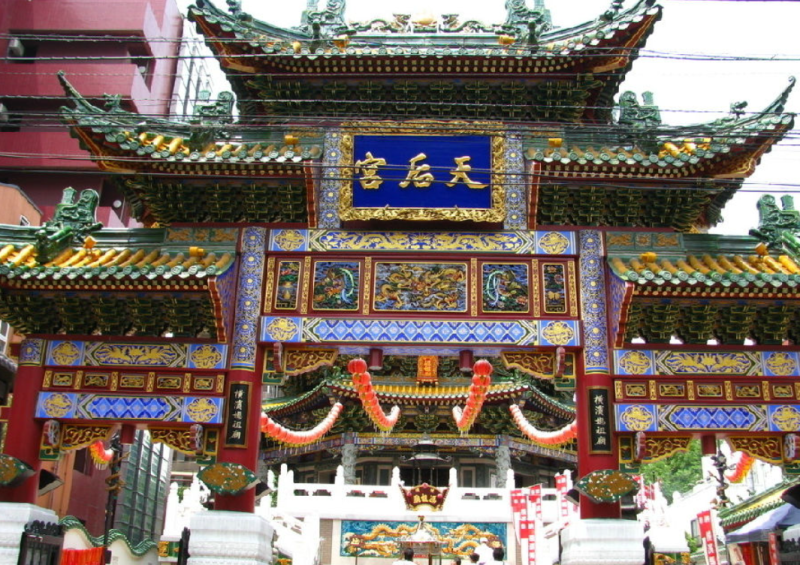
Tianhou Palace
The Tianhou Palace is the core attraction of Tianjin Ancient Culture Street. It was first built during the Zhiyuan period of the Yuan Dynasty and has a history of more than 700 years. It covers an area of about 5,000 square meters, with a building area of about 1,700 square meters. The temple faces east and is composed of buildings such as the mountain gate, memorial archway, front hall, main hall, and scripture storage pavilion. The layout is rigorous and the atmosphere is solemn. The main hall enshrines the statue of Mazu, with statues of Thousand-Mile Eye, Wind-Accompanying Ear, and other deities on both sides. Historically, the Tianhou Palace was an important place for grain transport ships and merchants to pray for blessings. Today, it is still the main site for folk Mazu worship in Tianjin. Every year on the 23rd day of the third lunar month, the birthday of Mazu, a grand temple fair is held here, attracting many tourists and citizens to participate.
Former Residence of Yan Fu
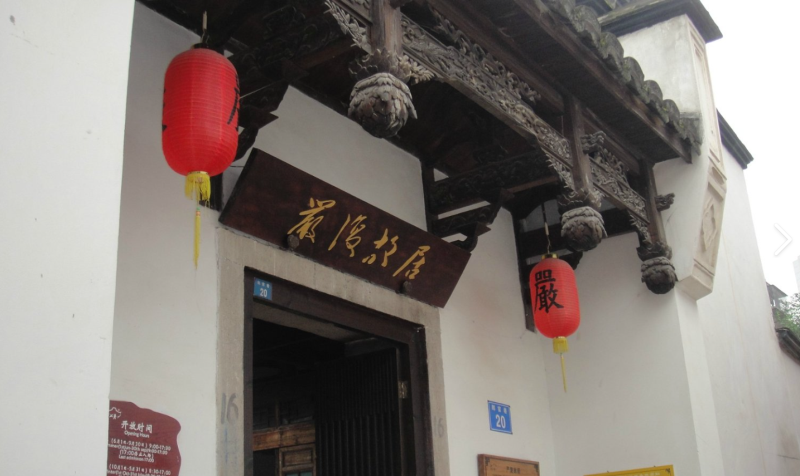
The Former Residence of Yan Fu is located on Gongbei Street near the Ancient Culture Street. It was the residence in Tianjin of Yan Fu, a famous modern thinker and translator. The former residence is a typical Qing Dynasty residential building, covering an area of about 400 square meters. It consists of the main house, side rooms, and reverse-facing rooms, with gray bricks and tiles, simple and elegant. The interior displays cultural relics such as Yan Fu's life deeds and manuscript translations, showing his important contributions to modern China's ideological enlightenment and the translation of Western works. Yan Fu lived here for many years, engaging in translation and academic research. The former residence has therefore become important physical material for studying modern Tianjin culture and intellectual development.
Tianyan Square
Tianyan Square is located at the entrance of the Ancient Culture Street. It is named after Yan Fu's famous translation "On Evolution" (Tianyan Lun), and the square covers an area of about 1,000 square meters. In the center of the square stands a statue of Yan Fu, about 3 meters high, showing Yan Fu in a contemplative pose. Around the square are reliefs embodying the ideas of "On Evolution," covering concepts such as "natural selection, survival of the fittest." This is the first stop for tourists entering the Ancient Culture Street. It not only highlights Tianjin's cultural heritage but also provides a place for tourists to rest and take photos.
Folk Museum
The Folk Museum is located within the Ancient Culture Street and was converted from the auxiliary buildings of the Tianhou Palace. It covers an area of about 1,000 square meters. The museum collects and displays a large number of folk cultural relics from the Tianjin area, including traditional clothing, festival supplies, folk musical instruments, handicrafts, and more, totaling more than 3,000 items. Through physical objects, pictures, scene restoration, and other methods, it vividly presents Tianjin's folk customs, weddings and funerals, seasonal festivals, and other folk culture. It is an important place for understanding Tianjin's folk customs.
Food
Shibajie Fried Dough Twists (Ancient Culture Street Store)
Shibajie Fried Dough Twists are one of Tianjin's "Three Unique" foods, and this shop on the Ancient Culture Street is an authentic branch. Shibajie Fried Dough Twists are famous for their careful selection of ingredients and unique craftsmanship. They are made from high-quality flour, sesame, rock sugar, walnut kernels, and other raw materials, and are made through multiple processes such as fermentation, twisting, and frying. The finished product is crisp, sweet, and fragrant, and remains soft for a long time. The fried dough twists have a unique shape, with varieties such as ordinary fried dough twists and "assorted fried dough twists." Among them, the assorted fried dough twists contain a variety of fillings, giving them a rich taste. The shop also displays the production process of the fried dough twists, allowing tourists to learn about the craftsmanship of this traditional food.
Clay Figure Zhang Painted Sculpture (Experience Store)
Clay Figure Zhang Painted Sculpture is a famous folk art in Tianjin with a history of more than 180 years. The Clay Figure Zhang experience store in the Ancient Culture Street is an important place for displaying and selling this artistic treasure. Clay Figure Zhang Painted Sculpture is famous for its delicate shaping techniques, bright colors, and vivid images. The subjects are mostly folk stories, historical figures, and folk scenes. The store displays painted sculpture works of various sizes, from small ornaments of a few centimeters to large group statues of several meters, all exquisitely crafted. Tourists can also experience the process of making painted sculptures here and, under the guidance of artisans, personally make simple clay figures, feeling the charm of folk art.
Erduoyan Fried Cake (Ancient Culture Street Branch)
Erduoyan Fried Cake has a branch on the Ancient Culture Street and is also one of Tianjin's "Three Unique" foods. Its fried cakes use glutinous rice flour as the skin and red bean paste as the filling, and are fried using traditional techniques. The outer skin is golden and crisp, while the inside is soft, glutinous, and sweet, oily but not greasy. The making of Erduoyan Fried Cake emphasizes "made and sold on the spot" to ensure a fresh taste, attracting a large number of tourists to line up and buy every day. In addition to the traditional red bean paste filling, there are now new flavors such as hawthorn and purple sweet potato to meet the needs of different tourists.
Tickets:
Free and open. However, some internal attractions require separate tickets. Among them, the Tianhou Palace ticket is 10 yuan per person, and the Folk Museum ticket is 8 yuan per person.
You can search for the official public account "Tianjin Ancient Culture Street Jinmen Guli" on WeChat to obtain the latest updates.
You can search for the official public account "Tianjin Folk Museum Tianjin Tianhou Palace" on WeChat to make reservations and purchase tickets.
Opening Hours:
The street area is open 24 hours a day, but the business hours of shops along the street are mostly 9:00-21:00. The opening hours of internal paid attractions are different. The Tianhou Palace is open from 9:00-17:00 (last entry at 16:30); the Folk Museum is open from 9:00-16:30 (last entry at 16:00) and is closed every Monday (except statutory holidays). Tourists are advised to arrange their time reasonably so as to fully visit all attractions.
Suggested Tour Route:
A classic tour route is recommended: enter from the main entrance of the Ancient Culture Street, first come to Tianyan Square and visit the statue of Yan Fu and the reliefs (about 20 minutes); then walk along the main street, enjoy the antique buildings and shops on both sides, and buy some traditional handicrafts along the way (about 30 minutes); afterward go to the Tianhou Palace to visit the temple buildings and Mazu culture (about 1 hour); after coming out of the Tianhou Palace, go to the Folk Museum to learn about Tianjin folk customs (about 40 minutes); then go to the Former Residence of Yan Fu to experience modern intellectual culture (about 30 minutes); finally taste Tianjin specialty foods at shops such as Shibajie Fried Dough Twists and Erduoyan Fried Cake (about 1 hour). The entire tour takes about 3.5-4 hours, and the time spent at each stage can be adjusted according to personal interests.
Transportation:
Subway: Take Tianjin Metro Line 2 to Dongnanjiao Station, get out from Exit B, and walk about 500 meters to reach the entrance of the Ancient Culture Street; or take Metro Line 1 to Xibeijiao Station and walk about 1 kilometer to arrive.
Bus: Multiple bus lines can reach directly, such as Route 1, Route 24, Route 37, Route 15, Route 611, Route 612, etc. Get off at Dongbeijiao Station or Ancient Culture Street Station and walk about 200-300 meters to arrive.
Taxi: Departing from Tianjin Station by taxi takes about 15 minutes, with a fare of about 15 yuan; departing from Tianjin West Station takes about 20 minutes, with a fare of about 20 yuan.
Self-driving: There are parking lots around the Ancient Culture Street, such as the Ancient Culture Street Parking Lot. The charging standard is 8 yuan per hour, and it may increase slightly on holidays, making it convenient for self-driving tourists to park.
Must-Visit Attractions:
Tianhou Palace: One of the oldest buildings in Tianjin, with more than 700 years of history. It is an important Mazu temple in northern China, covering an area of about 5,000 square meters. Visitors can gain an in-depth understanding of grain transport culture and religious culture.
Folk Museum: Displays more than 3,000 pieces of Tianjin folk cultural relics. Through rich exhibits and scene restoration, it comprehensively presents Tianjin folk customs. It covers an area of about 1,000 square meters.
Tianyan Square: A landmark at the entrance of the Ancient Culture Street. The statue of Yan Fu and the reliefs themed on "On Evolution" show Tianjin's cultural heritage. The square covers an area of about 1,000 square meters and is a good place for photos.
Tour Suggestions:
It is recommended to spend half a day visiting, choosing 9:00-11:00 in the morning or 14:00-16:00 in the afternoon to avoid peak crowds during holidays and have a better experience.
Learn in advance about Tianjin's folk cultural background, such as Mazu culture and grain transport history, to make the tour more rewarding.
When buying handicrafts, you can choose items with Tianjin characteristics such as Clay Figure Zhang Painted Sculpture and Yangliuqing New Year pictures. Pay attention to distinguishing authenticity and choose regular shops for purchases.
When tasting food, you can buy a variety of specialty foods in appropriate amounts, but pay attention to storage methods, as some fried foods are not suitable for long storage.
If you happen to be there during the Tianhou Palace temple fair on the 23rd day of the third lunar month, you can participate in it, experience folk performances, traditional sacrificial activities, and other events, and feel the strong festive atmosphere.
Precautions:
Most buildings in the scenic area are antique-style buildings, and some areas have smooth floors. Tourists need to be careful about slipping when visiting on rainy days.
Respect religious beliefs. When entering religious places such as the Tianhou Palace, relevant regulations must be observed. Do not make noise or touch statues and cultural relics at will.
Keep personal belongings safe. There are many tourists in the scenic area, especially in areas with dense shops and during temple fairs. Be careful to prevent theft.
Protect the scenic area environment. Do not spit, litter, or damage buildings and exhibits.
When purchasing goods, pay attention to price tags and consume rationally. If returns or exchanges are needed, keep shopping receipts.