Panshan Scenic Area is located in the northwest of Jizhou District, Tianjin. It is a national 5A-level tourist attraction, known as the "First Mountain East of Beijing," and is also a famous mountain-type scenic area in Tianjin. The scenic area features the "Five Peaks and Eight Stones" and the "Three Plates of Scenic Beauty" as its core characteristics, integrating natural landscapes, religious culture, and imperial gardens, with landscape features that combine grandeur, wonder, elegance, and seclusion. The scenic area is rich in natural landscapes, including peaks, bizarre rocks, clear springs, and pine waves, while its cultural landscapes include ancient temples, inscriptions from successive dynasties, and poems and calligraphy by notable figures. Panshan covers a total area of about 106 square kilometers, with the main peak, Guayue Peak, at an elevation of 864.4 meters. The scenic area currently preserves more than 30 ancient architectural relics and over 200 cliff inscriptions. It has a long history and unique landscapes and is an important tourism and summer resort destination in the Beijing-Tianjin-Hebei region.
Historical Culture
The historical culture of Panshan can be traced back to the Eastern Han Dynasty, when monks were already practicing here and built early temples. By the Tang Dynasty, Buddhism in Panshan flourished, with temples standing in great numbers, making it an important Buddhist holy site in the north. Among them, Tiancheng Temple and Wansong Temple were the most famous. During the Liao and Jin periods, the religious culture of Panshan continued to develop. Several emperors visited here and left behind many relics.
The Ming and Qing dynasties were the peak period of Panshan's historical culture. In the Ming Dynasty, famous generals such as Qi Jiguang once stationed troops and set up defenses here, leaving military relics. In the Qing Dynasty, Emperors Kangxi and Qianlong were especially fond of Panshan. Emperor Qianlong visited Panshan 32 times, left behind more than 1,700 poems, and built 72 temples and numerous imperial garden structures in the mountains, making Panshan an important place for imperial summer retreats and Buddhist worship. This period of history left Panshan with a rich cultural heritage, including imperial inscriptions and temple ruins, giving Panshan profound cultural deposits.
Main Attractions
Guayue Peak
Guayue Peak is the main peak of Panshan, with an elevation of 864.4 meters. It is named because there is a Dingguang Buddha Relic Pagoda built in the Tang Dynasty at the summit, and at night, when moonlight shines on the pagoda, it seems as if a bright moon is hanging from the tip of the pagoda. From the top, visitors can overlook the panoramic view of Panshan and the surrounding plains, with a broad field of vision. On the peak, there are inscriptions such as "All other mountains look small," and it is a must-visit viewpoint for tourists. From the foot of the mountain to Guayue Peak, visitors can climb on foot or take cable cars on some sections. The entire climb takes about 3-4 hours.
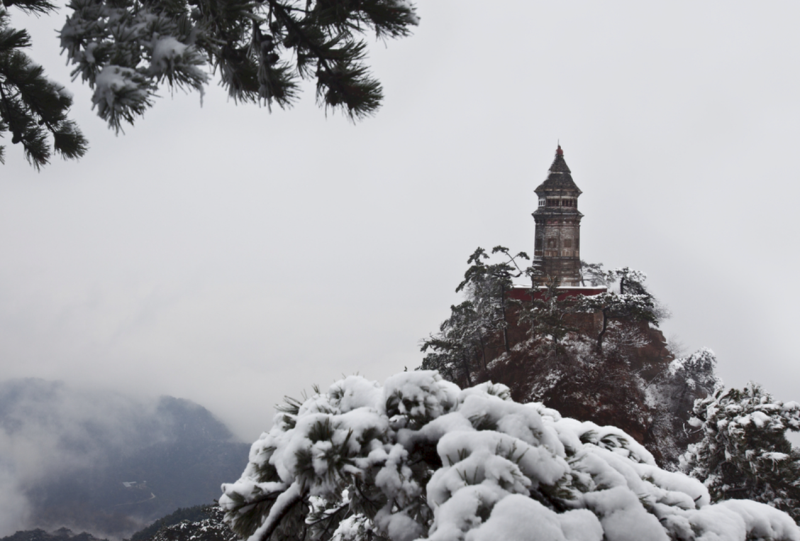
Tiancheng Temple
Tiancheng Temple was first built in the Tang Dynasty and has been rebuilt many times throughout history. The existing buildings are in the Ming and Qing style, covering an area of about 2,000 square meters, and consist of the mountain gate, main hall, side halls, and the Ancient Buddha Relic Pagoda. The temple is built against the mountain, with a clever layout that blends harmoniously with the natural landscape. The Ancient Buddha Relic Pagoda in the temple is a Liao Dynasty structure, 22.63 meters high, with exquisite carvings on the pagoda body. It is one of the landmark buildings of Panshan. Around Tiancheng Temple, ancient trees tower to the sky and clear springs murmur, creating a quiet and secluded environment. Literati and poets of past dynasties wrote many inscriptions here.
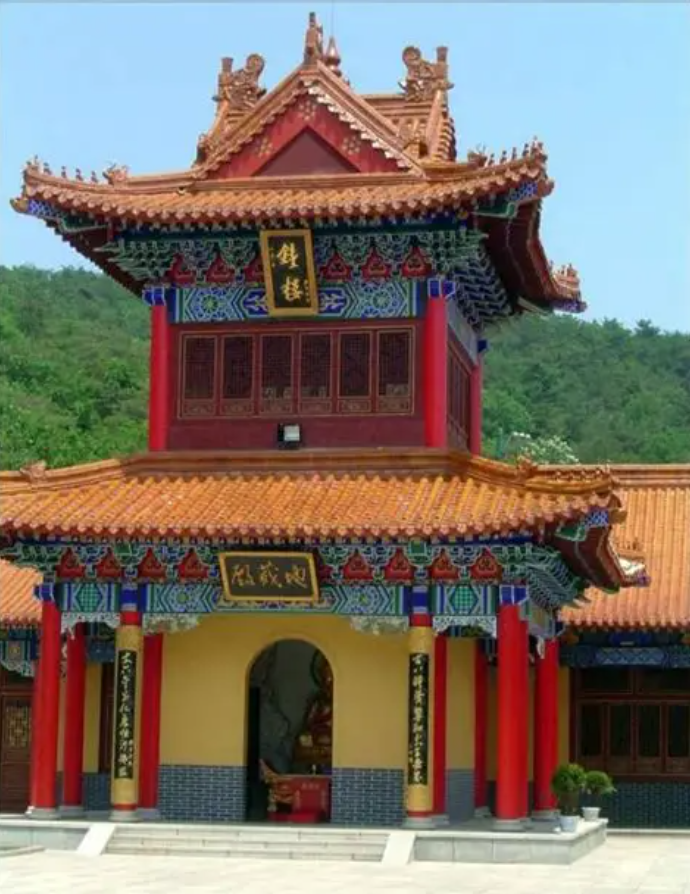
Wansong Temple
Wansong Temple is the largest temple in Panshan. Originally named Li Jing An, it was first built in the Tang Dynasty and got its name because there were tens of thousands of pine trees around the temple. The temple covers an area of about 3,000 square meters. The existing buildings include the mountain gate, the Great Buddha's Hall, and the Sutra Library. Historically, Wansong Temple was an important place for imperial Buddhist worship. Emperor Qianlong once stayed here and inscribed the plaque "Wansong Temple." The temple preserves a large number of inscriptions and cultural relics from the Ming and Qing dynasties. Outside the temple, there are relics such as the "Sword Dancing Platform," said to be the place where the Tang Dynasty general Li Jing practiced swordsmanship.
Three Plates of Evening Rain
"Three Plates of Evening Rain" is one of the signature landscapes of Panshan. It refers to the hazy beauty formed in the upper, middle, and lower plates of Panshan in the evening due to diffused water vapor. The upper plate is famous for its pines, with green pines and cypresses in myriad postures. The middle plate is known for its rocks, with jagged and strangely shaped stones. The lower plate excels in water, with clear springs and flowing waterfalls murmuring melodiously. Every evening, clouds and mist curl around, raindrops seem to fall but do not, and the entire mountain forest is shrouded in a hazy veil, hence the name "Evening Rain." Visitors can enjoy this landscape from viewing platforms. The scenery is especially charming after rain or in the early morning.
Yunzhao Temple
Yunzhao Temple is located halfway up Guayue Peak. It was first built in the Tang Dynasty and is named because it is shrouded in clouds and mist all year round. It covers an area of about 1,000 square meters. The temple consists of the main hall, side halls, and guest rooms, with a simple and elegant architectural style. The temple enshrines statues such as Guanyin Bodhisattva and is an important Buddhist activity site in Panshan. From Yunzhao Temple to Guayue Peak, visitors must climb a steep section of stone steps. Along the way are sights such as "Breathing Rock" and "Immortal Bridge," making it highly challenging.
Food
Panshan Millstone Persimmon
Panshan Millstone Persimmon is a famous local specialty. It is named because the fruit resembles a millstone and has a planting history of several hundred years. This persimmon is large with thin skin, delicate flesh, and high sugar content. It has a sweet and juicy taste and ripens from October to November each year. It can be purchased in the Panshan Scenic Area and surrounding villages and towns. Tourists can also pick it themselves in orchards and experience the fun of rural life. Millstone persimmons can not only be eaten fresh but also processed into dried persimmons, persimmon jam, and other products, making them excellent gifts for relatives and friends.
Jizhou Stir-Fried Menzi
Jizhou Stir-Fried Menzi is a traditional local snack commonly found in restaurants around Panshan. Its main ingredient is menzi made from starch. After being cut into small pieces, it is stir-fried with minced garlic, soy sauce, vinegar, and other seasonings. It has a chewy texture and is savory and delicious. The production process of menzi is unique. It requires locally produced starch and is made through processes such as boiling and coagulation, giving it strong local characteristics.
Stir-Fried Wild Vegetables with Meat
The Panshan area is rich in various wild vegetables, such as shepherd's purse, purslane, and bitter lettuce. Stir-fried wild vegetables with meat is a local home-style dish. Fresh wild vegetables are washed and stir-fried with pork, with appropriate seasonings added. The taste is fresh and refreshing, and it is rich in nutrients. These wild vegetables are mostly wild, natural, and pollution-free. They are a good choice for tourists to experience rural flavors and can be tasted in farmhouses within the scenic area.
Tickets:
Ticket price: 100 yuan per person.
You can search for the official public account "Tianjin Panshan Scenic Area" on WeChat to get the latest updates or buy tickets online. As of July 11, 2025, the online ticket purchasing function of this official WeChat public account cannot be used normally.
Opening Hours:
Opening hours are adjusted slightly according to the seasons:
April 1-October 31: 7:30-18:00 (last entry at 17:00)
November 1-March 31 of the following year: 8:00-17:00 (last entry at 16:00)
Tourists are advised to arrange their visiting time reasonably according to the season to avoid missing the best viewing periods. The operating hours of the cable cars and sightseeing buses are basically consistent with the opening hours of the scenic area. The last bus time is usually 30 minutes later than the last entry time.
Tour Route:
A recommended classic one-day tour route: enter from the main gate of the scenic area, take the sightseeing bus to Rusheng Cableway Station (about 15 minutes), and take the Rusheng Cableway to the upper plate (about 20 minutes); after getting off the cableway, walk to visit Wansong Temple and see the temple buildings and inscriptions (about 1 hour); continue walking to Yunzhao Temple, enjoying the bizarre rock landscapes of the middle plate of the "Three Plates of Evening Rain" along the way (about 1.5 hours); climb from Yunzhao Temple to Guayue Peak and overlook the panorama from the summit (about 1 hour); when going down the mountain, you can choose to walk or take the Yunsong Cableway to the middle plate (about 30 minutes), then walk to Tiancheng Temple and experience the quiet seclusion of the ancient temple (about 1 hour); finally walk or take the sightseeing bus back to the main gate of the scenic area (about 40 minutes). The whole tour takes about 6-7 hours, and the use of transportation can be adjusted according to physical condition.
Transportation:
Bus: Within Jizhou District, Tianjin, you can take tourist line 11, Jizhou line 10, and other buses directly to Panshan Scenic Area. The ride takes about 30 minutes, and the fare is 5-10 yuan. From downtown Tianjin, you can take a long-distance bus to Jizhou Passenger Transport Station, then transfer to a bus to the scenic area.
Tourist Direct Bus: There are several tourist direct bus points in downtown Tianjin that go directly to Panshan Scenic Area, such as Tianjin Station and Tianjin West Station. The ride takes about 2.5 hours, and the round-trip ticket price is about 80 yuan. The package price including the scenic area ticket is about 180 yuan.
Taxi: Taking a taxi from Jizhou urban area to Panshan Scenic Area takes about 20 minutes and costs about 30 yuan; taking a taxi from downtown Tianjin takes about 2.5 hours and costs about 200-300 yuan.
Self-Driving: From downtown Tianjin, drive along the Jinji Expressway to the Jizhou exit, then follow the Jinwei North Second Line to Panshan Scenic Area. The total distance is about 120 kilometers, and the drive takes 2.5 hours. The parking fee in the scenic area is 10 yuan per day for small vehicles and 20 yuan per day for large vehicles.
Must-Visit Attractions:
Guayue Peak: The main peak of Panshan, with an elevation of 864.4 meters. From the summit, visitors can overlook the panorama. It is an excellent place to watch the sunrise and enjoy the sea of clouds. The Dingguang Buddha Relic Pagoda at the summit is a landmark building.
Tiancheng Temple: An ancient temple from the Tang Dynasty, covering an area of about 2,000 square meters. Its feature is the Liao Dynasty Ancient Buddha Relic Pagoda. The surrounding natural landscape and cultural buildings complement each other.
Three Plates of Evening Rain: The core landscape of Panshan. The upper, middle, and lower plates are respectively characterized by pines, rocks, and water. In the evening or after rain, the clouds and mist are hazy, creating a unique scene.
Travel Suggestions:
The recommended visiting time is 1 day. It is best to go in spring and autumn. In spring, mountain flowers bloom beautifully, and in autumn, the layered forests are dyed in rich colors.
Before climbing, prepare comfortable sports shoes and breathable clothing. In summer, pay attention to sun protection. In winter, pay attention to keeping warm. Carry rain gear with you, as mountain weather changes frequently.
Tourists with limited physical strength can reasonably combine cable cars and sightseeing buses to save energy and focus on visiting the core attractions. Tourists with better physical strength can choose to walk the entire way and experience the joy of climbing.
Dining in the scenic area is relatively expensive. You can bring an appropriate amount of dry food and water, or dine at farmhouses at the foot or halfway up the mountain and taste local specialty foods.
Check the weather forecast in advance and avoid climbing in rainstorms or thunderstorms to ensure safety.
Precautions:
The mountain roads in the scenic area are steep, and some sections of steps are slippery. During the tour, pay attention to safety underfoot, do not chase or play around, and do not leave designated routes without permission.
Protect the scenic area environment, do not spit or litter, do not pick flowers or trees, and do not deface cultural relics. Protect the natural and cultural landscapes.
Take good care of personal belongings, especially in crowded areas such as cableway stations and temples, and guard against theft.
Observe the regulations of the scenic area, do not smoke in areas where smoking is prohibited, and do not carry ignition sources into the mountains during the fire prevention period.
Elderly people, the weak, and tourists with heart disease, high blood pressure, and other diseases should choose tour routes according to their own conditions and, when necessary, be accompanied by family members.