The Basongtso Scenic Area in Nyingchi is located in Bahe Town, Gongbo'gyamda County, Nyingchi City, Tibet Autonomous Region. It is a national 5A-level tourist attraction. Basongtso is also known as Cuogao Lake. Its surface elevation is 3,480 meters, and its surface area is about 27 square kilometers. It integrates snow-capped mountains, lakes, forests, pastures, and historical sites, with beautiful scenery. In the scenic area is Cuozong Monastery, an important temple of the Red Sect (Nyingma school). The monastery has a building area of about 300 square meters and a unique architectural style that blends Tibetan architecture with the natural landscape. The water of Basongtso is so clear that the bottom can be seen. It is surrounded by snow-capped mountains, and the forest vegetation is rich. It is one of the large lakes at the lowest altitude in Tibet and enjoys the reputation of "Little Switzerland of Tibet."
History and Culture
Basongtso has a long history and rich cultural connotations. Cuozong Monastery was built in the late Tang Dynasty and has a history of more than 1,500 years. The temple was founded by the Nyingma master Sangye Lingpa and is one of the important传承 sites of the Red Sect. The temple enshrines statues of Padmasambhava, Thousand-Hand Guanyin, and others, and also has many exquisite murals and cultural relics, witnessing the development of Tibetan Buddhism.
In local legends, Basongtso is a sacred lake, and its water has magical powers. Legend has it that a goddess bathed here, making the lake water especially clear and holy. These legends reflect the local people's awe and love for Basongtso and also add a mysterious color to the scenic area.
The villages around Basongtso have preserved many traditional Tibetan cultures and ways of life. The villagers have lived for generations by herding and farming and have passed down unique folk customs, such as traditional Tibetan song and dance and handicraft making, showing the unique charm of Tibetan culture.
Main Attractions
Basongtso Lake
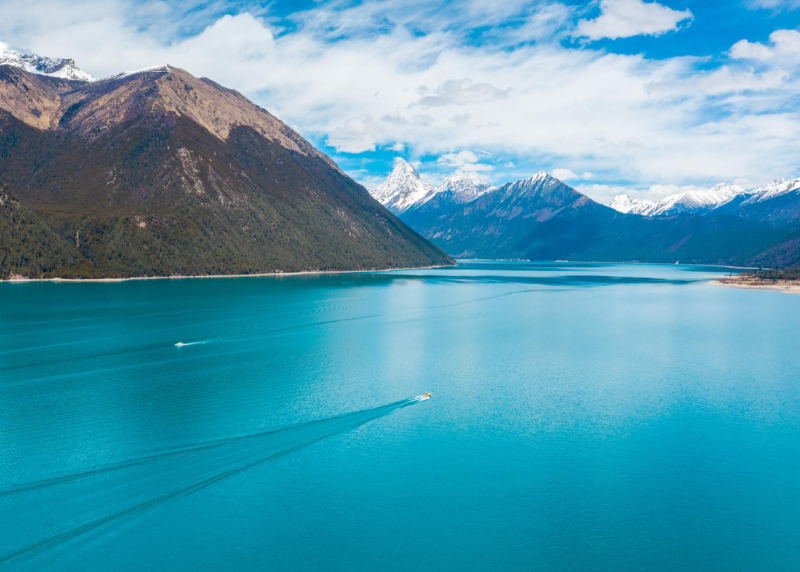
Basongtso Lake is the core attraction of the scenic area. The lake water is emerald green and clear, showing different colors and appearances in different seasons and weather. Around the lake are continuous snow-capped mountains, such as Jieqing Nala Gabu Snow Mountain, whose summit is covered with snow all year round, complementing the lake water and forming a breathtaking landscape painting. In the lake is Tashi Island, which has ancient buildings and mysterious legends. Visitors can take a cruise on Basongtso Lake, enjoy the lake and mountain scenery, and feel the tranquility and beauty of nature.
Cuozong Monastery
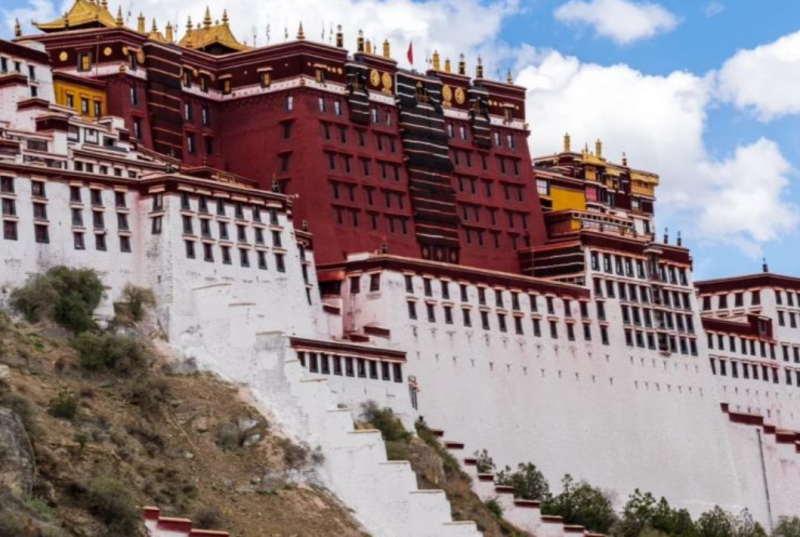
Cuozong Monastery is located on Tashi Island and is an important temple of the Red Sect. The temple's architectural style is unique, combining the characteristics of Tibetan wooden structures and stone structures. The temple enshrines statues of Padmasambhava, Thousand-Hand Guanyin, and others. The statues are exquisitely shaped and crafted. The murals in Cuozong Monastery are brightly colored and rich in content, depicting Buddhist stories and myths and legends. The environment around the temple is quiet, surrounded by green trees, and contrasts beautifully with the lake water. Here, visitors can feel the strong religious atmosphere and learn about the culture and history of Tibetan Buddhism.
Jieba Village
Jieba Village is located by the shore of Basongtso Lake and is a traditional Tibetan village. Most of the houses in the village are traditional Tibetan-style buildings, with white walls and red roofs, scattered in an orderly way by the lake. The villagers maintain a traditional way of life, herding, farming, and making handicrafts. Visitors can experience Tibetan folk culture in Jieba Village, taste Tibetan food, and enjoy the villagers' song and dance performances. There are also some homestays in the village where visitors can choose to stay and experience quiet rural life.
Xincuo
Xincuo is a beautiful canyon in the Basongtso Scenic Area. Few people go there, and it maintains its original natural style. In the canyon are clear streams, dense forests, and vast meadows. Walking along the stream, visitors can see many waterfalls and pools, and the scenery is very charming. Xincuo is also a paradise for hiking enthusiasts. The hiking route is picturesque, and visitors can feel the charm of nature up close, breathe fresh air, and relax.
Food
Tibetan Fragrant Pig
Tibetan fragrant pig is a specialty food around the Basongtso Scenic Area. Tibetan fragrant pigs grow in high-altitude areas and feed on natural grass and wild fruits. The meat is delicious, fatty but not greasy. There are various cooking methods, commonly including roasted Tibetan fragrant pig and braised Tibetan fragrant pig. Roasted Tibetan fragrant pig has a crispy skin and tender, juicy meat inside; braised Tibetan fragrant pig is bright red in color and mellow in taste. In restaurants near the scenic area, visitors can taste authentic Tibetan fragrant pig dishes.
Stone Pot Chicken
Stone pot chicken is a signature dish of the Nyingchi region and is also very popular among visitors in the Basongtso Scenic Area. Stone pot chicken uses local Tibetan chicken and hand ginseng and other ingredients, slowly stewed in a Motuo stone pot. The stone pot is rich in minerals, and the chicken soup stewed in it is rich, delicious, and nutritious. Stone pot chicken is not only tasty but also has certain nourishing effects, making it one of the must-try dishes for visitors.
Butter Tsampa
Butter tsampa is a traditional staple food of Tibetans. It is made by mixing butter, tsampa (barley flour), and tea. The butter is fragrant, and the tsampa has a fine texture. When mixed, they have a unique flavor. Visitors can add an appropriate amount of sugar or salt according to their taste and eat it after stirring evenly. Butter tsampa can be tasted in Tibetan restaurants or villagers' homes around the Basongtso Scenic Area.
Yak Jerky
Yak jerky is a specialty snack of Tibet and is also sold in the Basongtso Scenic Area. It is made from the beef of highland yaks through multiple processes such as curing, air-drying, and baking. Yak jerky has a firm texture, delicious taste, and is rich in protein. It is a favorite tourist souvenir and snack for visitors. Visitors can buy different flavors of yak jerky in specialty shops or markets in the scenic area.
Tickets:
Tickets are 120 yuan per person.
You can search for the official public account "Basongtso Scenic Area" on WeChat to get the latest updates or buy tickets online.
Opening Hours:
The Basongtso Scenic Area is open all year round.
In the off-season (November - April), opening hours are 09:00 - 18:30.
In the peak season (May - October), opening hours are 08:30 - 20:30.
During special weather or festivals, opening hours may be adjusted. Visitors can pay attention in advance to the scenic area's official website or related announcements to arrange their itineraries reasonably.
Tour Route:
Recommended tour route: Visitors first take a sightseeing bus to Basongtso Lake and can choose to take a cruise to tour the lake and enjoy Tashi Island in the lake. After going ashore, visit Cuozong Monastery and experience religious culture. After leaving Tashi Island, go to Jieba Village to experience Tibetan folk culture and taste Tibetan food. If time is sufficient and physical strength allows, you can go to Xincuo for a hiking trip and enjoy the original natural landscape. The entire tour takes about 6 to 8 hours. Visitors can adjust the route and停留 time appropriately according to their own time and interests.
Transportation:
Public transportation: There are buses from Nyingchi city to the Basongtso Scenic Area, with fixed departures every day. The journey takes about 2 hours, and the fare is about 50 yuan. However, the number of buses is limited, so it is recommended to consult and book in advance.
Chartered car: In Nyingchi city, you can charter a car to the Basongtso Scenic Area. The charter fee depends on the vehicle model and number of days of the itinerary. Generally, the charter fee for an ordinary sedan is about 500 to 800 yuan per day. Chartering a car is more convenient, and you can freely arrange your itinerary and停留 time.
Self-driving: Starting from Nyingchi city, drive along National Highway 318, then turn onto the road to Basongtso. The total distance is about 120 kilometers, and the driving time is about 2 hours. The scenic area has a parking lot, and the parking fee is 10 yuan per day. Self-driving allows you to enjoy the scenery along the way more freely, but pay attention to high-altitude driving safety.
Must-Visit Attractions:
Basongtso Lake: The core of the scenic area, with a lake surface elevation of 3,480 meters and an area of about 27 square kilometers. The lake water is clear, surrounded by snow-capped mountains. You can take a boat tour and enjoy Tashi Island.
Cuozong Monastery: Located on Tashi Island, built in the late Tang Dynasty, with a building area of about 300 square meters. It is an important temple of the Red Sect and has exquisite Buddha statues and murals.
Jieba Village: A traditional Tibetan village with Tibetan-style buildings. You can experience folk culture, taste food, and also stay overnight to experience rural life.
Xincuo: A beautiful canyon, rarely visited, with landscapes such as streams, forests, meadows, and waterfalls. It is a paradise for hiking enthusiasts.
Travel Tips:
The Basongtso Scenic Area is at a high altitude. Before traveling, visitors should prepare to prevent altitude sickness, such as taking anti-altitude sickness medicine in advance and avoiding strenuous exercise.
The ultraviolet rays in the scenic area are strong. Remember to bring sunscreen, sunglasses, hats, and other sun protection items to prevent sunburn.
If you are going to Xincuo for hiking, it is recommended to wear comfortable hiking shoes and clothing suitable for outdoor sports, and carry enough water and food.
When experiencing folk culture in Jieba Village, respect local customs and habits, such as asking the host's permission before entering a residence.
When tasting food, pay attention to food hygiene and avoid eating too much raw or cold food to avoid gastrointestinal discomfort.
Because the scenic area is large and some attractions are far apart, it is recommended to arrange time and itinerary reasonably to ensure that you can fully visit all the attractions.
Precautions:
Obey the various regulations of the scenic area, follow the instructions of the staff, and do not enter unopened areas without authorization.
Protect the scenic area environment, do not spit or litter, and keep the scenic area clean and sanitary.
When playing by the lake, do not approach dangerous areas near the lake, pay attention to safety, and avoid accidents.
When visiting temples, respect religious beliefs and cultural customs, and do not make loud noises or touch cultural relics and Buddha statues.
When taking sightseeing buses or cruise ships, fasten your seat belt, follow the staff's arrangements, and do not extend your body outside the window or beyond the ship's side.
If you encounter an emergency, you can call the scenic area's emergency rescue phone or ask nearby staff for help.