Dagu Glacier is located in Maqiao, Luhua Town, Heishui County, Aba Tibetan and Qiang Autonomous Prefecture, Sichuan Province, China. It is a national 4A-level scenic area. The tourist area covers 210 square kilometers, and the protected area of the scenic spot covers 632 square kilometers, with an altitude of 3,800–5,100 meters. It belongs to a plateau climate zone, with distinct dry and rainy seasons, abundant sunshine, a small annual temperature difference, a large diurnal temperature difference, and an average annual temperature of 9.5°C. There are 13 modern glaciers in the scenic area, with an ice area of 6.04 square kilometers. Dagu Glacier is the modern mountain glacier closest to a major metropolis at the easternmost edge of the eastern Qinghai-Tibet Plateau in China. It is also the world's lowest-altitude, largest-area, and youngest glacier, and has the notable features of "viewing mountain flowers in spring, colorful forests in autumn, glaciers in summer, and snow scenes in winter."
Historical Culture
The area where Dagu Glacier is located is inhabited by Tibetan and Qiang people. Its special geographical location and history have formed unique folk customs. The local intangible cultural heritage "armor dance" is rough, bold, and infinitely charming; polyphonic folk songs have elegant melodies and unique characteristics; religious culture is profound and has a long history.
In 1992, Japanese scientists discovered Dagu Glacier via satellite. In August of the same year, scientists climbed Dagu Glacier and conducted a one-week investigation, concluding that Dagu Glacier is the world's lowest-altitude, largest-area, and youngest glacier, and also the glacier closest to a city.
Main Attractions
Jinhou Lake
It is named because Tibetan macaques often gather here. Every winter, Tibetan macaques stay at Jinhou Lake for about five months. When tourists enter Dagu Mountain, the first thing they see is Jinhou Lake surrounded by mountains and forests, as well as its clear lake water.
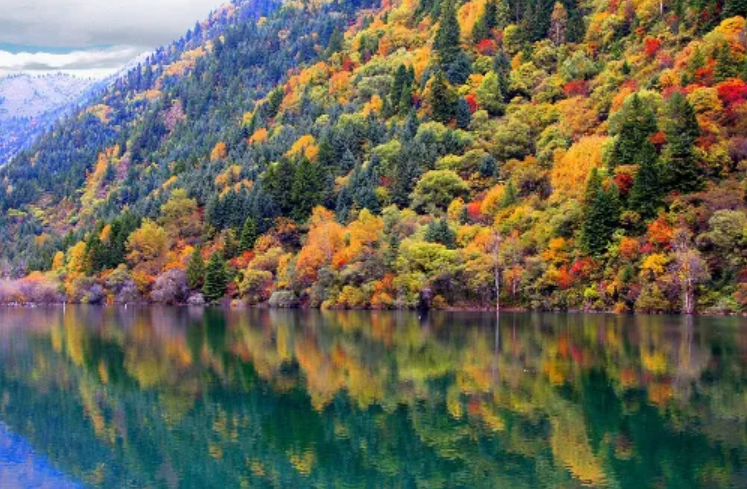
Zenacu
In Tibetan, it means "release of living beings." The lake surface is broad and clear, and the reflections of snow peaks and mountain forests shine beautifully on the lake.
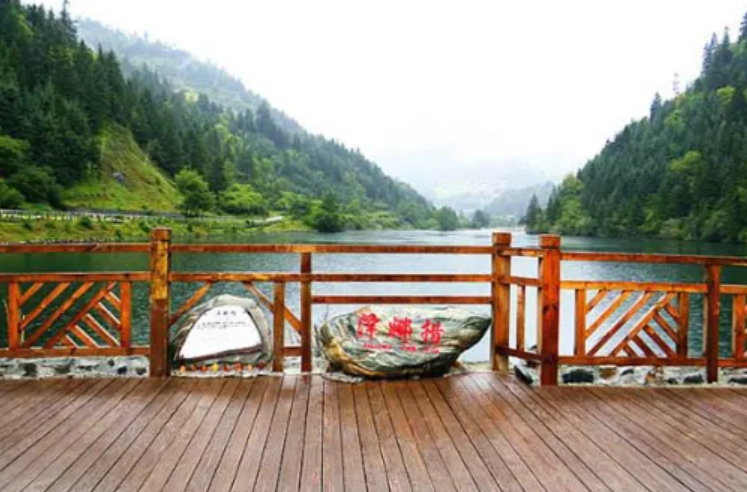
Dagu Lake
It is formed by the convergence of ice water melted from thousand-year-old icebergs, and the lake color changes with the seasons.
Lovers' Beach
Located at the foot of Dagu Glacier Mountain, it was originally a place for Tibetans to meet for matchmaking. Situated at the foot of pure snow mountains, it implies that the love of lovers is pure and flawless; located at the foot of the ever-unmelting glacier mountain, it represents that the love of lovers is firm and unshakable.
Luogesi Holy Mountain
In Tibetan, it means "guardian god of the mountains." It combines alpine meadows, waterfalls, and snow peaks. The climate is warm, water is abundant, forests are lush, and vegetation coverage is high. It is suitable for leisure and summer vacations, and is also a pilgrimage site for Tibetans. Every May and September, Tibetan villagers pray for good weather for the coming year by chanting scriptures and performing religious dances.
Upper Cableway Station
Located at the top of Dagu Snow Mountain at an altitude of 4,860 meters, it has the 4,860 viewing platform, where visitors can view Glacier No. 1, No. 2, and No. 3, as well as a cafe. Dagu Glacier is the world's lowest-altitude, largest-area, and youngest glacier.
Dagu Glacier National Geopark Museum
The exhibition and display area is about 1,700 square meters. It is divided into nine functional halls: Preface Hall, Ice-Decorated Dagu, Beautiful Water of Kalong, Ecological Homeland, Nature Classroom, Science Popularization Cinema, Construction and Development, Ethnic Culture, and Red Army Culture. The museum collects and displays more than ten kinds of rock and mineral specimens and dozens of animal and plant specimens. It uses sound, light, electricity, multimedia, and other display methods to comprehensively introduce the unique geological relic resources, diverse species, rich culture, and research results of Dagu Glacier Geopark.
Tour Route:
Tourists can first take the sightseeing bus to visit attractions such as Jinhou Lake, Zenacu, and Dagu Lake, enjoying the natural scenery and wild animals along the way. Then take the cableway to the glacier viewing platform to admire the spectacular glacier scenery. They can also experience the feeling of overlooking from above on the world's highest-altitude cableway and taste coffee while enjoying the beautiful scenery at the "loneliest cafe." After that, they can go to Luogesi Holy Mountain to experience the religious culture and natural scenery of the Tibetan people. Finally, visit the Dagu Glacier National Geopark Museum to learn about the geological history and cultural connotations of the scenic area. The entire tour is recommended to be arranged for one day.
Travel Suggestions:
The scenic area is at a high altitude. It is recommended to prepare medicines for altitude sickness in advance, such as rhodiola. During the tour, pay attention to conserving energy and avoid strenuous exercise.
The weather in the scenic area is changeable, and the temperature difference between morning and evening is large. Even in summer, thick coats and warm clothing such as down jackets and outdoor jackets are needed.
If you want to take beautiful photos, it is recommended to bring wide-angle and telephoto lenses to capture different scenery.
During the tour, you can stop appropriately at different attractions according to your interests and time to fully enjoy the experience.
Precautions:
Observe the regulations of the scenic area, do not damage the environment and facilities at will, do not trample on lawns, and do not pick flowers and trees.
Respect local religious beliefs and customs, and do not enter religious places at will or interfere with religious ceremonies.
When taking the sightseeing bus and cableway, follow the arrangements of the staff, fasten your seat belt, and pay attention to safety.
Some areas in the scenic area are at high altitude with low oxygen content. If you feel unwell, such as headache or difficulty breathing, you should seek medical attention promptly or go to the scenic area's oxygen supply point to inhale oxygen.
Transportation:
Self-driving: Starting from Chengdu, you can reach the scenic area along the Rongchang Expressway, National Highway 347, and other roads. The total distance is about 309 kilometers, and the drive takes about 4–5 hours.
Bus: There are buses from Chengdu Chadianzi Passenger Station to Heishui County. After arriving in Heishui County, you can transfer to a local taxi or van to go to the scenic area.
Opening Hours:
Ticket sales time is 8:30–15:30. The scenic area is usually open from around 8 a.m. to around 5 p.m., and the specific times may be adjusted according to seasons and weather conditions.
Tickets:
Ticket bus ticket: 110 yuan/person.
Ticket bus ticket cableway ticket: 220 yuan/person.