China Xuan Paper Cultural Park is located in Wuxi, Jing County, Xuancheng City, Anhui Province. It is a national 4A-level tourist attraction and a thematic cultural park that integrates xuan paper craftsmanship demonstration, cultural tourism, study tours, and leisure sightseeing. Covering approximately 150 mu (about 10 hectares) with a total floor area of about 10,000 m2, the park’s core feature is the complete preservation and display of the traditional xuan paper making technique, which is a national intangible cultural heritage. It is the only special-purpose park in the world that comprehensively presents the origin, production, development, and culture of xuan paper. The architecture follows the Huizhou style of southern Anhui, combining traditional workshop layouts with modern exhibition spaces. It includes ancient?method production workshops, cultural exhibition halls, experience zones, and sightseeing areas. The park serves as a living heritage base for xuan paper craftsmanship and a model scenic spot for cultural?tourism integration.
History and Culture
Xuan paper is China’s traditional paper for calligraphy and painting, renowned as the “king of papers” and “paper that lasts a thousand years.” Its place of origin is Jing County, Anhui, with a history of over 1,500 years. The traditional craft of xuan paper dates back to the Tang Dynasty and was refined through the Song, Yuan, Ming, and Qing dynasties. In the Qing Dynasty it was listed as a tribute item. In 2006 it was included in the first batch of China’s national intangible cultural heritage, and in 2009 it was inscribed on UNESCO’s Representative List of the Intangible Cultural Heritage of Humanity. It is an outstanding representative of traditional Chinese craftsmanship.
China Xuan Paper Cultural Park was built upon Jing County’s xuan paper industrial foundation and is invested and developed by China Xuan Paper Co., Ltd. The park faithfully restores the entire ancient?method production process of xuan paper, preserving all 108 traditional procedures, and is the core vehicle for the living transmission of xuan paper skills. With the mission of protecting, inheriting, and promoting xuan paper culture, the park connects the whole chain of raw material cultivation, handmade production, cultural display, and artistic creation. It has become an important bridge between traditional crafts and modern cultural tourism, and is the preferred destination for both Chinese and foreign visitors to learn about Chinese papermaking culture.
Xuan paper is mainly made from the bark of the blue sandalwood tree (Pteroceltis tatarinowii) and sandy?field rice straw. It is produced entirely by hand through natural water soaking, sun drying, steaming, and other processes. It features strong ink?absorption, resistance to ageing, insect resistance, and colour stability. For generations, famous calligraphers and painters have used xuan paper as their creative medium, making it an important symbol of Chinese painting and calligraphy art, traditional culture, and craftsmanship.
Main Attractions
Ancient?Method Xuan Paper Workshop
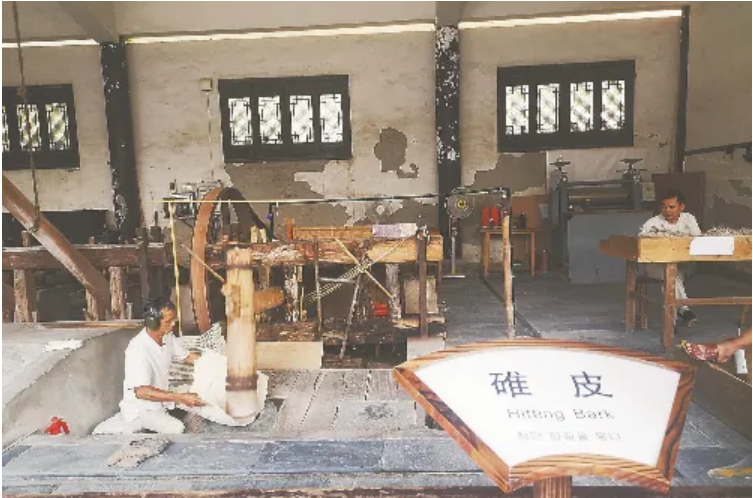
Covering about 3,000 m2, this is the park’s core attraction. It fully recreates the 108 traditional production steps of xuan paper. Intangible heritage inheritors perform live the core processes of sheet?forming, drying, cutting, and inspecting. Visitors can observe the entire handmade production process up close. It is the only live?action workshop in the world that completely demonstrates the ancient xuan paper craftsmanship. The workshop retains traditional production equipment and tools, follows century?old production procedures, and authentically presents the meticulous artistry of xuan paper making.
China Xuan Paper Museum
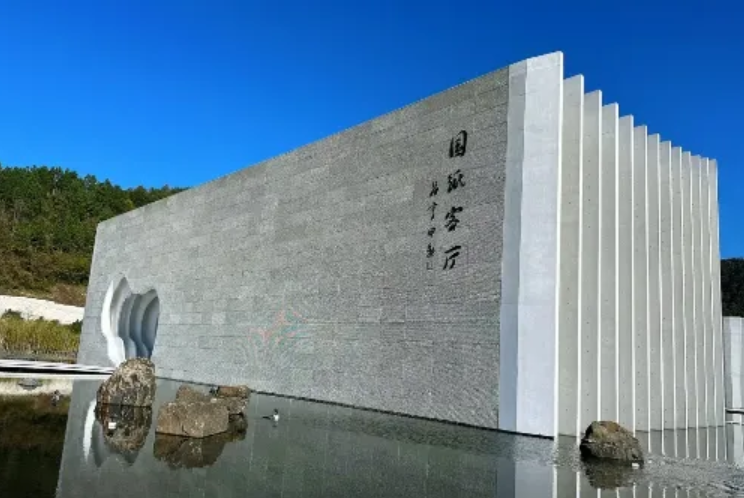
The museum is the park’s landmark building, with a floor area of about 2,500 m2. It is the largest and most comprehensive xuan?paper?themed museum in China. The museum contains exhibition areas including a history hall, technique hall, collection hall, and experience hall. It houses nearly 1,000 items, including historical xuan paper products, antique tools, calligraphy and painting works, and documentary materials. It provides a detailed introduction to the history of xuan paper, raw material properties, production techniques, cultural value, and artistic applications, making it the core venue for understanding xuan paper culture.
Xuan Paper Raw Material Plantation Sightseeing Garden
Covering about 40 mu, this garden is specially planted with the core raw materials for xuan paper—blue sandalwood trees and sandy?field rice straw—with over 2,000 blue sandalwood trees. It is a live display area for the raw materials. Visitors can visually recognise the natural raw materials, learn about their growth characteristics, harvesting standards, and basic processing, and understand the craftsmanship principle that “good materials produce good paper.”
Calligraphy and Painting Creation Experience Zone
With a floor area of about 800 m2, this zone is equipped with authentic xuan paper, brushes, ink, and worktables, and can accommodate up to 100 people at a time for calligraphy and painting experiences. Visitors can use genuine xuan paper to create works and feel its unique ink?spreading effect. They can also participate in interactive activities such as rubbings and paper?art making, deeply experiencing the practicality and artistry of xuan paper culture.
Xuan Paper Culture Corridor
About 200 metres long, the corridor runs through the park’s core area. Through illustrations, texts, physical objects, and sculptures, it systematically presents xuan paper’s historical anecdotes, craft formulas, stories of famous artists, and the journey of intangible heritage transmission. It is a cultural landscape that combines sightseeing and education, allowing visitors to gain a comprehensive understanding of xuan paper culture while strolling.
Suggested Tour Route:
The standard tour route in China Xuan Paper Cultural Park takes about 2 to 3 hours and covers all core attractions. The route is well designed and proceeds as follows: starting from the entrance, first visit the Raw Material Plantation Sightseeing Garden to learn about the main raw materials; then walk to the Ancient?Method Xuan Paper Workshop to watch inheritors demonstrate the whole papermaking process on site; next head to the China Xuan Paper Museum to view historical collections and cultural displays; afterwards follow the Xuan Paper Culture Corridor to learn about cultural stories; and finally reach the Calligraphy and Painting Creation Experience Zone to participate in interactive creative activities. The entire route is smooth and has no backtracking, allowing visitors to fully appreciate xuan paper culture and craftsmanship.
Travel Tips:
Allow 2–3 hours for the visit, with enough time to watch the live demonstrations at the ancient?method workshop. The sheet?forming and drying processes are shown at fixed times every day—do not miss them.
Consider combining with other cultural attractions in Jing County to form a one?day itinerary, such as Chaji Ancient Village and Taohuatan (Peach Blossom Pool) Scenic Area, to enhance the experience.
Study?tour visitors can book professional guide services in advance to gain deeper insight into the intangible heritage and history of xuan paper.
Visitors who enjoy calligraphy and painting may bring their own brushes and ink to create works using authentic xuan paper in the experience zone.
It is recommended to enter the park between 9:00 and 11:00 a.m., when lighting is good for observing the workshop operations and taking photos.
You may purchase xuan paper cultural and creative products or finished xuan paper as souvenirs—all products from the park are genuine Jing County xuan paper.
Important Notices:
Do not touch production tools, raw materials, or semi?finished xuan paper inside the ancient?method workshop, and do not interfere with the inheritors’ work.
Do not use flash when taking photos in the museum, and do not touch exhibits or artefacts.
Smoking is prohibited throughout the park. Flammable and explosive items are not allowed; the workshop area is a key fire?prevention zone.
When using brushes and ink in the experience zone, take care to avoid staining your clothes—the park does not provide laundry services.
Respect the intangible heritage inheritors; when filming the production process, avoid blocking their view and keep quiet.
Children must be accompanied by adults. The workshop floors may be wet, so watch your step for safety.
Pets are not allowed in the park. Do not litter; keep the environment clean.
Transportation:
Self?driving: Navigate to “China Xuan Paper Cultural Park.” From Hefei or Nanjing, take the Shanghai–Chongqing Expressway and turn towards Jing County; the journey takes about 2 hours in total. The park offers free parking with about 200 spaces.
Public transport: Take the high?speed train to Jing County Station, then take Jing County Bus Route 3 directly to the park; the trip takes about 30 minutes.
Long?distance bus: Take a coach to Jing County Bus Station, then transfer to the park’s direct shuttle bus or take a taxi; the taxi ride takes about 15 minutes.
Tourist shuttle: Jing County urban area operates a special tourist shuttle bus to the park, with 8 departures daily; the one?way journey takes about 25 minutes.
Opening Hours:
Regular hours: 8:30 a.m. – 5:00 p.m., with last admission at 4:30 p.m.
Public holidays: 8:00 a.m. – 5:30 p.m., with last admission at 5:00 p.m.
The daily demonstration times in the ancient?method workshop follow the same opening hours—there are no separate demonstration sessions; visitors can watch upon entry.
Admission:
Ticket price: 60 RMB per person.