The Dagu Fort Ruins Museum is located on both sides of the Haihe River estuary in Tanggu, Binhai New Area, Tianjin. It is a Major Historical and Cultural Site Protected at the National Level, a National 4A-Level Tourist Attraction, and also a National Patriotism Education Demonstration Base and a National Youth Education Base. The scenic area is centered on the Dagu Fort Ruins and carries important historical memories of modern China's resistance against foreign aggression, possessing profound historical and cultural value and significance for patriotic education. The scenic area covers a total area of approximately 93.8 hectares, of which the main museum building covers approximately 8,000 square meters, with a building area of approximately 5,000 square meters. The overall architectural style is solemn and dignified, echoing the historical atmosphere of the fort ruins. Through physical displays, scene restoration, multimedia interaction, and other methods, it comprehensively presents the historical changes of the Dagu Fort and the history of resistance in modern China.
Historical Culture
The Dagu Fort was first built in the late Ming Dynasty, initially established to resist Japanese pirates, and gradually developed into an important coastal defense barrier guarding the capital region during the Qing Dynasty. Its strategic location was extremely important, as it was the throat passage at the mouth of the Haihe River, and it was known as the "Screen of Tianjin."
In modern history, the Dagu Fort experienced several important battles, the most famous of which were the four Battles of Dagu (1858, 1859, 1860, and 1900). In the 1859 Battle of Dagu, Qing soldiers bravely fought against the British and French allied forces here and achieved an important victory in modern China's anti-aggression wars. However, due to the corruption and backwardness of the Qing government, in subsequent wars, the Dagu Fort eventually fell.
In 1988, the Dagu Fort Ruins were announced by the State Council as part of the third batch of Major Historical and Cultural Sites Protected at the National Level. Today, as an important coastal defense site in modern Chinese history, the Dagu Fort Ruins have witnessed the course of the Chinese nation from humiliation to resistance. They are important physical materials for studying modern Chinese military history, diplomatic history, and the history of national resistance, and play an irreplaceable role in inheriting and promoting the spirit of patriotism.
Main Attractions
Dagu Fort Ruins
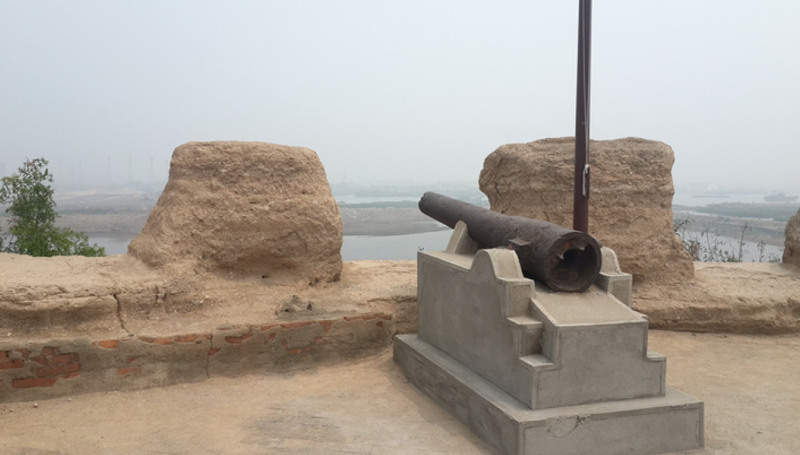
The Dagu Fort Ruins are the core part of the scenic area. Currently, five fort ruins remain: "Wei," "Zhen," "Hai," "Men," and "Gao," all built during the Qing Dynasty. Among them, the "Wei" Fort is the best-preserved one, covering an area of approximately 2,000 square meters. The fort faces the sea, with remains such as gun positions, ammunition depots, and soldiers' barracks. Visitors can observe the structure of the fort up close and experience the layout of military defense at that time. These fort ruins are not only witnesses to history, but also demonstrate the architectural technology and military strategic thinking of Qing Dynasty coastal defense engineering.
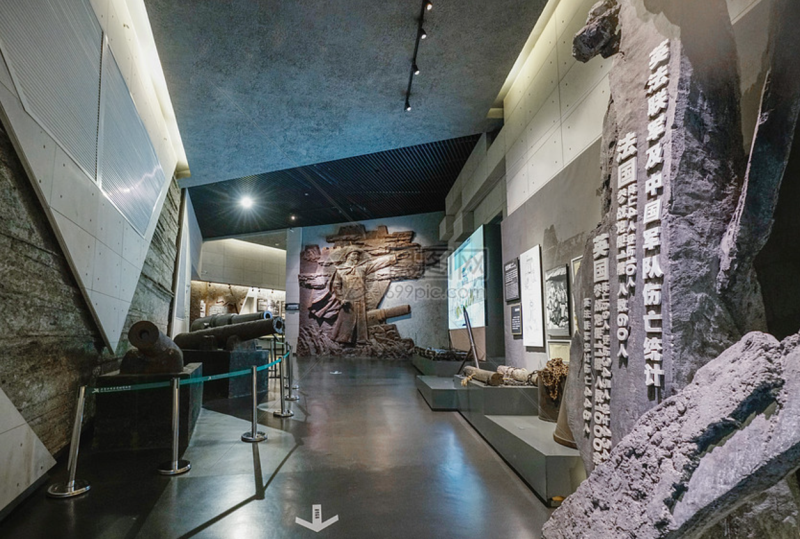
Exhibition Hall of the Dagu Fort Ruins Museum
The museum exhibition hall is divided into multiple sections. Through rich cultural relics, pictures, textual materials, and multimedia means, it systematically displays the historical evolution of the Dagu Fort, important battles, and the coastal defense situation of modern China. The exhibition hall displays cultural relics such as cannons, ammunition, and soldiers' daily necessities used at that time. Some of these cultural relics were unearthed from the fort ruins and have extremely high historical value. Through these exhibits and displays, visitors can gain an in-depth understanding of the important position and role of the Dagu Fort in modern Chinese history.
Sculpture Square
Sculpture Square is located between the museum and the fort ruins. Several sculptures reflecting the modern Chinese people's resistance against foreign invasion stand in the square. With vivid forms and full emotion, these sculptures reproduce historical scenes such as soldiers bravely killing the enemy and the public supporting the front line, allowing visitors to more intuitively feel the Chinese nation's unyielding spirit of resistance.
Food
Guobacai
Guobacai is a specialty snack of Tianjin and one of the common foods around the Dagu Fort Ruins Museum. It is mainly made from mung bean flour pancakes. The pancakes are cut into willow-leaf shapes, blanched in boiling gravy, then removed and mixed with sesame paste, fermented bean curd sauce, cilantro, and other seasonings. The gravy has a rich flavor, and the pancakes are soft but not mushy, with a unique texture. It is a breakfast choice loved by local residents.
Goubuli Baozi
Goubuli Baozi is a famous Tianjin delicacy, and it can also be tasted in some restaurants around the scenic area. It mainly uses pork filling, seasoned with soy sauce, sesame oil, and other seasonings. The bun skin is white and soft, and the pleats are even and beautiful, with as many as 18 pleats. The filling is fresh, tender, and juicy, with a mellow taste, and is deeply loved by the public.
Erduoyan Fried Cake
Erduoyan Fried Cake is also a traditional Tianjin snack and is relatively common in snack shops around the scenic area. It uses glutinous rice flour as the skin and is filled with red bean paste. After frying, it turns golden yellow. The outer skin is crispy, the inside is soft and glutinous, and the red bean paste filling is sweet and delicious. It is a sweet and tasty specialty snack.
Tickets:
Tickets are 25 yuan per person.
You can search for the official WeChat public account "Dagu Fort Ruins Museum Official WeChat" to obtain the latest updates or purchase tickets online.
Opening Hours:
Opening hours are Tuesday to Sunday 9:00–16:30 (last admission at 16:00), closed every Monday (except statutory holidays).
Tour Route:
After entering the scenic area, visitors can first go to the Exhibition Hall of the Dagu Fort Ruins Museum to learn about the historical background and overall situation of the Dagu Fort through the exhibition, which takes about 1 hour. After that, go to Sculpture Square to enjoy the sculptures and feel the historical atmosphere, which takes about 30 minutes. Then, go to the Dagu Fort Ruins and visit the five fort ruins "Wei," "Zhen," "Hai," "Men," and "Gao" in sequence to gain an in-depth understanding of the fort's structure and history. This part of the tour takes about 1.5 hours. The entire tour route takes about 3 hours in total and allows for a relatively comprehensive experience of the main contents of the scenic area.
Transportation:
Bus: You can take Tianjin Bus No. 936 or No. 627 and get off at Dagu Fort Ruins Station, then walk about 5 minutes to reach the entrance of the scenic area.
Self-driving: Starting from downtown Tianjin, drive along the Jinbin Expressway, get off at the Tanggu exit, and then follow navigation instructions to the Dagu Fort Ruins Museum. The total distance is about 50 kilometers, and the drive takes about 1 hour. There is a parking lot in the scenic area for visitors to park, and the parking fee is 5 yuan per hour.
Must-Visit Attractions:
"Wei" Fort Ruins: This is the best-preserved fort ruins, covering an area of approximately 2,000 square meters. It has remains such as gun positions and ammunition depots, allowing visitors to intuitively experience the structure of Qing Dynasty coastal defense facilities.
Museum Exhibition Hall: It displays a large number of historical relics and materials, systematically presenting the history of the Dagu Fort, including precious relics such as cannons unearthed from the ruins. It is an important window for understanding history.
Travel Suggestions:
It is recommended to spend about 3 hours sightseeing, so as to have enough time to visit the exhibition hall and fort ruins and gain an in-depth understanding of history.
Before visiting, you may consult relevant historical materials so that you can better understand the historical significance carried by the exhibits and ruins during the tour.
There is a rest area in the scenic area, where visitors can rest appropriately during the tour to relieve fatigue.
When visiting in summer, it is recommended to take sun protection measures and bring items such as a sun hat and sunscreen; in winter, pay attention to keeping warm.
Notes:
Smoking and littering are prohibited in the scenic area. Visitors must protect the environment and cultural relics and must not touch or carve on exhibits and ruins at will.
When visiting the exhibition hall, visitors must observe order and keep quiet so as not to affect other visitors.
Some areas of the fort ruins are uneven. Please pay attention to safety during the tour and wear comfortable shoes.
The opening hours of the scenic area are limited. It is recommended to plan your itinerary in advance to avoid missing the admission time.