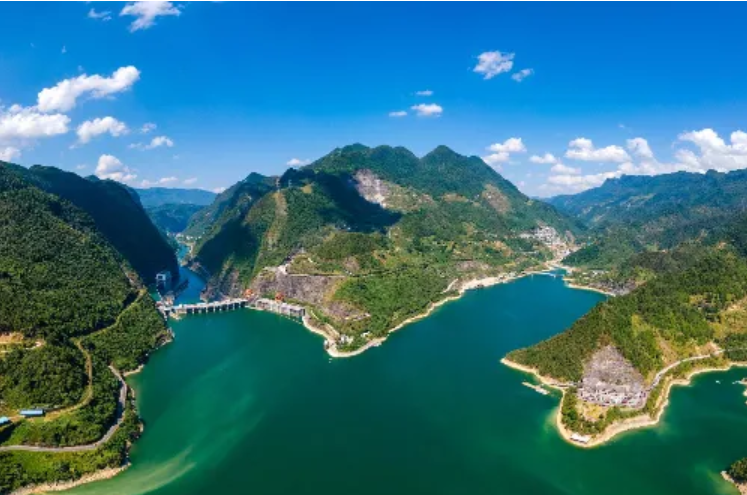
Pengshui Wujiang Gallery Scenic Area is located in Pengshui Miao-Tujia Autonomous County, Chongqing Municipality. It is a national 4A-level tourist attraction, integrating sightseeing, leisure and vacation, water entertainment, folk cultural experiences, and local specialty cuisine. The total planned area of the scenic area is 46.64 square kilometers, of which the core scenic area covers 9.91 square kilometers, with a forest vegetation coverage rate of 91%.
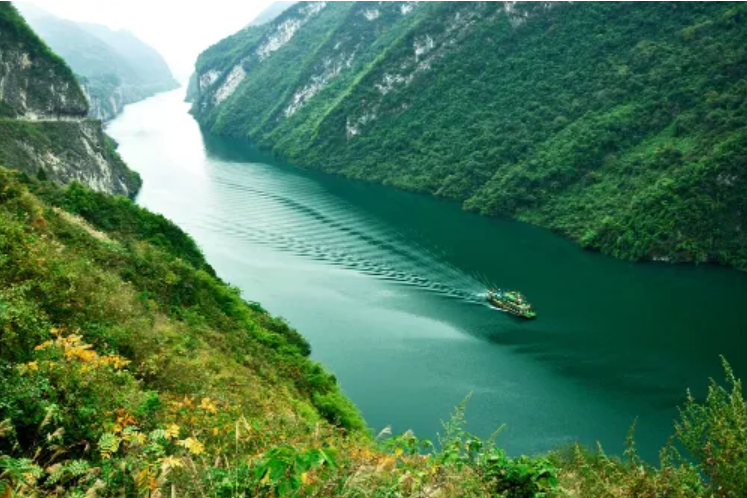
The river here is clear and turquoise, sometimes spreading into calm lakes and sometimes rushing through narrow gorges. On both banks, peaks rise one after another, with towering cliffs facing each other, steep precipices competing in height, and waterfalls, strange rocks, ancient trees, and trailing vines visible everywhere. Every step offers a new view, and every scene is like a painting, earning it the reputation of "A Thousand Li of Wujiang River, A Hundred Li of Gallery." The Qing Dynasty poet Weng Ruomei once praised it, saying, "Among the remarkable landscapes of Sichuan, this should be ranked first." Major structures within the scenic area include the iconic gate tower, Jiudao Gate, and Jiuli Palace. There are 2 Chinese-style antique sightseeing boats and 5 modern luxury yachts, providing visitors with a variety of touring options.
History and Culture
Pengshui Wujiang Gallery has a long history and deep cultural heritage. Since its establishment as a county in the early Han Dynasty, Pengshui has a history of over 2,000 years and was once the seat of the Qianzhong Circuit in the Tang Dynasty. It is part of the national-level Wuling Mountain Area (Southeastern Chongqing) Tujia and Miao Cultural Ecological Protection Zone, boasting rich Miao culture, salt and cinnabar culture, Qianzhong culture, red culture, and Wujiang culture. It was inscribed in the third batch of China's National Intangible Cultural Heritage Representative List in 2011 and in the fourth batch (expanded list) in 2014.
Along the banks are numerous historical relics, such as the ancient Ba Kingdom's Manwang Cave, built during the Warring States period, which carries the mysterious history of the ancient Ba people; Ma'an City, a site of the Southern Song Dynasty rebellion led by the Monk Jintou; the Bo people's cliff burials, a custom of the southern minority Bo people from the Eastern Han Dynasty, full of mystery; and the ancient Ba people's towpaths, which bear vivid testimony to the working life of ancient laborers along the Wujiang River. Other cultural sites such as "Jingtao Pai'an" (Waves Lashing the Shore) and "Zhuling Shikan" (Bamboo Groove Poetry Niche) also have considerable research value.
The scenic area is home to ethnic minorities including the Miao and Tujia peoples, with rich ethnic customs. Traditional Miao songs and dances, Tujia hand-waving dances, crying weddings, and drinking Tujia oil tea are passed down through generations. Traditional handicrafts such as Xilankapu (Tujia brocade) and batik are uniquely charming. There are also ancient Tujia back-carrying weddings, unique Baogu lantern plays, Yang opera, Mamadeng (horse lantern performances), and the wooden-leaf love songs used by young folk to express their affection—all of which form a highly captivating local ethnic culture.
Main Attractions
Mafeng Gorge
Mafeng Gorge is the first gorge of the Wujiang Gallery, connecting the two calm lakes of Wanzhou and Lujiao, shaped like a dumbbell, with a total length of 8 kilometers. The gorge features spectacular natural scenery, with many giant rocks forming natural shapes.
Divine Turtle Rock
Named for its turtle-like appearance, this rock is known as the Divine Turtle Rock.
Lion Greeting Visitors
Shaped like a lion crouching by the river, it seems to be waiting to welcome all guests arriving at the Wujiang Gallery.
Gongtan Ancient Town
Gongtan Ancient Town features an about 3-kilometer-long flagstone street, over 150 unique fire-sealing gable walls, more than 200 quaint and tranquil courtyard houses, and over 50 stilted buildings of various forms. With its distinctive local characteristics, it is one of the best-preserved and most substantial Ming and Qing architectural complexes in China.
Tour Route:
Depart from Pengshui county town, take a taxi (50–80 RMB) for about half an hour to reach the Wujiang Gallery dock. Purchase tickets at the visitor center, and the boat usually departs around 10:30 AM. Take the sightseeing boat to tour the scenery in sequence; the entire trip takes about 2 hours, ultimately arriving at Gongtan Ancient Town from Wanzhou Town, Pengshui County.
Travel Suggestions:
The best seasons to visit are spring and autumn, when the climate is pleasant and the scenery is most beautiful, allowing you to fully appreciate the charm of the Wujiang Gallery.
Arrive at the dock early to purchase tickets to avoid delays during peak tourist seasons.
If you wish to gain a deeper understanding of the local culture, choose a boat with guided commentary services.
Taste local specialties such as Miao-style sour fish soup and Tujia oil tea to experience the unique food culture.
Bring a camera or other equipment to capture the beautiful scenery along the way, but take care to keep your personal belongings safe.
Precautions:
Be sure to follow the staff's instructions when boarding the boat, wear a life jacket, and ensure your safety.
Protect the scenic environment—do not litter—and help preserve the ecological resources.
Respect the customs and traditions of the local ethnic minorities to avoid misunderstandings due to cultural differences.
Keep an eye on your personal belongings, especially in crowded areas and while on the boat.
Transportation:
You can take a taxi from Pengshui county town to the Wujiang Gallery dock. The ride takes about half an hour and costs 50–80 RMB.
Opening Hours:
The scenic area is open year-round. Boats generally depart around 10:30 AM, but specific times may vary due to seasonal changes or weather conditions. It is advisable to contact the scenic area in advance for confirmation.
Tickets:
Adult ticket: 100 RMB/person
Student ticket: 50 RMB/person