Chicheng Hot Spring Resort is located 7.5 kilometers west of the seat of Chicheng County, Zhangjiakou City, Hebei Province. Nestled in a secluded valley of the Cangshan Mountains, it is a national 4A-level tourist attraction. It has long enjoyed the reputation of being the “First Spring Beyond the Pass,” and geologists once rated it as the “Second Spring under Heaven,” second only to the Yuquanshan Hot Spring in Beijing. The scenic area is centered on natural hot spring resources. The hot spring is a medical silicic acid-strontium-fluoride spring, containing more than 30 chemical substances and radioactive elements. It has therapeutic effects on many diseases and combines value for both convalescence and sightseeing. The scenic area sits at an altitude of 942 meters, with an average annual temperature of 5.7°C. Summers are cool, making it an ideal place for summer retreats and recuperation. At present, nine hotels have been built within the scenic area, with a total area of more than 50,000 square meters, a building area of 33,000 square meters, and a garden area of 16,100 square meters. It has 500 guest rooms of various types, 1,200 beds, 16 meeting rooms of different sizes, 3 large swimming pools, and 2 villas, meeting the accommodation, conference, and leisure needs of different visitors.
Historical Culture
The development and utilization of Chicheng Hot Spring can be traced back more than 2,000 years. In the Commentary on the Water Classic by Li Daoyuan of the Northern Wei Dynasty, there is a record: “To the north of Yuyang there is indeed a hot spring, three hundred li from Yanjing,” clearly mentioning the hot spring here.
Many emperors in history stayed here. Emperor Jingzong of Liao, Yelü Longxu; Emperor Chengzu of Ming, Zhu Di; and Emperor Shengzu of Qing, Xuanye (the Kangxi Emperor), all visited. In the 11th year of Kangxi, the Kangxi Emperor accompanied his grandmother Empress Dowager Xiaozhuangwen to stay and bathe here for 51 days. Her long-standing leg ailment was cured, leaving behind the famous saying, “In former days the benevolent emperor once stayed here; beyond the Pass it is truly praised as the champion of waters,” which made the hot spring widely known.
In modern times, the famous anti-Japanese general Ji Hongchang left the stone inscription “Wash Away Disgrace” here, giving the hot spring a Red culture dimension. The scenic area also preserves many historical relics, including the “Wash the Heart” stele and the “First Spring Beyond the Pass” inscription erected by Huang Yingsu, an investigating censor of the Ming Dynasty, bearing witness to its profound historical and cultural heritage.
Main Attractions
Main Spring
Main Spring, also called Rolling Pool, is located below Yonggui Pavilion and is one of the most representative springs in the scenic area. Its flow is 0.516 cubic meters per minute, its water temperature reaches 68°C, its total alkalinity is 4.9, and its acidity is 8.0. Because the water is rich in various beneficial components, it has special balneotherapeutic effects on joint diseases such as rheumatic arthritis and rheumatoid arthritis, as well as skin diseases such as eczema and urticaria. It is an important place for visitors to experience hot spring therapy.
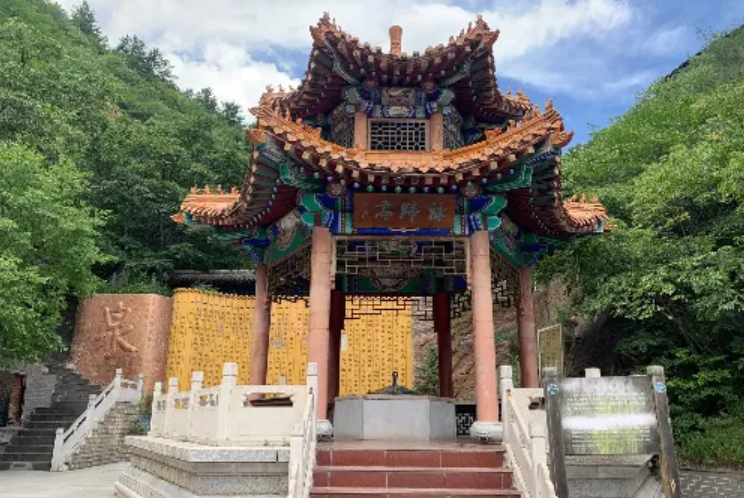
Stomach Spring
Stomach Spring is located 30 meters south of Main Spring. Its water temperature is 58°C, its total alkalinity is 4.9, and its acidity is 7.8. The spring water is rich in bicarbonate and sulfate and has significant therapeutic effects on digestive system diseases such as chronic gastroenteritis, cholecystitis, and gastrointestinal dysfunction. The spring water can be drunk directly, making it a distinctive spring in the scenic area that combines therapeutic and drinking value.
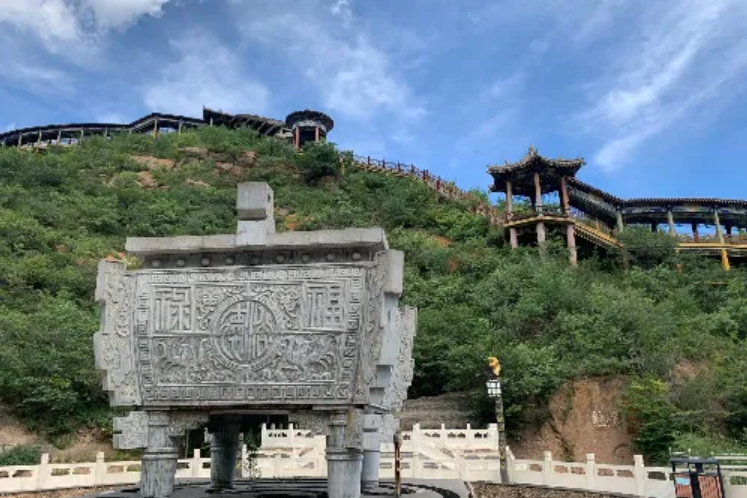
Eye Spring
Eye Spring is located on the south slope opposite the Hot Spring Hotel building, with Mingmu Pavilion built above it. The spring water is notably effective in treating eye diseases. Washing the eyes with it can relieve various symptoms of ophthalmia and also help improve myopia and presbyopia. After washing, one feels that the eyes are especially bright, and it is deeply valued by visitors.
Bronchitis Spring
Bronchitis Spring is located 120 meters southwest of Main Spring. Its spring water, through oral intake, nasal inhalation, or bathing, has obvious therapeutic effects on respiratory system diseases such as chronic bronchitis, mild emphysema, and bronchial asthma, providing a natural therapeutic option for patients with related diseases.
Cold Spring
Cold Spring is close to Main Spring yet forms a sharp contrast with it. Its water temperature remains around 10°C throughout the year, its water level is stable, and it never dries up. Amid the surrounding high-temperature hot springs, the existence of Cold Spring is truly a wonder, adding unique natural interest to the scenic area.
Ping Spring
Ping Spring’s water temperature remains around 36°C throughout the year. Its spring water also contains various beneficial components and has certain therapeutic effects. It is another option in the scenic area for visitors to experience hot spring therapy and is suitable for visitors with specific temperature preferences.
Divine Dragon Corridor
Divine Dragon Corridor is an aerial pedestrian corridor built along the mountain, with a total length of 200 meters. It winds along the mountain terrain and resembles a long dragon, hence the name “Divine Dragon Corridor.” The inner walls of the corridor are painted with murals of China’s Four Great Classical Novels. Strolling through it, visitors can gaze at the distant mountains, enjoy the surrounding natural scenery, and feel the rich cultural charm. It is a distinctive attraction integrating natural and cultural landscapes.
Recommended Tour Route:
Recommended tour route: Scenic Area Gate → Painted Archway → Stone-Step Bridge → Main Spring → Stomach Spring → Eye Spring → Bronchitis Spring → Cold Spring → Ping Spring → Divine Dragon Corridor. After entering the scenic area gate, the first thing that comes into view is the painted archway. Follow the stone steps forward, and when crossing the small bridge, you can enjoy the sight of hot spring water flowing beneath it. Then go to Main Spring to feel its steaming scene and learn about its effects. Next, walk 30 meters to Stomach Spring, where you can try drinking the spring water. After that, visit Eye Spring, Bronchitis Spring, Cold Spring, and Ping Spring in turn to experience the features of each spring. Finally, go to Divine Dragon Corridor and stroll while enjoying the murals and mountain scenery. The entire tour takes about 3–4 hours, and the time spent at each stop can be adjusted according to personal interest.
Travel Tips:
It is recommended to spend 1–2 days so as to fully experience hot spring therapy and the scenic spots.
Bring swimwear and swim trunks. Hotels and swimming pools in the scenic area provide hot spring bathing services, where you can enjoy a hot spring bath.
The climate in the scenic area is cool, so even in summer you should bring a light jacket to prevent catching cold due to temperature differences between morning and evening.
Learn about the scenic area’s history and culture and the effects of each spring in advance to enhance your visiting experience.
Stomach Spring water is drinkable. You may bring your own cup to collect it, but note that the spring water is hot, so avoid burns.
The best season to visit is summer (June–August), when you can both escape the heat and enjoy hot spring therapy.
Precautions:
Before bathing in the hot springs, understand the temperature and effects of each spring and choose according to your own health condition to avoid discomfort.
The ground in the hot spring area is slippery, so walk carefully to prevent slipping and falling.
Respect the cultural relics and historical sites in the scenic area. Do not scribble on or touch inscriptions and other relics at will.
Patients with severe heart disease, hypertension, or other diseases should experience the hot springs under a doctor’s guidance to avoid accidents.
Protect the scenic area’s environment. Do not litter, and keep the scenic area clean.
Some springs have high water temperatures, so be cautious when coming into direct contact with them to prevent burns.
Transportation:
Self-driving: From Beijing, take the Beijing-Zhangjiakou Expressway to the Shacheng exit, then follow the Baoping Highway to Chicheng County, and drive 7.5 kilometers west to arrive. Alternatively, from Yanqing, take the Jingjiang Highway to Chicheng. You may also exit at Hupiling on the Caoyan Sky Road and drive southeast for about 70 kilometers.
Public transportation: Beijing Deshengmen Outer Long-Distance Bus Station and Liuliqiao Long-Distance Bus Station have buses to Chicheng. After arriving in Chicheng County, you can take a taxi or local bus to the hot spring resort, about 15 minutes by car.
Opening Hours:
Open all year round and able to receive visitors at any time. The specific opening hours of the hotels and hot spring bathing centers within the scenic area vary slightly, generally from 8:00 to 22:00. It is recommended to consult the accommodation you have booked or the scenic area management department in advance before traveling to obtain accurate information.
Tickets:
Admission is free. Hot spring bathing centers and related service venues charge separately.