The Songshan Shaolin Scenic Area is located in Dengfeng City, Zhengzhou, Henan Province, and is a national 5A-level tourist attraction. The scenic area is rich in cultural landscapes and unique in natural scenery: the cultural attractions are concentrated within the core area of 2.18 square kilometers, including the Shaolin Temple, known as "the Number One Temple Under Heaven" (the ancestral court of Zen Buddhism and the birthplace of Shaolin martial arts), as well as the Pagoda Forest, which contains 228 brick and stone tomb pagodas from seven dynasties from the Tang to the Qing dynasties and 3 modern pagodas; the natural scenery is concentrated in Sanhuangzhai on Mount Shaoshi, where the three major orogenic and continental formation movements of "Songyang, Zhongyue, and Shaolin" converge. It is the best viewing spot in the Songshan World Geopark and features more than 40 landscapes.
Historical Culture
Songshan Shaolin has a long history. The Shaolin Temple was first built in the 19th year of the Taihe era of the Northern Wei Dynasty (495 AD), when Emperor Xiaowen ordered its construction at the northern foot of Mount Shaoshi in Songshan to settle the Indian eminent monk Batuo.
Bodhidharma, the First Patriarch of Zen Buddhism, practiced wall-gazing for nine years in the Bodhidharma Cave on the Wuru Peak behind Shaolin from 527 to 536 AD, and realized East Asian Zen Buddhism, making Shaolin the birthplace of Zen Buddhism.
Shaolin martial arts originated in the Northern Wei Dynasty, flourished in the Tang and Song dynasties, and reached its peak in the Ming and Qing dynasties, forming a unique system. It is known as "All martial arts under heaven originate from Shaolin" and is an important representative of Chinese martial arts.
Main Attractions
Shaolin Temple Changzhu Monastery
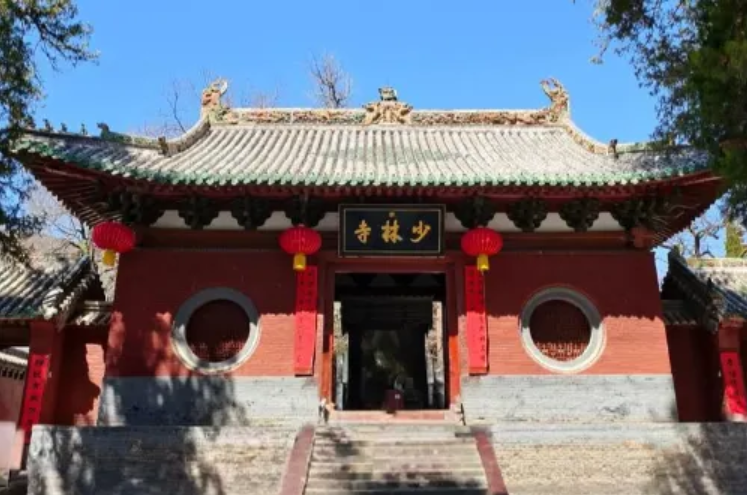
The core building of Shaolin and the place for monks' Buddhist activities, first built in the 19th year of the Taihe era of the Northern Wei Dynasty (495 AD). The three characters "Shaolin Temple" on the temple gate were written by Emperor Kangxi himself. The ancient ginkgo tree in front of the Devaraja Hall is more than 1,500 years old, and the finger-hole marks left by warrior monks practicing finger Zen can still be seen on the tree.
Shaolin Pagoda Forest
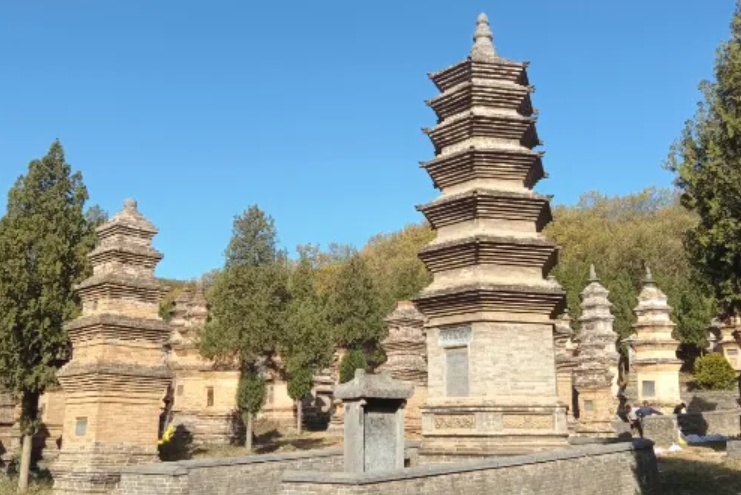
The largest existing group of tomb pagodas in China, with 228 brick and stone tomb pagodas from seven dynasties from the Tang to the Qing dynasties and 3 modern pagodas. Many pagodas bear stone or brick inscriptions, making them important physical materials for the study of ancient architecture and Buddhist culture.
Sanhuangzhai
Located halfway up the western slope of Mount Shaoshi at an altitude of 1,200 meters, it is a representative natural scenic area of the Songshan World Geopark and National Forest Park, with more than 40 landscapes such as Monkey Watching the Sky and Cloud Peak Tiger Roar.
Chuzu An
Built in the Song Dynasty to commemorate Bodhidharma's wall-gazing and seeking of the Dharma, it covers more than 3,000 square meters and was listed as a fourth-batch national key cultural relic protection unit in 1996.
Bodhidharma Cave
A natural stone cave about 7 meters deep and 3 meters wide. It is said that Bodhidharma once practiced wall-gazing here for nine years, and his image was left on the stone wall.
Yongtai Temple
The first nunnery built after Buddhism and Zen Buddhism were introduced to China, and the earliest existing royal nunnery temple in China. It is called the ancestral court of Zen Buddhist nuns.
Tour Routes:
Regular one-day tour route: Enter the scenic area in the morning, visit Shaolin Temple Changzhu Monastery, watch a martial arts performance, and then go to the Pagoda Forest; in the afternoon, take the cableway to Sanhuangzhai, enjoy the scenery of Mount Shaoshi, pass through attractions such as Haohan Slope and South Heaven Gate, and then return to the main gate.
In-depth two-day tour route: On the first day, visit Shaolin Temple Changzhu Monastery and the Pagoda Forest in the morning, and visit Chuzu An and Bodhidharma Cave in the afternoon; on the second day, tour Sanhuangzhai for the whole day and optionally go to Yongtai Temple to fully experience the charm of the scenic area.
Travel Suggestions:
It is recommended to spend 1-2 days, and 2 days for an in-depth experience.
Pay attention to the performance times of the scenic area's martial arts shows in advance and arrange the itinerary reasonably.
There are many mountain roads in the scenic area, so wear comfortable sports shoes or hiking shoes.
In summer, take sun protection measures (sun hat, sunscreen); in winter, keep warm.
Notes:
Photography is prohibited in some attractions; follow the regulations.
Keep quiet when visiting temples and respect Buddhist beliefs and customs.
Follow directions when taking the cableway and obey safety regulations.
There are few restrooms on Mount Shaoshi and they may have no water, so take care of this before going up the mountain.
Commodities in the scenic area are relatively expensive. You may bring your own water and snacks, and do not litter.
Transportation:
Self-driving: Navigate to "Songshan Shaolin Scenic Area"; parking fee at nearby parking lots is about 10 yuan.
Public transportation: There are buses to Dengfeng from the passenger transport center bus station next to Zhengzhou Railway Station and the passenger transport east bus station next to Zhengzhou East Railway Station. The journey takes about 1.5 hours; from Dengfeng city area, take a shuttle bus to Shaolin Temple, about one every 20 minutes, with a fare of 5 yuan and a journey of 40 minutes.
Taxi: From Dengfeng city area to the scenic area, about 30 yuan.
Opening Hours:
The scenic area ticket sales time is 7:30-17:30, and the Shaolin Temple opening time is 8:00-17:30.
Tickets:
Ticket price: 80 yuan per person.