Tianlong Mountain Scenic Area is located in Jinyuan District, Taiyuan City, Shanxi Province, about 36 kilometers from the city center. It is a national 5A-level tourist attraction and a provincial-level scenic spot integrating natural scenery, Buddhist culture, and grotto art. The scenic area covers a total area of about 17.98 square kilometers, with the main peak at an altitude of 1,700 meters. It is named after the mountain's winding and undulating terrain, which resembles a soaring giant dragon. With the Tianlong Mountain Grottoes as its core, the scenic area also integrates landscapes such as the Jin Ancestral Temple ancient architectural complex, the Longshan Taoist Grottoes, and Xuanweng Mountain. Among these, the Tianlong Mountain Grottoes are a Major Historical and Cultural Site Protected at the National Level and, together with the Yungang Grottoes and Longmen Grottoes, form an important part of China's three major grotto art treasure houses. The scenic area has a forest coverage rate of over 80% and a cool climate. In summer, the average temperature is 5-7°C lower than that of the city proper, making it a famous summer resort and cultural tourism attraction around Taiyuan.
Historical Culture
The Buddhist cultural history of Tianlong Mountain can be traced back to the Eastern Wei period. During the Northern Qi period, it became a royal Buddhist holy site. Emperor Wenxuan, Gao Yang, built Tianlong Temple here (now Shengshou Temple) and opened grottoes. During the Sui and Tang dynasties, the construction of the Tianlong Mountain Grottoes reached its peak. Especially in the Tang Dynasty, with imperial support, a large number of statues with distinctive characteristics of the era were carved, forming the "Tianlong Mountain style" of sculptural art, known for its plump figures, smooth lines, and fine carving. It had a profound influence on Buddhist art in East Asian countries such as Japan and Korea.
The Tianlong Mountain Grottoes currently have 25 caves, more than 500 statues, and rich remains such as reliefs, caissons, and murals. However, in the 1920s, the grottoes were looted and carved on a large scale. More than 200 statue heads and components were taken overseas and are now scattered in museums in Europe, America, Japan, and other countries. After the founding of New China, the grottoes underwent multiple rounds of protection and restoration. In recent years, through international cooperation, some lost cultural relics have been returned. In 2021, the "Tianlong Mountain Grottoes Buddha Head Return Exhibition" attracted widespread attention and became an important case in cultural heritage protection. Shengshou Temple, as the main surviving ancient architectural complex in the scenic area, was first built in the Northern Qi period. The existing buildings were rebuilt during the Ming and Qing dynasties. The temple preserves precious cultural relics such as Tang Dynasty stone inscriptions and Song Dynasty iron Buddhas.
Main Attractions
Tianlong Mountain Grottoes
The Tianlong Mountain Grottoes are the core attraction of the scenic area, distributed on the southern slopes of the east and west peaks, with 8 caves on the east peak, 13 caves on the west peak, and another 4 caves distributed in the surrounding mountain bodies. The carving of the grottoes began in the fourth year of Xinghe in the Eastern Wei period (542) and continued through the Northern Qi, Sui, Tang, and other dynasties. Among them, Cave 9 (Great Buddha Cave) is the largest cave, with the main Buddha 11 meters high, seated cross-legged on a Sumeru pedestal. It is a representative work of Tang Dynasty sculpture, with a full face and smooth drapery, embodying the artistic pursuit of "expressing spirit through form." The "flying apsaras" relief in Cave 2 and the Bodhisattva statue in Cave 10 are both famous for their exquisite modeling. In 2020, after digital restoration and protection projects, the scenic area implemented restricted opening for some caves. Visitors can closely view Caves 3, 4, 5, 8, and others through a glass walkway, and at the same time learn about the history and return process of the stolen cultural relics through multimedia guides.
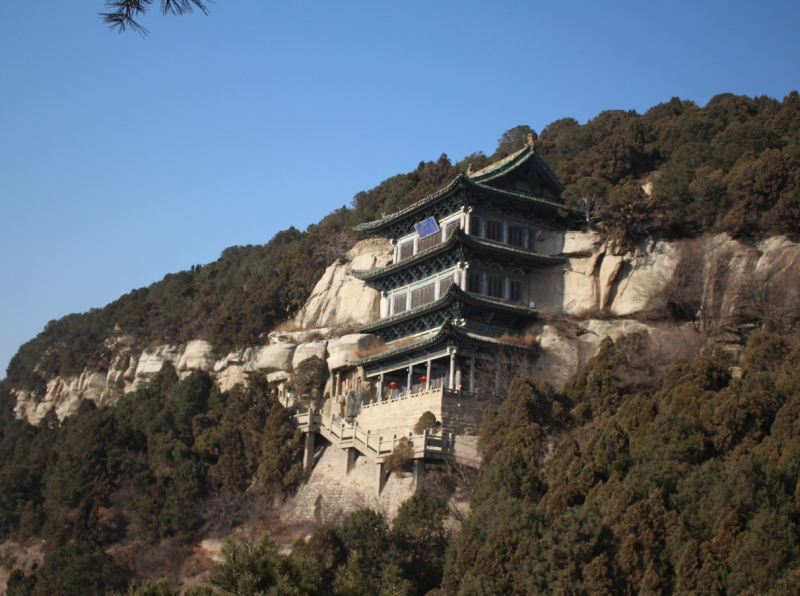
Shengshou Temple
Shengshou Temple is located at the foot of the east peak of Tianlong Mountain and is the oldest ancient architectural complex in the scenic area, covering an area of about 8,000 square meters. It faces south and consists of the mountain gate, Mahavira Hall, Guanyin Hall, Ksitigarbha Hall, bell tower, drum tower, and others. The Mahavira Hall in the temple is a Ming Dynasty building, five bays wide and three bays deep, with a single-eave hip-and-gable roof. It enshrines the "Three Buddhas of the Horizontal Worlds," with statues of the Eighteen Arhats on both sides. The "Tianlong Mountain Shengshou Temple Stele" preserved in the temple was erected during the Kaiyuan period of the Tang Dynasty and records the historical evolution of the temple. The Song Dynasty iron-cast Guanyin statue is about 2 meters high and weighs 5 tons. It has a dignified appearance and is a rare large iron Buddha statue in North China. In front of the temple is a thousand-year-old ancient cypress with a trunk circumference of 5 meters. It is said to have been planted during the Northern Qi period. Its luxuriant branches and leaves have witnessed the rise and fall of the temple.
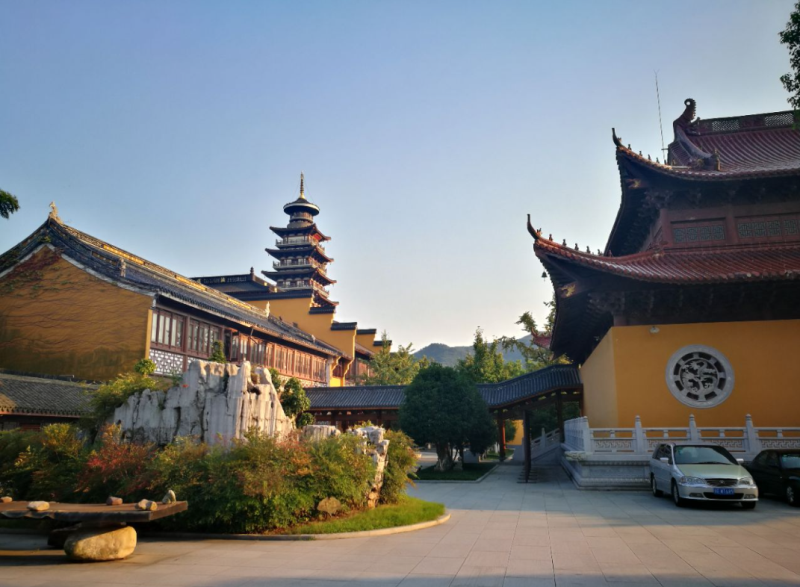
Tianlong Mountain National Forest Park
Tianlong Mountain National Forest Park covers most of the scenic area. It is mainly composed of coniferous and broad-leaved forests, with more than 300 plant species, including Chinese pine, oriental arborvitae, mountain peach, and mountain apricot. In spring, mountain flowers bloom; in autumn, the forest is dyed in layers; and the scenery varies in all four seasons. The park has a ring road and walking trails, totaling about 15 kilometers, connecting the main attractions. Among them, the "Tianlong Mountain Tourist Special Road" is known as the "Cloud Road." Some sections are elevated bridges and tunnels winding among the mountains. Driving or walking on it allows one to overlook the scenery of the Taiyuan Basin, making it a popular filming location for photography enthusiasts. The park is also home to wildlife such as pheasants, hares, and squirrels, with an excellent ecological environment.
Liuzhi Valley
Liuzhi Valley is located on the west side of the west peak of Tianlong Mountain. It is a natural canyon about 3 kilometers long, named after the legend that Liu Xiazhi, a leader of a slave uprising during the Spring and Autumn period, once operated here. The valley has murmuring streams, cliffs on both sides, and jagged rocks, with natural landscapes such as "One-Line Sky" and "Echo Wall." Walking up the trail in the valley leads to the western peak grotto group. Rest pavilions and viewing platforms are set up along the way, making it suitable for hiking. In summer, when rainfall is abundant, several small waterfalls form in the valley, cool and pleasant; in winter, ice waterfalls form, crystal clear and offering a different scene. At the entrance of the valley is the "Liuzhi Culture Exhibition Hall," which displays historical legends and local folk customs related to Liu Xiazhi.
Jin Ancestral Temple
The Jin Ancestral Temple is located about 10 kilometers northeast of the Tianlong Mountain Scenic Area. It is the most famous ancient architectural complex in the Taiyuan area and forms a "landscape humanities" linked tourism route with Tianlong Mountain. The Jin Ancestral Temple was first built in the Western Zhou Dynasty to commemorate Tang Shuyu, the founder of the State of Jin. Most of the existing buildings were built during the Song, Ming, and Qing dynasties. With the Sacred Lady Hall, Fish Pond Flying Beam, and Offering Hall as the core, the Song Dynasty maidservants' statues in the Sacred Lady Hall and the cross-shaped stone bridge of the Fish Pond Flying Beam are masterpieces of ancient Chinese architecture and sculpture. The Jin Ancestral Temple and Tianlong Mountain both belong to the Taiyuan West Mountain cultural belt. Tourists often visit them together to fully experience Taiyuan's historical and cultural heritage.
Food
Taiyuan Tounao
Taiyuan Tounao is a traditional breakfast around the scenic area and in Taiyuan City, also known as "Eight Treasures Soup." It is made by simmering ingredients such as astragalus, mutton, lotus root, Chinese yam, astragalus, and galangal, and is eaten with "maohe" (a type of baked flatbread). It has the effect of nourishing and strengthening the body. It is said to have been created by Fu Shan, a medical scientist in the late Ming and early Qing dynasties, to help his mother recuperate, and later became a specialty food of Taiyuan. At the time-honored restaurant "Qinghe Yuan" in Jinyuan District (about 20 kilometers from the scenic area), a bowl of tounao costs about 25 yuan. It is usually served in the early morning, suitable for autumn and winter, and provides energy for mountain climbing and sightseeing.
Guoyou Rou
Guoyou Rou is a classic famous dish of Shanxi and is commonly seen in farmhouse restaurants near the Tianlong Mountain Scenic Area. It uses pork tenderloin, sliced and coated in batter, quickly fried in oil, and then stir-fried with wood ear mushrooms, winter bamboo shoots, and cucumber slices. It is golden in color, soft outside and tender inside, and moderately salty and fresh. The key to Guoyou Rou lies in controlling the heat to ensure the meat slices are neither dry nor greasy. A serving of Guoyou Rou at restaurants around the scenic area costs about 45 yuan. Eaten with Shanxi braised noodles or rice, it is a dish tourists often order, reflecting the characteristics of Jin cuisine: "mainly salty and savory, with sour and sweet as supplements."
Guanchang
Guanchang is a traditional snack in the Taiyuan area and can be tasted in village and town markets at the foot of Tianlong Mountain. It uses buckwheat flour as the raw material, mixed with water into a paste, steamed, and then cut into pieces. It can be eaten cold or stir-fried. Cold guanchang is served with vinegar, garlic water, and chili, refreshing and tasty; stir-fried guanchang is cooked with bean sprouts and chives, with a chewy texture. A serving of guanchang costs about 8 yuan. It is a daily snack for local people and an economical choice for tourists to experience local flavors. The fragrance of buckwheat and the sour and spicy seasonings complement each other.
Tickets:
Through ticket: 110 yuan/person.
You can search for the official WeChat public account "Jinci Tianlong Mountain Scenic Area Official WeChat" to get the latest updates or buy tickets online.
Opening Hours:
Opening hours are: April 1 to October 31 (peak season) 8:00-18:00, last entry at 17:00; November 1 to March 31 of the following year (off-season) 9:00-17:00, last entry at 16:00. The grotto area is closed for maintenance every Monday (except statutory holidays). It may be temporarily closed in extreme weather (such as heavy rain or strong wind). Please refer to the scenic area announcement for specifics.
Tour Routes:
One-day tour route: Arrive at the scenic area entrance before 9:00 a.m., take the scenic area sightseeing bus (one-way 10 yuan) to the western peak grotto area, visit major caves such as Cave 9 (Great Buddha Cave) and Cave 2 (Flying Apsaras Relief), and learn about the sculptural art and history through the guide, taking about 2 hours; at 11:30, go to Shengshou Temple, visit the ancient architectural complex, Tang Dynasty stone inscriptions, and Song Dynasty iron Buddha, and experience Buddhist culture, taking 1 hour; have lunch at "Tianlong Mountain Villa" in the scenic area, tasting local dishes such as Guoyou Rou and wild vegetable balls; at 13:30 p.m., hike through Liuzhi Valley, enjoy the canyon scenery, and reach the western peak summit viewing platform to overlook the panorama, taking about 2 hours; return to the scenic area entrance at 16:00, ending the trip.
Linked route: On the first day, visit the Tianlong Mountain Scenic Area and stay overnight in Jinyuan District; on the second day, go to the Jin Ancestral Temple (about 30 minutes by car), visit the Jin Ancestral Temple ancient architectural complex in the morning, and visit the Jin Ancestral Temple Museum in the afternoon to learn about the history of the State of Jin, then return to downtown Taiyuan in the evening, experiencing the natural and cultural landscapes of the West Mountain cultural belt throughout the trip.
Transportation:
Self-driving: Depart from downtown Taiyuan, drive along West Middle Ring Road and Taigu Expressway to Jinyuan District, then turn onto the Tianlong Mountain Tourist Special Road directly to the scenic area. The total distance is about 36 kilometers, and the drive takes 1 hour; the scenic area parking lot charges 10 yuan per time (small vehicles). Some sections of the tourist special road are one-way, so pay attention to traffic signs.
Public transportation: Take Bus 308 from Taiyuan City Stadium Station to Jinyuan Station (1.5 hours, fare 3 yuan), then transfer to the Jinyuan-Tianlong Mountain special minibus (departing daily at 9:00 and 10:00, 40 minutes, fare 10 yuan); or take the tourist direct bus from Taiyuan South Railway Station (departing daily at 8:30, including tickets and transportation, about 120 yuan/person).
Internal transportation in the scenic area: Traffic control is implemented in the scenic area. Private cars must be parked in the parking lot at the foot of the mountain. Tourists need to take the scenic area sightseeing bus between attractions. The sightseeing bus through ticket is 30 yuan/person (including round trip), and you can get on and off at any station.
Must-Visit Attractions:
Tianlong Mountain Grottoes: 25 caves and more than 500 statues, especially the 11-meter-high Great Buddha in Cave 9 of the Tang Dynasty and the flying apsaras relief in Cave 2, representing the artistic peak of the "Tianlong Mountain style" and an important piece of evidence for studying Chinese Buddhist art.
Shengshou Temple: A Buddhist temple first built in the Northern Qi period, with an 8,000-square-meter ancient architectural complex, preserving cultural relics such as Tang Dynasty stone inscriptions and Song Dynasty iron Buddhas. It is an important place for understanding the history of Buddhist development at Tianlong Mountain.
Liuzhi Valley: A 3-kilometer-long natural canyon, with streams, cliffs, and vegetation forming an original ecological landscape. The hiking route is moderately difficult and suitable for experiencing mountain wildness and natural beauty.
Travel Suggestions:
The best seasons for visiting are May-June (mountain flowers in bloom) and September-October (clear autumn air). In summer, bring sunscreen and mosquito repellent. In winter, some sections may freeze, so wear slip-resistant shoes.
The details of the grotto statues are rich. It is recommended to rent an electronic guide device (20 yuan/unit) or hire a scenic area guide (50 yuan/time, within 10 people) to gain an in-depth understanding of the artistic value and historical background and avoid a superficial visit.
Dining suggestions: There are few dining options in the scenic area, so you can bring dry food; or go to Jinyuan District for meals. Time-honored restaurants on "Jinyuan Old Street" are recommended. In addition to tounao, you can also taste snacks such as "lamb offal soup" (about 15 yuan/bowl).
Photography suggestions: Shoot grotto statues in the soft morning light (must comply with the prohibition on flash), shoot the streams and reflections in Liuzhi Valley before 10 a.m., and shoot the sunset and mountain silhouettes on the elevated bridge of the Tianlong Mountain Tourist Special Road in the evening.
If you are interested in cultural heritage protection, you can pay attention to the scenic area's "Digital Grottoes" project and experience virtual tours of closed caves through VR equipment, making up for the regret that some caves are not open.
Precautions:
In the grotto area, do not touch the statues or write graffiti, and do not use flash photography. You must follow the principle of "protection first" and cooperate with staff management.
Some sections of the Liuzhi Valley hiking route are steep. Wear comfortable hiking shoes and carry drinking water (it is more expensive in the scenic area). In summer, beware of mosquitoes and snakes.
The climate in the scenic area varies greatly. Even in summer, bring a light jacket; in winter, it is cold and some sections are closed, so it is advisable to check the opening situation in advance.
The tourist special road has many curves. Drive cautiously when self-driving and obey traffic directions; public transportation has few trips, so it is advisable to confirm the return time in advance to avoid being stranded.
Respect local religious customs. When entering Shengshou Temple, dress appropriately (do not wear shorts or short skirts), keep quiet, and do not touch Buddha statues or offerings at will.