Hunan Museum is located at No. 50 Dongfeng Road, Kaifu District, Changsha City, Hunan Province. It sits in the central area of Changsha, at the northwest corner of Changsha Martyrs' Park. It is the largest history and art museum in Hunan Province, as well as a regional museum. The total area of the museum complex reaches 112,469 square meters, of which the main exhibition building covers 91,252 square meters, the South Branch covers 10,408 square meters, and the Miluo base under construction covers 8,896.3 square meters. As one of China's first batch of national first-class museums and one of the eight national key museums jointly built by the central and local governments, Hunan Museum occupies an important position in the field of cultural relics and museology.
History and Culture
The history of Hunan Museum can be traced back to 1897, the 23rd year of the reign of Emperor Guangxu of the Qing Dynasty, when the Chenzhou Society established the Chenzhou Society Museum, which unfortunately ended with the failure of the Hundred Days' Reform. In 1904, the 30th year of the reign of Emperor Guangxu of the Qing Dynasty, under the advocacy of Hunan Governor Zhao Erxun, gentry such as Liang Huankui and Long Fuirui raised funds to establish a museum in the provincial capital, sharing premises with a library and an educational hall. Its full name was "Hunan Library and Educational Museum," mainly displaying human and animal models. About one year after opening, the educational museum portion was abolished. In June 1924, the 13th year of the Republic of China, the Hunan Provincial Education Association Museum opened. In March 1951, the preparatory office of Hunan Provincial Museum was established at Baiqin Garden on Liufangling in Changsha. In 1956, Hunan Provincial Museum was completed and opened in Martyrs' Park in the northwest of Changsha.
In the early days of its establishment, with the goal of building a "regional museum," it carried out the collection and display of cultural relics and specimens, and held six major exhibitions, including "Hunan Mineral Resources," "Hunan Agricultural Resources," "Hunan Handicrafts," and "Hunan Chu Cultural Relics." From 1972 to 1974, the excavation of the Mawangdui Han Tombs became an important milestone in the museum's development. Thousands of exquisite cultural relics and a well-preserved Han dynasty female corpse were unearthed, making the museum a global focus and greatly enhancing its collections and exhibition standards. Thereafter, the museum gradually shifted from placing equal emphasis on natural and historical collections and displays to focusing mainly on historical collections and displays. In 1999, the new exhibition building was completed. On November 29, 2017, the new museum was officially opened to the public. On July 30, 2022, Hunan Provincial Museum was officially renamed Hunan Museum.
Main Attractions
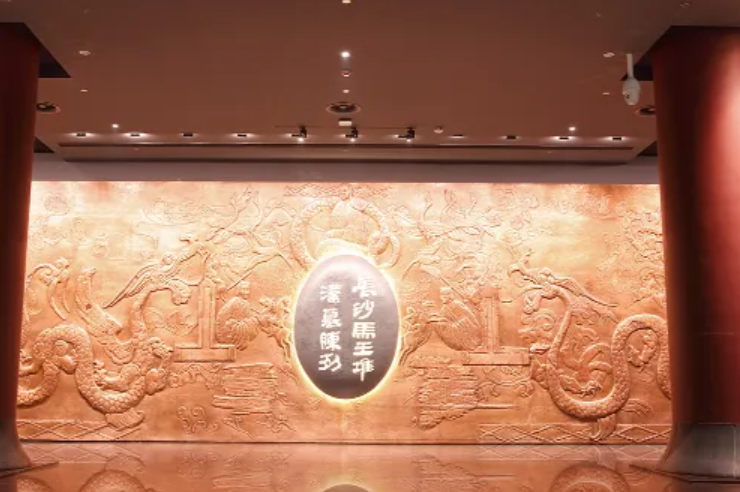
Changsha Mawangdui Han Tombs Exhibition
Located in the exhibition hall on the 3rd floor of the museum, with an area of 5,243.8 square meters, it is divided into the preface hall and four units: Astonishing Excavation, Life and Art, Bamboo Slips and Silk Manuscripts, and Dream of Eternal Life. It displays a large number of precious cultural relics unearthed from the Mawangdui Han Tombs, such as the plain yarn garment and the T-shaped silk painting from Mawangdui Han Tomb No. 1, vividly presenting the life and culture of the Han dynasty.
Hunan People — Exhibition of Huxiang History and Culture
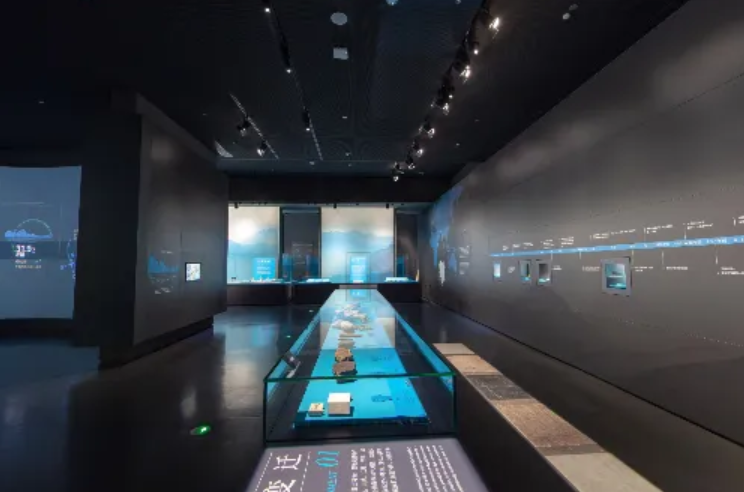
Located in the exhibition hall on the 2nd floor of the museum, it presents the history and culture of Hunan from the first-person perspective of "Hunan people." The first part, "Homeland," interprets the natural environment and development outline of the lives of Hunan people; the second part, "Where Do I Come From," tells of the formation of the current residents of Hunan; the third part, "Land of Fish and Rice in Dongting," shows the ways in which Hunan people obtain livelihood resources; the fourth part, "Footprints of Life," presents living conditions and customs in different historical periods; and the fifth part, "Soul of Hunan," interprets the spiritual temperament of Hunan people.
Bronze Exhibition Hall
The museum displays numerous Shang and Zhou dynasty bronze wares, such as the human-faced square ding. These bronzes have unique shapes and exquisite craftsmanship, reflecting the advanced casting technology and cultural connotations of the time.
Ceramics Exhibition Hall
It displays fine ceramics from successive dynasties. From ancient times to the present, monochrome glazed porcelain and other works can be seen here, reflecting traditional Chinese aesthetic concepts and the development process of ceramic craftsmanship.
Painting and Calligraphy Exhibition Hall
It collects and displays a large number of painting and calligraphy works, covering different dynasties and styles, presenting the charm of painting and calligraphy art to visitors.
Crafts Exhibition Hall
It displays various exquisite handicrafts, showcasing the traditional craft level and artistic characteristics of the Hunan region.
Suggested Visiting Route:
You may first go to the 2nd floor to visit "Hunan People — Exhibition of Huxiang History and Culture" to gain a comprehensive understanding of Hunan's historical and cultural context; then go to the 3rd floor to view the "Changsha Mawangdui Han Tombs Exhibition" and appreciate the splendor of the Han dynasty; afterward, visit the bronze, ceramics, painting and calligraphy, and crafts exhibition halls in turn to enjoy various precious cultural relics and works of art. During the visit, you may conduct in-depth appreciation of key exhibits according to personal interests. The entire visit is expected to take 3 to 5 hours.
Visiting Suggestions:
Book tickets in advance on the official platform to avoid being unable to visit because tickets are sold out.
Before visiting, you can learn about the background knowledge of the exhibits through the museum's official website or related books to enhance the visiting experience.
You may rent interpretation equipment or join scheduled guided tours to better understand the history and culture behind the cultural relics.
Smoking and loud noise are prohibited in the museum. Please observe museum visiting order and take care of cultural relics and public facilities.
Notes:
Please do not bring flammable and explosive materials, controlled knives, or other dangerous items into the museum.
Please do not use flash when taking photos, so as not to damage the cultural relics.
There is a dining area in the museum, but bringing your own food into the exhibition halls for consumption is prohibited.
In case of emergency, follow the instructions of museum staff and evacuate in an orderly manner.
Transportation:
Bus: You can take buses such as No. 112, 131, 136, 146, 150, 358, and 901, and get off at the Provincial Museum stop.
Subway: Take Subway Line 6, exit from Exit 3 of Martyrs' Park West Station, and walk about 800 meters to arrive.
Self-driving: There are parking lots around the museum, but parking may be relatively tight during peak tourist seasons, so green travel is recommended.
Opening Hours:
Open from 9:00 to 17:00 every Tuesday to Sunday, with entry stopping at 16:00. Closed every Monday (except national statutory holidays).
Tickets:
A free-but-not-ticketless policy is implemented, and tickets need to be reserved in advance through the official WeChat account. After successful reservation, enter the museum with valid identity documents within the reserved time period.