Lalikun National Wetland Park is located in Yawa Township, Moyu County, Hotan Prefecture, Xinjiang Uygur Autonomous Region, on the southern edge of the Taklamakan Desert. It is a national 4A-level scenic area. The scenic area has distinctive features, integrating reservoir wetlands, reed marshes, and desert landscapes. It has diverse ecosystems such as wetlands and sandy land, and is rich in animal and plant resources. The wetland types are diverse, including marshes, rivers, lakes, and reservoirs. It is an ecological security barrier for the sandy land of Moyu County and even the Hotan Prefecture. The total planned area of the scenic area is 13,000 hectares, with a wetland area of 5,880 hectares, of which the river wetland area is 448 hectares. During the construction period, the park had a total investment of 198.0258 million yuan, and facilities such as a visitor center, ecological parking lot, RV camping base, and public tourist toilets were built.
Historical Culture
Before becoming a wetland park, Lalikun was called "Jiankengzi" by the local people. It was mainly used to discharge water left over from local farmers' irrigation. Because the alkali content of the revetment along the bank was too high, it formed a "hard shell." In 2012, Lalikun Wetland began comprehensive protective development and construction. Moyu County adopted investment promotion methods and invested 360 million yuan in its protective development. In December 2018, with the approval of the State Forestry Administration, the Lalikun Wetland Park in the lower reaches of the Karakash River in Moyu was designated a national wetland park. After years of careful management and protection, the vegetation in Lalikun Wetland has been restored, and the number and variety of wild animals and plants have increased significantly, making it an important local ecological barrier and an important stopover for migratory birds.
Main Scenic Spots
Wetland Conservation Area
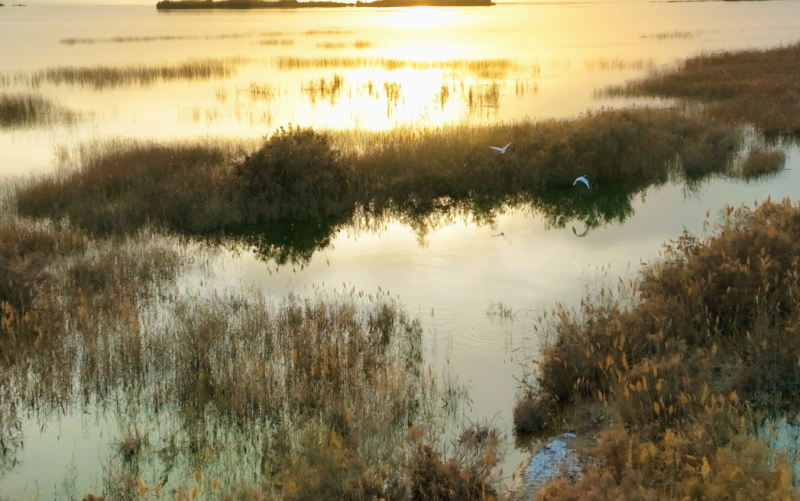
It is the core area of the park's ecosystem and provides a good habitat for many wild animals. It contains a large number of plants such as reeds and red willows, as well as national key protected wild animals such as the black stork and black-necked crane.
Wetland Restoration and Reconstruction Area
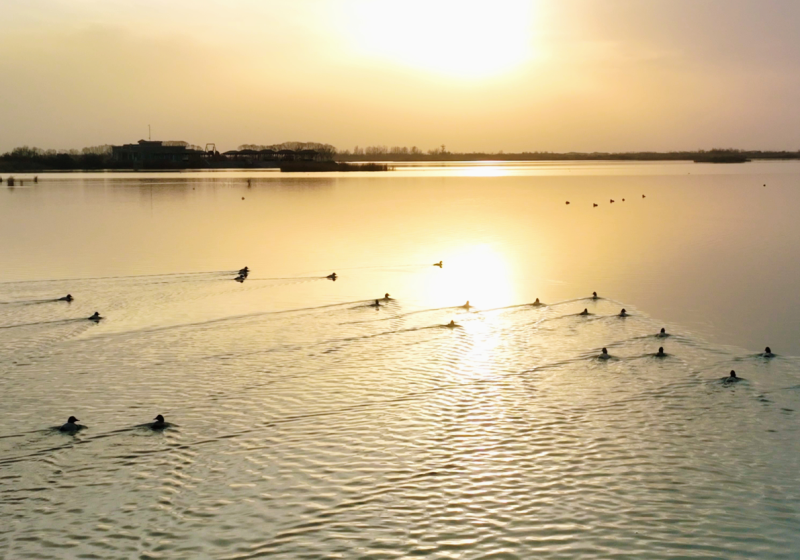
Through measures such as dredging, sewage interception and pipe network management, and biological treatment, the damaged wetland ecosystem has been restored and reconstructed. It now presents a scene of lush aquatic plants and flocks of water birds.
Education and Exhibition Area
It is equipped with facilities such as a wetland science popularization experience center, science popularization hall, and cultural center. Through static displays, dynamic viewing, and other methods, it promotes wetland ecological knowledge and protection concepts to tourists.
Rational Utilization Area
It includes a leisure experience center, indoor water leisure hall, desert leisure area, sand sports area, and more. Tourists can engage in leisure and entertainment activities here, such as fishing by the lake, boating, and experiencing sand sports in the desert.
Management Service Area
It has facilities such as a visitor center, ecological parking lot, and public tourist toilets, providing tourists with comprehensive services and meeting their basic needs.
Food
There are some specialty foods around Lalikun National Wetland Park.
Three Eggs and One Star
Includes roasted chicken eggs, roasted goose eggs, and roasted pigeon eggs. It is nutritious and has a unique taste.
Watermelon Roasted Meat
Lamb is placed inside a watermelon and roasted. The lamb is tender and carries the fresh fragrance of watermelon.
Red Willow Skewer Roast Meat
Lamb is skewered on red willow branches and roasted. The meat has the aroma of red willow, giving it a distinctive flavor.
Roasted Squab, Roasted Whole Lamb
The outer skin is golden and crispy, and the meat is tender and juicy, full of aroma.
Specialty Roasted Fish
Uses local fresh fish, and after special marination, it is roasted and tastes delicious.
Roasted Pumpkin
Known as the "longevity melon and fruit," it is sweet, soft, and glutinous after roasting.
Yogurt Zongzi
Zongzi paired with yogurt has a sweet and sour taste and is refreshing and greasy-relieving.
Fresh Pomegranate Juice
Made by pressing fresh pomegranates. It has a rich taste and is nutritious.
Tickets:
Free admission.
Opening Hours:
The scenic area is open all day.
Tour Route:
Tourists can first go to the visitor center in the entrance comprehensive service area to learn about the scenic area. Then they can go to the wetland science popularization experience area to visit the bird rescue center, birdwatching houses, and other facilities. Next, they can go to the central leisure area to experience facilities such as the wetland science popularization experience center and leisure experience center. After that, they can go to the desert adventure tour area to experience the desert starry sky camp, sand sports area, and more. Finally, at the ecological corridor's viewing platforms, science popularization corridor, and other places, they can enjoy the wetland scenery and learn about wetland culture.
Transportation:
By plane: 35 kilometers from Hotan Airport. You can take a taxi to the scenic area at the airport.
By train: 31 kilometers from Moyu Railway Station. After getting off, you can take a taxi to the scenic area.
By car: You can reach Moyu County via National Highway 315, and then navigate to the scenic area according to the navigation. The scenic area is 8 kilometers from National Highway 315.
Must-Visit Attractions:
Wetland Conservation Area: It is the core area of the park. You can observe rich wild animal and plant resources up close and experience the primitive wetland ecological environment.
Education and Exhibition Area: Through various displays and experience activities, you can gain an in-depth understanding of the wetland's ecological functions, protection significance, and local ecological culture.
Desert Adventure Tour Area: You can experience the vastness and magnificence of the desert, participate in sand sports, and feel the unique landscape where desert and wetland intertwine.
Travel Suggestions:
It is recommended to spend one day touring to fully appreciate the various scenic spots and landscapes in the scenic area.
Bring binoculars to facilitate viewing distant birds and other wild animals.
Take sun protection and mosquito prevention measures. Summer temperatures are relatively high, and there are many mosquitoes.
When participating in sand sports, pay attention to safety and follow the guidance of staff.
Precautions:
Protect the environment, do not litter, and keep the scenic area clean.
Observe the scenic area's regulations and do not enter unopened areas at will.
Respect local customs and religious beliefs.
When observing wild animals, do not make loud noises to avoid disturbing them.