The Chengdu Jinsha Site Museum is located in Qingyang District, Chengdu, Sichuan Province, and is a national 4A-level tourist attraction. As an archaeological museum dedicated to protecting, researching, and displaying Jinsha culture and ancient Shu civilization, it covers an area of 300,000 square meters, with a total floor area of about 40,000 square meters. The scenic area features unearthed gold artifacts, jade objects, ivory, and other precious cultural relics as its core highlights, fully presenting the layout of the ancient Shu kingdom from the 12th century BC to the 7th century BC. It is an important testimony to the ancient civilization center of the upper Yangtze River.
Historical Culture
The Jinsha Site is China's first major archaeological discovery of the 21st century and was rated as one of the "Top Ten Archaeological Discoveries in China in 2001." It is now a Major Historical and Cultural Site Protected at the National Level and one of the first batch of National Archaeological Site Parks. The site dates back about 3,200 to 2,600 years and was very likely another political, economic, and cultural center that arose on the Chengdu Plain after the decline of Sanxingdui civilization. Together with Sanxingdui, it has been included in the "Tentative List of China's World Cultural Heritage."
Important remains such as large building foundations, sacrificial areas, residential sites, and cemeteries have been discovered at the site. Unearthed artifacts include gold objects, bronze objects, jade objects, ivory, and more. Among them, tons of ivory and thousands of wild boar tusks and deer antlers are especially striking. It is one of the sites with the richest unearthed gold and jade objects and the densest concentration of ivory in the world.
The main period of Jinsha culture was from the late Shang Dynasty to the Western Zhou period. Together with the prehistoric city-site group on the Chengdu Plain, the Sanxingdui Site, and the Warring States boat-coffin tombs, it constitutes the four stages of the development of ancient Shu civilization. It proves that the Chengdu Plain was a center of civilization origin in the upper Yangtze River and provides key evidence for the theory of the origin of Chinese civilization as "diverse and integrated."
Main Attractions
Relics Hall
The Relics Hall is the excavation site of large-scale sacrificial activities at the Jinsha Site and is also the most complete and longest-lasting sacrificial remains currently existing in China. The exhibition hall is supported by 15 steel columns and preserves 90% of the unearthed cultural relic area. Visitors can intuitively see the sacrificial scenes of the ancient Shu kingdom and feel the religious atmosphere from 3,000 years ago.
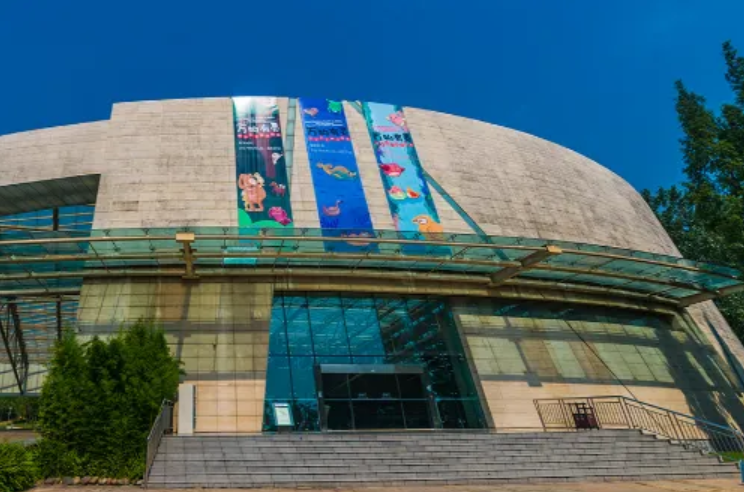
Exhibition Hall
The Exhibition Hall is divided into five galleries: "Ancient Homeland" restores the ecological environment of 3,000 years ago through modern technology; "Silhouettes of the Royal Capital" displays the agricultural life and class differentiation of the ancient Shu people; "Endless Heaven and Earth" recreates mysterious sacrificial rituals; "Rare Treasures Through the Ages" displays the museum's treasures, including the Sun and Immortal Bird gold ornament, gold mask, and ten-section jade cong; "Interpreting Jinsha" sorts out the development thread of ancient Shu civilization and comprehensively presents the historical value of Jinsha culture.
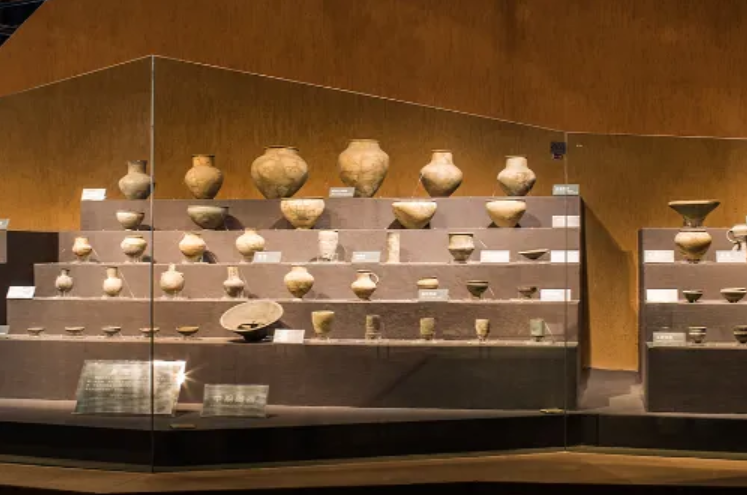
Ebony Forest
The Ebony Forest is located in the southeast corner of the museum and consists of more than 60 pieces of ebony unearthed from the Jinsha Site and the Chengdu area. These ebony pieces, carbonized over thousands of years, bear witness to the ecological changes in the ancient Shu region and are a landscape with both scientific and artistic value.
Jinsha Deer Park
Jinsha Deer Park is a popular attraction for parent-child interaction. Visitors can get close to sika deer here, learn about the symbolic meaning of deer in ancient Shu culture, and experience an atmosphere of harmonious coexistence between humans and nature.
Jade Road
More than 2,000 jade objects have been unearthed from the Jinsha Site, with a huge quantity and rich variety. The Jade Road covers about 1,000 square meters and is composed of large jade stones and numerous small pebbles. It is a favorite playground for children.
Recommended Tour Route:
Recommended route: Main entrance → Relics Hall (visit the ancient Shu sacrificial site) → Exhibition Hall (learn about the cultural relics in the order of "Ancient Homeland → Silhouettes of the Royal Capital → Endless Heaven and Earth → Rare Treasures Through the Ages → Interpreting Jinsha") → Ebony Forest (view the thousand-year-old ebony landscape) → Jinsha Deer Park (parent-child interaction) → Exit. The whole journey takes about 2.5 hours, allowing you to systematically experience the historical thread and archaeological charm of Jinsha culture.
Visiting Suggestions:
Suggested visiting time: spring and autumn (March-May, September-November), when the climate is mild and suitable for outdoor visits.
Book tickets in advance through the official WeChat public account "Chengdu Jinsha Site Museum" to avoid queuing during holidays.
Rent an audio guide (20 yuan per device) or hire a guide (100 yuan per time) to gain a deeper understanding of the historical stories behind the cultural relics.
Carry valid identification such as an ID card to enjoy preferential policies; parent-child visitors may prioritize Jinsha Deer Park and reserve 30 minutes for interaction.
After the visit, you can go to the nearby Chen Mapo Tofu or Shu Jiuxiang Hot Pot to taste Sichuan cuisine and experience in-depth travel combining "food culture."
Notes:
Smoking and touching cultural relics are prohibited in the museum. Please do not use flash when taking photos (especially in the Exhibition Hall).
The floor of the Relics Hall is a glass walkway. It is recommended to wear non-slip shoes and avoid running or pushing.
Feeding your own food in Jinsha Deer Park is prohibited. Please use the feed provided by the scenic area (10 yuan per portion).
There are many visitors during holidays. It is recommended to visit during off-peak hours (fewer people from 9:00 to 11:00 in the morning) and keep your personal belongings safe.
During the pandemic, please comply with the scenic area's epidemic prevention requirements (such as wearing a mask and showing a health code). Specific requirements are subject to the announcements of the day.
Transportation:
Bus: Take routes 7, 82, 83, 100, 105, 123, 147, 212, 339, G58, etc., and get off at the "Jinsha Site Museum Station." It is right there.
Subway: Take Metro Line 7 to "Jinsha Museum Station" and walk about 5 minutes from Exit C.
Self-driving: The museum has an underground parking lot at No. 227 Qingyang Avenue. The parking fee is about 10 yuan per hour.
Opening Hours:
Tuesday to Sunday 9:00-18:00 (last entry at 17:30), closed on Mondays (except statutory holidays). During major events or special circumstances, opening hours may be adjusted, subject to the official announcements of the scenic area.
Tickets:
The ticket price is 70 yuan per person.