The Chongqing Jianchuan Maritime Museum is located on Huangyang Road, Xiejiawan Subdistrict, Jiulongpo District, Chongqing. It is a thematic museum built as part of the Chongqing Jianchuan Museum Cluster and is an important component of the Chongqing Jianchuan Museum, which is a national 4A-level tourist attraction. Centered on the theme of “maritime territory,” the museum focuses on China’s maritime history, coastal defense, marine culture, and the development of its navy. It is one of the few museums in Southwest China dedicated to maritime culture. The museum building was converted from a wartime arsenal site, preserving the architectural style of the industrial heritage. With a total floor area of about 8,000 square meters and an exhibition area of approximately 5,000 square meters, the architecture integrates industrial heritage features with modern museum exhibition functions. The museum houses over 2,000 items (sets) of cultural relics, historical materials, and physical exhibits related to maritime territories, including modern coastal defense equipment, naval gear, historical documents, and ship models, comprehensively presenting the historical evolution of China’s maritime territory and the development of its coastal defense.
History and Culture:
The site of the Chongqing Jianchuan Maritime Museum has a profound industrial history. The Xiejiawan area in Jiulongpo District was once an important plant of the National Government’s Ordnance Administration’s 20th Arsenal during the War of Resistance against Japan. The arsenal supplied large quantities of weapons and equipment to the front lines during the war and is a significant relic of China’s modern industry and national defense industry. The museum was established on this industrial heritage, blending red industrial memory with maritime culture, giving new cultural vitality to the former site.
From the historical perspective of maritime culture, the museum focuses on China’s maritime development since the Ming and Qing dynasties, especially the rise and fall of modern coastal defense and the rise of the modern navy. The historical materials and cultural relics on display clearly present the coastal defense system of the Ming and Qing periods, the crises and struggles in China’s maritime territory after the Opium Wars, the development of the navy during the Republic of China period, and the construction of the People’s Navy from scratch and from weak to strong after the founding of New China. Key historical nodes such as the Sino-Japanese War of 1894–1895, coastal defense operations during the War of Resistance, and major missions of the People’s Navy are covered with relevant objects and materials, making it an important window for displaying China’s maritime history and coastal defense culture.
In addition, the museum emphasizes the national spirit embedded in maritime culture. By showcasing the efforts and sacrifices made by patriots throughout history to defend maritime sovereignty, it highlights the Chinese nation’s firm resolve to safeguard territorial integrity and maritime rights. It also incorporates the contemporary connotation of China’s maritime power strategy, allowing visitors to enhance their maritime awareness and patriotic feelings while learning about history.
Main Attractions
“The People’s Navy Forges Ahead – Folk Memory Exhibition”
This is an important component of the Chongqing Jianchuan Maritime Museum. The exhibition hall covers about 1,300 square meters and displays over 1,500 cultural relics and more than 800 photographs. With a rich collection of relics, images, historical materials, and vivid scenes, it truthfully presents the glorious journey of the People’s Navy. Modern exhibition methods such as sound, light, electricity, and multimedia are used to vividly depict the Navy’s progress alongside New China—from nothing to something, from small to large, from weak to strong, from coastal waters to offshore, from shallow seas to far oceans, and finally to the deep blue.
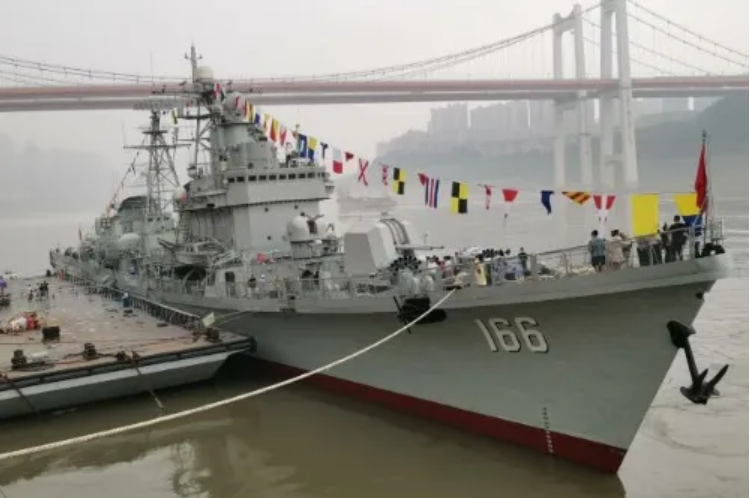
The 166 Destroyer Exhibition and “The Glorious Journey of the 166 Destroyer” Exhibition
Through text, images, multimedia, and other formats, this exhibition reviews the history of the 166 Destroyer from its construction to its honorable decommissioning. It also displays many real objects, including sailors’ daily necessities and shipboard equipment, allowing visitors to relive the glorious years of the 166 Destroyer and experience the spirit of its officers and crew.
Suggested Tour Route:
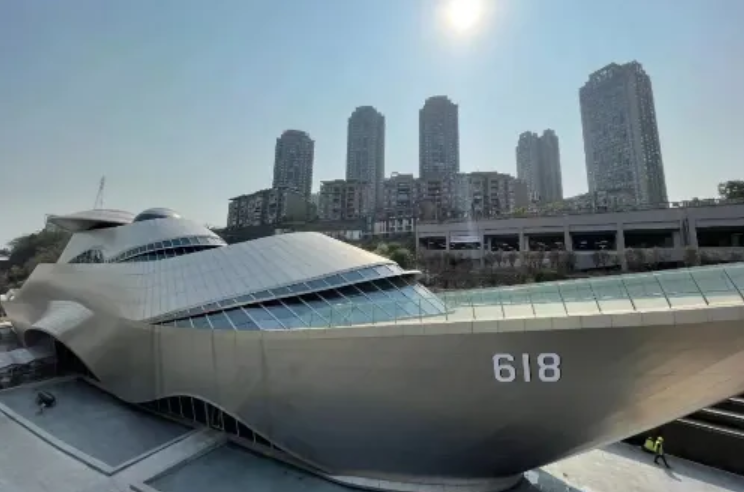
Visit the Maritime Museum’s exhibition (the museum building itself is shaped like a warship, with the hull number 618) to learn about the history of China’s navy → then visit the 166 Destroyer exhibition to learn about its history from construction to decommissioning.
Tour Tips:
The recommended visiting time is about 3 hours. If you plan to visit the entire Chongqing Jianchuan Museum Cluster (including the Maritime Museum, the Ordnance Museum, and other branches), it is advisable to allow a full day.
Spring and autumn (March–May and September–November) offer pleasant weather and are the best seasons to visit. In summer, take precautions against heat; in winter, keep warm.
The museum offers professional guides; it is recommended to book guide services in advance to gain a deeper understanding of the historical background and cultural connotations of the exhibits.
Some interactive activities in the maritime culture experience area require on-site reservation. It is suggested that you make reservations upon arrival and then follow the tour route to avoid missing the experience time.
The museum has a dining area offering light meals and beverages at moderate prices. You may also bring your own drinking water and snacks to recharge during your visit.
Bring a notebook and camera; photography is allowed in most areas (except exhibits marked as no-photography), which is convenient for recording exhibit information and keeping souvenirs.
Important Notes:
The cultural relics and exhibits in the museum are precious historical remains. Do not touch, climb on, or knock them. Do not use flash when photographing exhibits marked as no-photography.
When participating in interactive experience areas, follow the staff’s instructions, take good care of the equipment, and avoid damage.
Smoking, spitting, and littering are prohibited inside the museum. Keep the environment clean.
Maintain quietness during your visit, especially in historical and equipment exhibition areas, and avoid loud noise that may disturb other visitors.
During holidays, the museum may be crowded. It is recommended to visit during off-peak hours, preferably on weekdays between 9:00–10:00 AM or 2:00–3:00 PM.
The museum has barrier-free access and mother-and-baby rooms for visitors with special needs. Visitors with children should supervise them closely and prevent them from running or playing inside the museum.
Transportation:
Bus: Take Chongqing bus routes 207, 223, 233, 412, 413, or 471, get off at Xiejiawan Station or Huangyang Road Station, and walk about 500 meters to the museum entrance.
Metro: Take Chongqing Rail Transit Line 2 to Xiejiawan Station, exit from Gate A, and walk about 800 meters to the museum; or take the Loop Line, transfer to Line 2 at Xiejiawan Station, and follow the same route.
Driving: Self-driving visitors can navigate to “Chongqing Jianchuan Maritime Museum.” A dedicated parking lot is available near the museum.
Opening Hours:
Tuesday to Sunday, 9:00 AM – 5:00 PM, with last admission at 4:30 PM. Closed on Mondays (except for statutory holidays). During statutory holidays, the hours are adjusted to 9:00 AM – 5:30 PM, with last admission at 5:00 PM. On holidays such as the Spring Festival, National Day, and Labor Day, the museum may extend opening hours according to visitor flow; please refer to the museum’s official announcements for specific details.
Admission:
Ticket price: 45 RMB per person.