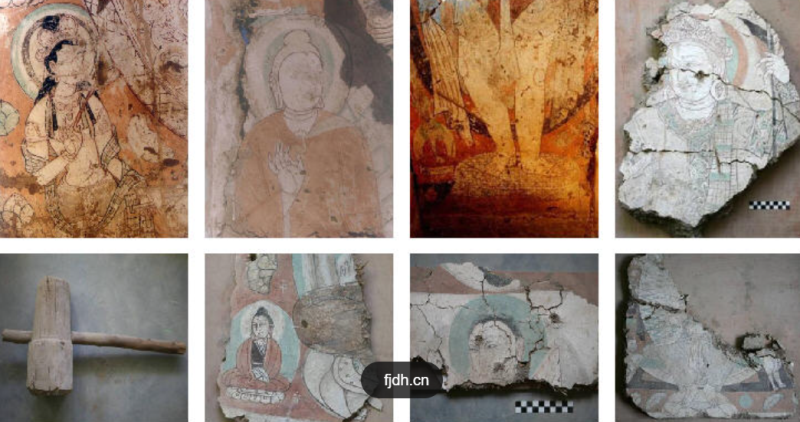
The Dama Gou Buddhist Site Museum is located in Dama Gou Township, Cele County, Hotan Prefecture, Xinjiang Uygur Autonomous Region. It is 30 kilometers from Cele County seat and 4 kilometers from National Highway 315. It is a 4A-level tourist attraction and a nationally protected key cultural heritage site. It was built on the Dama Gou Buddhist Cultural Site discovered in 2000 and opened to the public on August 20, 2007. The museum's distinguishing feature is that it is a condensed landscape of Western Regions Buddhism, displaying a typical Western Regions Buddhist art style. It contains the world's smallest ancient Buddhist temple site discovered to date, with an area of about 4 square meters. It is a relic from the Northern and Southern Dynasties period, dating back 1,500 to 1,800 years.
Historical Culture
During the period between the Western and Eastern Han dynasties, the Dama Gou area was the location of the small Western Regions oasis state of "Pimo," which was later annexed by the Kingdom of Yutian. The place name Dama Gou comes from the Sanskrit word "Dharma" (Chinese "Damo") and the ancient Hotan word affix "kho," which indicates a place, meaning "a place where the Dharma gathers."
This site group carries rich cultural connotations, including Western Regions Buddhist architecture, mural art, sculpture art, Buddhist history, and cultural history. The cultural relics and murals displayed in the museum confirm Tang Dynasty monk Xuanzang's record in the Great Tang Records on the Western Regions that the ancient Kingdom of Yutian had "Buddhist pagodas standing in great numbers and monks gathering in crowds." They also prove that the Hotan region has been a place of exchange and integration among multiple ethnic groups, multiple cultures, and multiple religious beliefs since ancient times.
Main Attractions
Toplukdong No. 1 Buddhist Temple Site
This is the earliest Buddhist temple discovered and excavated. The entire temple is about 2 meters long and about 1.7 meters wide, covering an area of less than 4 square meters, so it is also called the "Small Buddhist Temple." It is inferred to have been first built during the Northern and Southern Dynasties period, when Buddhism flourished. The main Buddha statue in the temple is placed close to the north wall. Its head and hands are missing. It is about 1.4 meters high and sits cross-legged on a lotus platform. Its robes are elegant and flowing, with a typical early Western Regions Buddhist art style. The four walls of the Buddhist hall have remaining exquisite murals. The figures are round and full in form, belonging to the artistic characteristics of the middle and late Tang Dynasty.
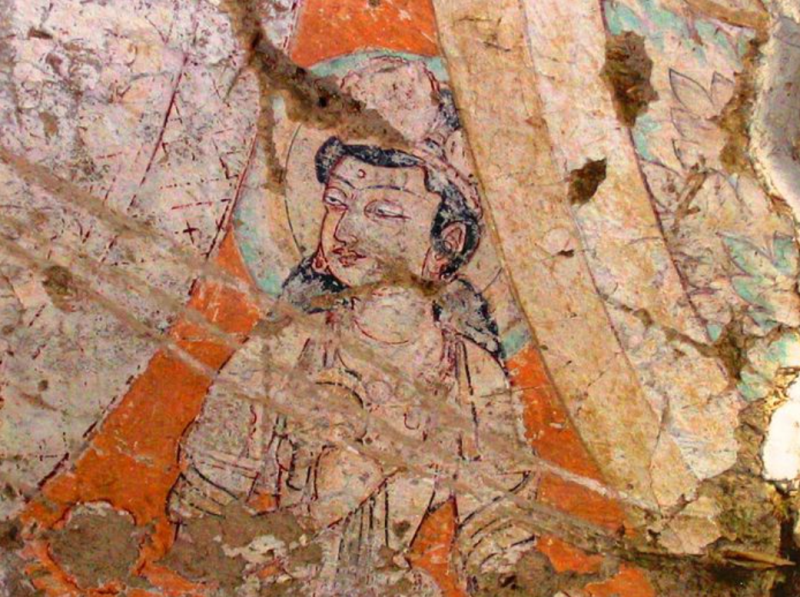
Vaisravana Heavenly King Mural
One of the precious murals in the museum, it displays a unique Buddhist art style and has high artistic value and historical cultural value, vividly reflecting the religious beliefs and social features of the time.
Thousand-Hand Guanyin
An important cultural relic displayed in the museum. Its modeling is exquisite and its craftsmanship is superb, reflecting the unique interpretation of the image of Guanyin Bodhisattva in ancient Buddhist art and containing profound religious cultural connotations.
Three-String Straight-Headed Pipa
One of the representative cultural relics. It witnesses the development of musical culture at that time and is of great significance for studying the evolution of ancient musical instruments and the musical elements in Buddhist culture.
Food
There are currently no particularly notable specialty foods within the scenic area. However, in Cele County and surrounding areas, visitors can taste traditional Xinjiang foods.
Grilled Lamb Skewers
Made with fresh lamb, specially marinated, and grilled over charcoal. They are crispy on the outside and tender on the inside, full of aroma, and sprinkled with cumin, chili powder, and other seasonings, making them very delicious.
Hand-Grabbed Rice
Made by simmering rice, lamb, carrots, onions, and other ingredients together. The rice grains are distinct and absorb the fragrance of the lamb and the sweetness of the carrots. It has a rich texture and is nutritious and delicious.
Grilled Nang
A traditional Xinjiang staple food with many flavors and shapes. It is made from flour, yeast, and other ingredients, with sesame and other toppings sprinkled on the surface, and baked in a nang pit. It has a rich wheat aroma, keeps for a long time, and is easy to carry.
Tickets:
Free admission.
Opening Hours:
Opening hours are 9:00-17:00, open year-round.
Suggested Tour Route:
Visitors can first visit the Toplukdong No. 1 Buddhist Temple Site to experience the unique charm of the world's smallest ancient Buddhist temple and learn about its historical background and architectural features; then enjoy the various murals displayed in the museum, such as the Vaisravana Heavenly King Mural, to appreciate the superb craftsmanship of ancient mural art; then view precious cultural relics such as the Thousand-Hand Guanyin and the Three-String Straight-Headed Pipa to experience the breadth and depth of Western Regions Buddhist culture from different perspectives.
Transportation:
Public transportation: You can first arrive in Cele County, then take a shuttle bus from the county seat to Dama Gou Township. After getting off in Dama Gou Township, you can take a taxi or use local transportation to reach the museum.
Self-driving: Starting from Cele County seat, drive along National Highway 315 and follow the road signs to Dama Gou Township. The museum is 4 kilometers from National Highway 315, and you can reach it by following navigation.
Must-Visit Attractions:
Toplukdong No. 1 Buddhist Temple Site: The world's smallest ancient Buddhist temple, with extremely high historical and cultural value and a unique architectural style. It allows people to experience the Buddhist architectural art of the Northern and Southern Dynasties period up close.
Murals and cultural relics in the museum: Such as the Vaisravana Heavenly King Mural, Thousand-Hand Guanyin, and Three-String Straight-Headed Pipa. These are precious historical and cultural heritage items with extremely high artistic value, vividly displaying the appearance of Western Regions Buddhist culture.
Travel Tips:
The suggested visiting time is 2-3 hours so that you can fully appreciate the cultural relics and sites in the museum.
During the visit, you can follow a guide's explanation to better understand the historical and cultural knowledge behind the sites and cultural relics.
Please protect the cultural relics, do not touch the exhibits, and observe the museum's regulations.
Notes:
Respect local religious beliefs and customs.
Do not make loud noises inside the museum, and maintain a quiet visiting environment.
Pay attention to sun protection and sand protection, especially in summer. The Dama Gou area has strong sunlight and frequent sandstorms.
Visit according to the prescribed tour route and do not enter unopened areas at will.