Hutou Scenic Area is located in Hutou Town, Hulin City, Jixi City, Heilongjiang Province. It is a national 5A-level scenic area, situated on the Sino-Russian border on the left bank of the Ussuri River. It is named after its shape, which resembles a tiger's head. The scenic area features red historical culture, border river scenery, and wetland ecology as its core characteristics, with a total area of 25.8 square kilometers, of which the core scenic area covers about 5.2 square kilometers. The scenic area is rich in historical relics and natural landscapes, including the Hutou Fortress Ruins, a Major Historical and Cultural Site Protected at the National Level, the First Tower of the Ussuri River, and the Guandi Temple. Its architectural style combines military ruins, traditional temples, and modern viewing facilities. This is the place where World War II ended, and it is also an important border tourism node along the Ussuri River, receiving more than 800,000 visitors annually. It is a comprehensive scenic area integrating patriotism education, border sightseeing, and ecological leisure.
Historical Culture
The Hutou area has a long history. Human activity existed here as early as the Neolithic Age. During the Shang and Zhou dynasties, it was inhabited by the Sushen people. In the Tang dynasty, it was incorporated into the territory of Balhae. In the Qing dynasty, it became an important border town. After the "September 18 Incident" in 1931, the Japanese army built the Hutou Fortress here as a military base for attacking the Soviet Union. In August 1945, the Soviet Red Army captured the Hutou Fortress, making this the last battlefield of World War II and ending the six-year course of World War II. It is therefore known as the "Place Where World War II Ended."
The Hutou Fortress Ruins in the scenic area are important evidence of Japanese invasion of China. The existing underground fortification ruins cover about 14,000 square meters and include facilities such as a command post, barracks, and ammunition depot. They were listed as a provincial-level cultural relic protection unit in 1987 and promoted to a Major Historical and Cultural Site Protected at the National Level in 2006. In addition, the Hutou Guandi Temple, built during the Yongzheng period of the Qing dynasty, has a history of nearly 300 years and is the easternmost Guandi Temple in China. It reflects the folk culture and religious beliefs of the border region and was listed as a Major Historical and Cultural Site Protected at the National Level in 2013. Together, these historical relics constitute the scenic area's profound red culture and border historical heritage.
Main Attractions
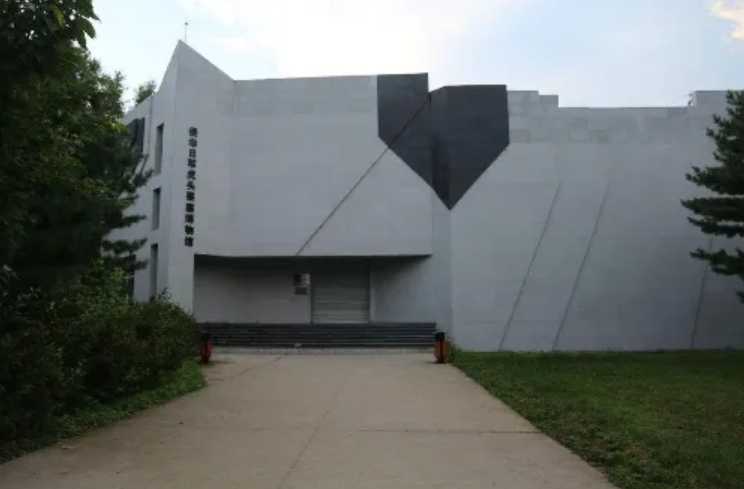
Hutou Fortress Ruins Museum
The Hutou Fortress Ruins Museum is located in the core area of the scenic area, with a building area of about 2,800 square meters. It is divided into an above-ground exhibition hall and an underground ruins section. Through historical photographs, physical exhibits (including more than 300 items such as Japanese weapons, uniforms, and documents), and multimedia means, the above-ground exhibition hall systematically displays the construction process of the Hutou Fortress, the Japanese army's acts of aggression, and the history of the final battle of World War II. The underground ruins section preserves about 800 meters of Japanese underground fortifications, including passages, barracks, and water storage tanks, reproducing the military layout of the fortress at that time. The museum receives about 500,000 visitors annually and is a national patriotism education demonstration base. A visit takes about 1.5 hours.
First Tower of the Ussuri River
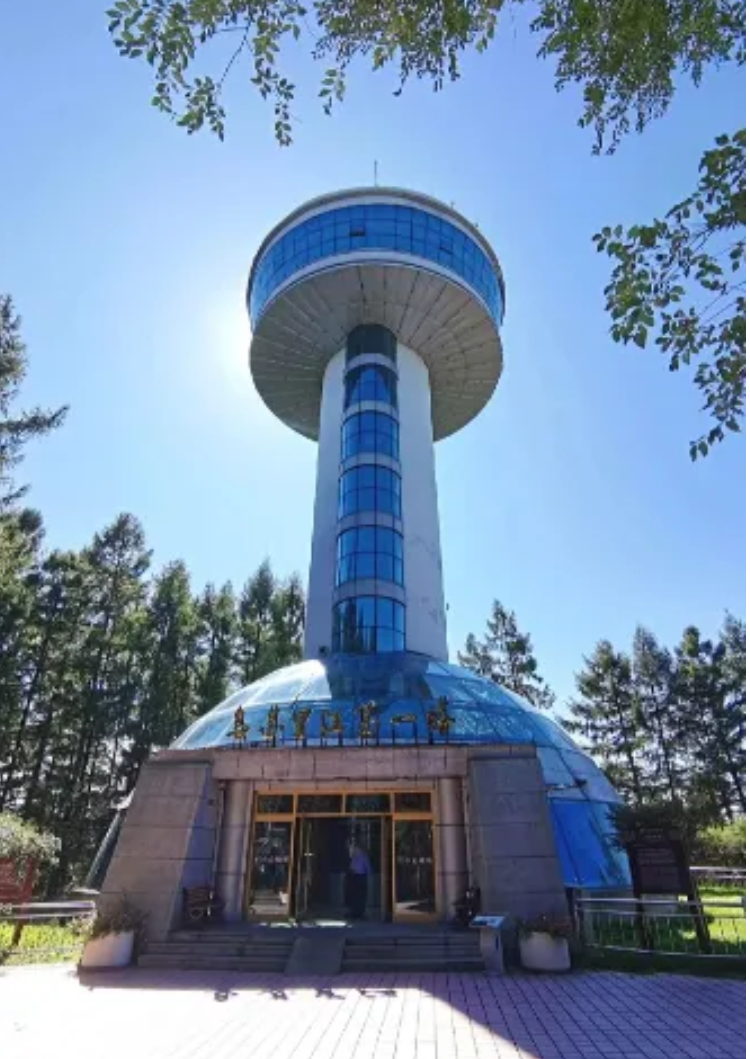
The First Tower of the Ussuri River is a landmark building of the scenic area. It is located on the left bank of the Ussuri River and is 55 meters high, with the viewing platform at an altitude of about 65 meters. It is a reinforced concrete structure. The tower is equipped with an elevator, and visitors can go directly to the top viewing platform to overlook the scenery on both sides of the Ussuri River and the Sino-Russian border towns (the Russian city of Imán). On clear days, the visible distance can reach 10 kilometers. The ground floor of the tower is the Ussuri River Basin Natural Ecology Museum, displaying animal and plant specimens and folk culture exhibits from the river basin. The tower was built in 2007 and is a comprehensive facility integrating sightseeing, science popularization, and border monitoring. The tower admission fee is 30 yuan per person, and the visit takes about 1 hour.
Hutou Guandi Temple
Hutou Guandi Temple was first built during the Yongzheng period of the Qing dynasty (1723-1735). It is the easternmost existing Guandi Temple in China, covering an area of about 850 square meters, with a building area of 160 square meters. It is a traditional quadrangle building with gray bricks and gray tiles, consisting of a main hall, side halls, and a mountain gate. The main hall enshrines statues of Guan Yu, Guan Ping, and Zhou Cang, and the walls are painted with murals of stories from the Romance of the Three Kingdoms, which are well preserved. The temple was a spiritual symbol for border soldiers and civilians in the Qing dynasty praying for peace and resisting foreign aggression, and it is also a witness to cultural exchange along the Sino-Russian border. It was listed as a provincial-level cultural relic protection unit in 1984 and became a Major Historical and Cultural Site Protected at the National Level in 2013. It is open to the public free of charge, and the visit takes about 40 minutes.
World War II End Memorial Park
The World War II End Memorial Park is located south of the Hutou Fortress Ruins, covering an area of about 12,000 square meters. In the park stands the "Monument to the End of World War II," which is 21 meters high, symbolizing the peace of the 21st century. The monument body is made of reinforced concrete, with war reliefs carved on its surface. Through sculptures, inscriptions, memorial walls, and other forms, the memorial park reproduces the historical scenes of the Battle of Hutou Fortress. Among them, the "Last Shot" sculpture vividly depicts the moment when World War II ended. The memorial park was completed in 2005 and is an important place for remembering martyrs and remembering history. It is open to the public free of charge, and the recommended visit time is 1 hour.
Crescent Lake Scenic Area
The Crescent Lake Scenic Area is located about 5 kilometers northwest of Hutou Town. It is named after the lake's crescent shape. Its total area is about 7.2 square kilometers, of which the water area is 2.6 square kilometers. It is a typical wetland lake in the Ussuri River basin. Large areas of wild lotus grow in the lake. In summer (July-August), the lotuses bloom, covering more than a thousand mu, giving it the reputation of "Northern Hometown of Lotuses." Along the lake are a lotus-viewing boardwalk, viewing platforms, and an ecological exhibition hall, displaying wetland animal and plant resources (including rare birds such as red-crowned cranes and oriental storks). In winter, the lake surface freezes, and ice activities can be carried out. The scenic area is linked with the main Hutou scenic area and is an important part of ecological sightseeing. The visit takes about 2 hours.
Recommended Tour Route:
Recommended one-day tour route: Arrive at the scenic area at 8:30 a.m. and first visit the Hutou Fortress Ruins Museum (1.5 hours) to learn about the history of World War II; then go to the World War II End Memorial Park (1 hour) to remember history. At 11:00, climb the First Tower of the Ussuri River (1 hour) to overlook the border river scenery and the Sino-Russian border towns. At noon, taste Ussuri River whitefish at a restaurant near the scenic area. In the afternoon at 13:30, visit Hutou Guandi Temple (40 minutes) to experience traditional culture; at 14:30, go to the Crescent Lake Scenic Area (about 15 minutes by car). In summer, view the lotuses; in winter, experience ice activities (2 hours). At 16:45, return to Hutou Town and visit the border trade market in the town to buy Russian specialties and local mountain goods. The itinerary ends at 17:30. If time permits, you can stay overnight in Hutou Town and experience a Ussuri River cruise the next day (ticket 50 yuan per person, voyage 1 hour).
Travel Suggestions:
Best season to visit: Summer (June-August) has a cool climate, suitable for viewing lotuses and border river scenery, with temperatures around 20-28°C; autumn (September-October) has clear skies and fresh air, with splendid scenery on both sides of the Ussuri River and fewer tourists; winter (December-February) allows you to experience ice and snow landscapes and the winter atmosphere of the fortress ruins, but attention must be paid to cold protection (temperatures around -15 to -25°C).
Tour equipment: In summer, bring sunscreen, mosquito repellent, and rain gear (mountain areas occasionally have showers); in winter, wear down jackets, snow boots, gloves, and other cold-weather gear. Some sections of the scenic area may freeze in winter, so it is recommended to wear non-slip shoes.
Dining suggestions: Restaurants around the scenic area mainly serve fish banquets and farm dishes. It is recommended to dine on the main street of Hutou Town, where prices are transparent; if you want to save money, you can bring dry food and eat in the rest areas of the scenic area, but you must keep the environment clean.
Shopping suggestions: At the border trade market in Hutou Town, you can buy Russian chocolate, honey, binoculars, and other goods, as well as local wild vegetables, black fungus, and other specialties. Be careful to distinguish genuine products and consume rationally.
Suggested tour duration: A one-day tour can cover the core attractions. If you want a deeper experience, you can arrange a two-day tour and add the Hezhe Ethnic Folk Village and the Ussuri River cruise project.
Precautions:
Photography and touching exhibits are prohibited in the Hutou Fortress Ruins Museum. Visitors must follow visiting order and follow staff guidance; the temperature inside the underground fortifications is relatively low (about 15°C in summer), so it is recommended to bring a light jacket.
The Ussuri River is a Sino-Russian border river. When visiting, visitors must comply with border management regulations, must not cross the national border, must not throw objects toward the Russian bank, and should avoid photographing Russian military facilities when taking photos.
In summer, there are many mosquitoes in the wetlands of the Crescent Lake Scenic Area, so mosquito prevention measures are needed; the boardwalk is made of wood and is slippery on rainy days, so visitors should pay attention to safety when walking and not deviate from designated routes.
Some historical relics in the scenic area (such as the Guandi Temple) require quietness. Visitors should respect religious beliefs and cultural customs and not randomly touch cultural relics or statues.
In winter, roads may be covered with snow and ice. When driving, slow down and it is best to install anti-skid chains on the wheels; some outdoor attractions in the scenic area may be temporarily closed due to extreme weather. It is recommended to check the weather and opening information one day in advance.
Transportation:
Long-distance bus: Hulin City Passenger Transport Center has direct buses to Hutou Town, departing every hour from 6:30 to 17:00, with a journey of about 1 hour and a fare of 12 yuan per person; after arriving in Hutou Town, you can walk for 10 minutes to reach the core area of the scenic area, or take a local tricycle (5 yuan per person).
Train: Hulin Station is the nearest railway station to the scenic area (about 65 kilometers from Hutou Town), with trains to and from Harbin, Mudanjiang, Mishan, and other places; after leaving Hulin Station, you can transfer to the above long-distance bus to Hutou Town, with a total journey of about 1.5 hours.
Self-driving: From Hulin City, drive east along the Hurao Highway (S309), with a total distance of about 65 kilometers and a drive of 1 hour. There are "Hutou Scenic Area" signs along the way; from Jixi City, take the Jihu Expressway (S11) and then transfer to the Hurao Highway (S309), with a total distance of about 220 kilometers and a drive of 2.5 hours. Parking in the scenic area is free, and small cars and tour buses can park there.
Border tourism special line: The Hulin City Tourism Bureau has opened a Hutou one-day tour special line, including transportation and tickets. It departs from Hulin City at 8:00 every day and returns at 16:30. The cost is about 150 yuan per person, and it can be booked through travel agencies in Hulin City.
Opening Hours:
The scenic area is open all year round. In peak season (May 1-October 31), opening hours are 8:00-17:30 (last entry at 17:00); in off-season (November 1-April 30 of the following year), opening hours are 9:00-16:30 (last entry at 16:00). Among them, the Hutou Fortress Ruins Museum is closed every Monday (except statutory holidays); in winter (December-February of the following year), some boardwalks in the Crescent Lake Scenic Area are closed, and only the main scenic area is open; the First Tower of the Ussuri River may be temporarily closed due to weather reasons (such as extreme wind and snow). It is recommended to consult the scenic area service phone in advance.
Tickets:
Open to the public free of charge. Some attractions within the scenic area may charge separately.