The Laoniuwan Yellow River Grand Canyon Tourist Area is located in Laoniuwan Village, Wanjiazhai Town, Pianguan County, Xinzhou City, Shanxi Province, adjacent to Qingshuihe County, Hohhot City, Inner Mongolia Autonomous Region. It is a national 5A-level tourist attraction. The scenic area covers a total area of about 80 square kilometers and takes the Yellow River as its axis, integrating canyons, ancient forts, ancient villages, and other landscapes. It is a highly distinctive composite scenic area of nature and culture in the Yellow River basin. This is the first stop of the Yellow River entering Shanxi and the core section of the Shanxi-Inner Mongolia Yellow River Grand Canyon. The Yellow River and the Great Wall meet here, forming the unique landform known as the "First Bend of the Yellow River Entering Shanxi." It combines the majesty and grandeur of the Yellow River, the vicissitudes and solidity of the ancient Great Wall, and the simple charm of ancient villages, showcasing a perfect fusion of nature and culture.
Historical Culture
The history of Laoniuwan can be traced back to the Ming Dynasty. At that time, in order to resist invasions by northern nomadic peoples, the imperial court built Laoniuwan Fort here as an important part of the Great Wall defense system. The ancient fort was built against the mountains, with a strategically dangerous terrain, and together with the natural barrier of the Yellow River formed a solid military defense line, witnessing the rise and fall of ancient border defense.
Over the long course of time, Laoniuwan became a transportation hub and a node of commercial exchange between Shanxi and Inner Mongolia, forming a unique culture of blended Shanxi-Inner Mongolian folk customs. Local villagers have lived along the banks of the Yellow River for generations, making a living by fishing and farming, and have preserved many traditional customs and handicrafts, such as Yellow River fishing techniques and cave dwelling construction techniques. These are vivid carriers of Yellow River culture.
In modern times, because of its unique geographical location and natural landscapes, Laoniuwan gradually became known to the outside world and became an important sample for studying Yellow River culture, Great Wall culture, and Shanxi-Inner Mongolian folk culture. It has also allowed more people to understand the survival wisdom and historical inheritance of the people of the Yellow River basin.
Main Attractions
Laoniuwan Ancient Fort
Laoniuwan Ancient Fort was first built during the Hongwu period of the Ming Dynasty. It covers an area of about 3,000 square meters. The walls were built with local stone and are distributed in an irregular shape according to the mountain terrain. Inside the fort, remains of military facilities such as watchtowers, barbicans, and barbican gates are preserved, and some residential buildings still retain the style of the Ming and Qing dynasties. Standing at the top of the ancient fort, visitors can overlook the magnificent scenery of the Yellow River Grand Canyon and feel the perfect combination of ancient military defense projects and natural barriers.
Yellow River Grand Canyon
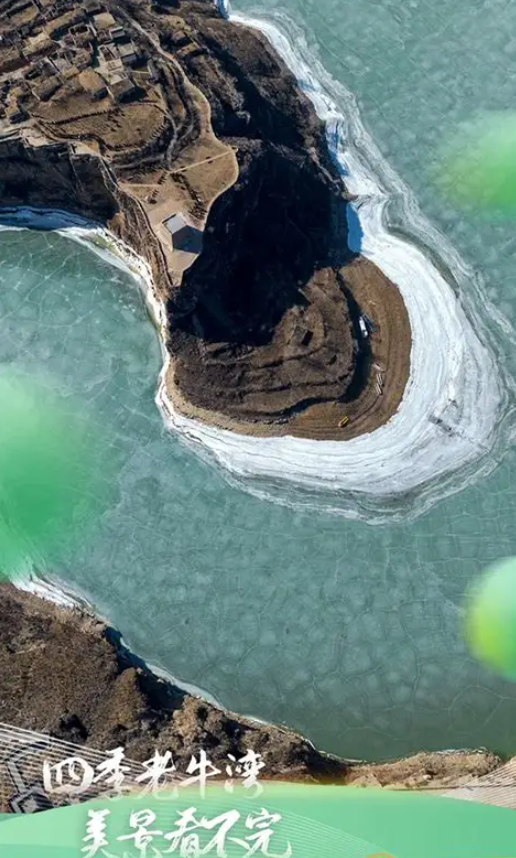
The Yellow River Grand Canyon presents a large "U"-shaped turn in the Laoniuwan section. The river channel is winding and meandering, with the narrowest point only several dozen meters wide and the widest point about 300 meters. The cliffs on both sides of the canyon are steep, with an average elevation difference of more than 100 meters. When the Yellow River flows through here, the current is swift, striking the rocks on both banks and forming unique geological landscapes. Tourists can take a boat tour of the canyon and closely feel the majestic momentum of the Yellow River and the steep scenery of the canyon.
Laoniuwan Ancient Village
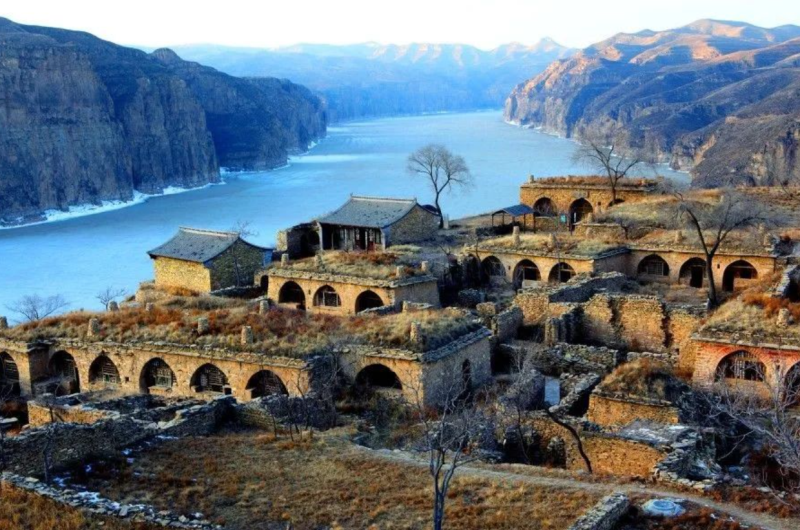
Laoniuwan Ancient Village is built against the mountains and beside the water. Most of the buildings in the village are traditional cave dwellings, mainly using stone as building material, distributed in an orderly yet scattered way on the hillside. The ancient village has preserved a complete village layout. The alleys are narrow and deep, and the stone-paved roads have been polished smooth and round over the years. There are many old courtyard houses more than a hundred years old in the village, with exquisitely carved doors and windows, showcasing the characteristics of local traditional architecture. It is an excellent place to learn about the folk culture along the banks of the Yellow River.
Baozita Bend
Baozita Bend is another important landscape of the Yellow River Grand Canyon, named because the mountain body resembles a steamed bun. Here, the Yellow River channel winds and turns, forming multiple "S"-shaped bends. The mountain rocks on both sides are steep, and the vegetation is sparse, fully displaying the desolate beauty of the Loess Plateau. Looking into the distance from a high place, the Yellow River is like a golden ribbon wrapped around the mountains, and the scenery is spectacular. It is an ideal shooting location for photography enthusiasts.
Food
Yellow River Big Carp
Yellow River Big Carp is a specialty dish of the scenic area and its surroundings. It uses carp naturally grown in the Yellow River, and the meat is tender and firm. There are various cooking methods, mainly braised and steamed. Braised Yellow River Big Carp is bright red in color, rich in sauce, and the fish meat is full of flavor; steamed Yellow River Big Carp retains the freshness of the fish meat to the greatest extent, paired with seasonings such as scallions and ginger, with a sweet taste. It is a must-try dish for tourists to taste the flavor of the Yellow River.
Sour Rice
Sour Rice is a local traditional food made from fermented millet or broomcorn millet, with a slightly sour and refreshing taste. It is usually eaten with shredded potatoes, pickles, and other side dishes. It can both stimulate the appetite and cut through grease. It is an important part of the daily diet of local residents and reflects the characteristics of northern coarse grain dietary culture. This specialty staple food can be tasted in farm restaurants around the scenic area.
Yellow Rice Cold Cake
Yellow Rice Cold Cake uses yellow rice as its raw material. After steaming, red dates, bean paste, and other fillings are added. It is eaten after refrigeration, with a soft, glutinous, sweet taste, cool and refreshing. Yellow rice is one of the main coarse grains locally and is rich in nutrients. This dish both retains the healthy characteristics of coarse grains and has a sweet taste. It is an excellent dessert for summer outings and can be found at snack stalls and farmyards in the scenic area.
Tickets:
Tickets are 40 yuan per person, and combination tickets are 60 yuan per person (including admission and round-trip shuttle bus).
You can search for the official public account "Qingshuihe Laoniuwan Yellow River Grand Canyon Tourist Area" on WeChat to get the latest updates or buy tickets online.
Opening Hours:
The opening hours of the scenic area are April 1-October 31, 8:00-18:00 (last entry at 17:30); November 1-next March 31, 9:00-17:00 (last entry at 16:30). In winter, some areas may be closed due to weather conditions. It is recommended to confirm the opening situation through official channels before traveling.
Tour Route:
After entering the scenic area, tourists can first go to Laoniuwan Ancient Fort, visit the fort ruins, and learn about its military history, which takes about 1 hour; then go to Laoniuwan Ancient Village, stroll through the village alleys, and experience cave dwelling architecture and folk culture, which takes about 1.5 hours; have lunch at a farm restaurant in the ancient village and taste local specialty food. In the afternoon, take a boat tour of the Yellow River Grand Canyon and enjoy the canyon scenery, about 2 hours round trip; finally go to the Baozita Bend observation deck and climb high to overlook the beautiful bends, which takes about 1 hour. The total tour duration is about 6-7 hours, allowing a comprehensive appreciation of the scenic area's natural and cultural landscapes.
Transportation:
Self-driving: Departing from Xinzhou City, Shanxi Province, drive along the Cangyu Expressway and Hubei Expressway, exit at Pianguan, then drive along county roads to Laoniuwan Village. The total distance is about 250 kilometers, and the drive takes about 4.5 hours. Departing from Hohhot City, Inner Mongolia, drive along the Beijing-Tibet Expressway and Xingba Expressway, exit at Qingshuihe, then go to Laoniuwan. The total distance is about 180 kilometers, and the drive takes about 3.5 hours. There is a parking lot in the scenic area, with a charging standard of 10 yuan per vehicle per day.
Public transportation: You can take a shuttle bus from Pianguan County Bus Station to Wanjiazhai Town, then transfer to a local taxi or agricultural tricycle to go to Laoniuwan Village. The shuttle bus departure times are 8:00 and 13:00 every day, the ride takes about 1.5 hours, and the fare is about 20 yuan per person. The taxi fare is about 30 yuan per vehicle.
Must-Visit Attractions:
Laoniuwan Ancient Fort: Ming Dynasty military fort ruins. Visitors can overlook the unique landscape where the Yellow River and the Great Wall meet and learn about ancient border defense history. It covers an area of about 3,000 square meters and preserves complete facilities such as watchtowers and barbicans.
Yellow River Grand Canyon: A boat tour allows visitors to closely experience the majesty of the Yellow River and the steepness of the canyon. The "U"-shaped large turn landform is unique, with steep cliffs on both sides and spectacular scenery. The one-way boat trip is about 10 kilometers, and the tour time is about 1 hour.
Baozita Bend: Climb high to overlook the beautiful bends of the Yellow River. The mountain shape is unique, and it is a paradise for photography enthusiasts. The observation deck is at an altitude of about 1,200 meters, with a broad field of vision, allowing visitors to take in the "S"-shaped river channel at a glance.
Travel Suggestions:
It is recommended that the tour duration be 1-2 days. If time permits, you can stay one night in a cave dwelling homestay in the ancient village and experience the village night scenery and the Yellow River scenery in the early morning.
The best travel season is April-October. Among these, June-August has a cool climate and is suitable for boat tours; September-October has clear autumn air and the mountain vegetation presents colorful hues, making it a good time for photography.
The scenic area is mostly mountain roads. It is recommended to wear comfortable sports shoes and bring sun protection items, drinking water, and a small amount of snacks in case of need.
You can ask local villagers to serve as guides to learn more about the historical stories and folk culture of Laoniuwan. The guide fee is about 100 yuan per day.
Precautions:
Some areas of the Yellow River canyon are steep. Pay attention to safety when visiting, follow the scenic area's sign guidance, and do not enter unopened areas without authorization.
When taking a boat tour, wear a life jacket properly, follow the crew's instructions, and do not walk or stand casually on the boat to prevent accidents.
Respect the living customs and religious beliefs of local villagers. Do not enter villagers' homes or touch private property without permission. Ask for consent before taking photos.
Dining prices in the scenic area are relatively high. You can bring some dry food and drinking water. When dining, choose regular farm restaurants to ensure food hygiene.
In winter, some roads in the scenic area may freeze. Drive cautiously when going by car, and install anti-skid chains if necessary. Public transportation schedules may be reduced, so confirm departure times in advance.