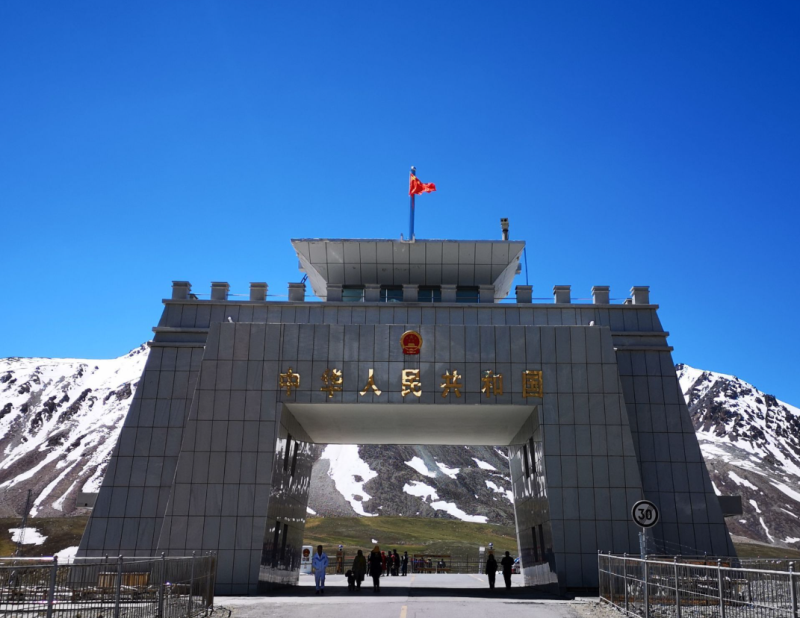
The Hongqilapu Khunjerab Pass Scenic Area is located in Tashkurgan Tajik Autonomous County, Kashgar Prefecture, Xinjiang Uygur Autonomous Region. It lies among the icy peaks and snowy ridges of the Pamir Plateau and is a national 4A-level scenic area. The scenic area has distinctive features. As one of the highest-altitude national gates in the world, it has a majestic national gate structure, surrounded by towering snow-capped mountains. The natural scenery is magnificent, and it also carries rich historical and cultural connotations and symbolizes China-Pakistan friendship. In terms of architecture, the Hongqilapu Khunjerab Pass had a total investment of 3 million yuan and took three years to build. It was a tribute project for the 60th anniversary of the founding of New China. At present, there is no clear relevant information on the scenic area's size.
Historical Culture
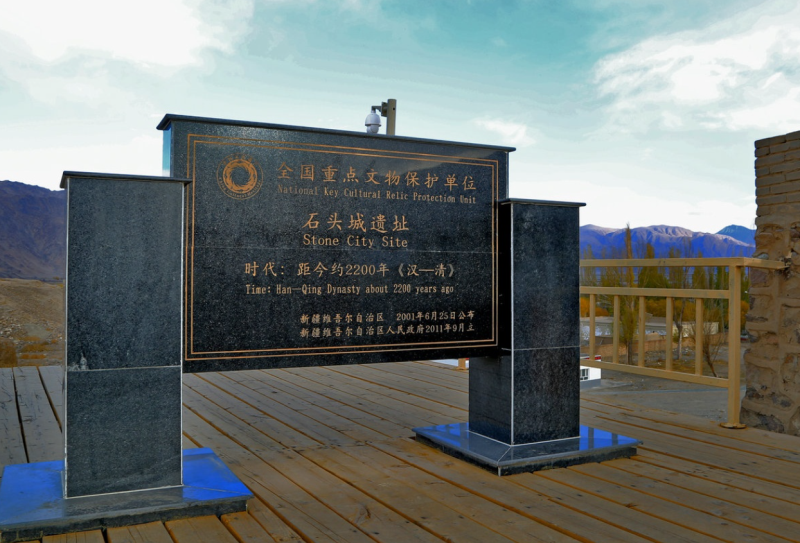
As early as more than 1,000 years ago, the Hongqilapu Port was an important pass on the famous "Silk Road" and a vital throat route to India, Central Asia, West Asia, and even Europe. In 119 BC, when Zhang Qian was sent on a mission to the Western Regions, he passed through here, and Tang Dynasty monk Xuanzang also returned to China through here after going to India to obtain Buddhist scriptures. In the Tajik language, "Hongqilapu" means "the blood-dyed passage." Behind this name lies a rich historical background and arduous stories of border defense. In 1968, the Shuibulanggou Border Defense Inspection Station was established, and in 1982 it was renamed the Hongqilapu Border Defense Inspection Station. On May 1, 1986, the Hongqilapu Port was officially opened to third-country personnel and embarked on the path of internationalization. In 2009, China's Hongqilapu Khunjerab Pass was completed. On April 3, 2023, passenger customs clearance was resumed, and on July 15 of the same year, the scenic area opened for trial operation to domestic tourists. During the Third Belt and Road Forum for International Cooperation, China and Pakistan announced that the Hongqilapu Port would be open year-round, and it will play an even more important role in promoting China-Pakistan economic and trade exchanges and cultural and people-to-people exchanges.
Main Attractions
Hongqilapu Khunjerab Pass
Located at Boundary Marker No. 7 at the China-Pakistan border, it is the terminus of the China-Pakistan Friendship Highway G314 National Road and the core landscape of the scenic area. The national gate structure is majestic and spectacular, with a total investment of 3 million yuan and an altitude of more than 5,000 meters. It is the highest-altitude national gate in Xinjiang and a tribute project for the 60th anniversary of the founding of New China.
Pamir Plateau Viewing Platform
It is a natural viewing spot where visitors can take in the magnificent plateau scenery. The distant snow-capped mountains shine with holy light under the sunlight, forming a beautiful contrast with the nearby plateau lakes and creating an absolutely stunning picture.
Boundary Marker No. 7
As the boundary marker between China and Pakistan, it stands firm like a loyal guard, witnessing friendly exchanges between the two countries. It is also a popular spot for tourists to take photos as souvenirs.
Front Sentinel Post
It is 3.6 kilometers away from the national gate. The border defense post here is like a resolute soldier, guarding border security day and night and demonstrating the perseverance and dedication of border defense soldiers.
Food
Tajik Hand-Grabbed Mutton
Made with local high-quality mutton, the cooking process preserves the original flavor of the mutton. The meat is tender and delicious. It is a traditional Tajik dish and is usually eaten with naan.
Yak Hot Pot
It uses yak meat as the main ingredient, paired with various fresh vegetables. Yak meat is firm and nutritious. Eating a steaming pot of yak hot pot in the plateau region can both resist the cold and allow visitors to taste a unique flavor.
Tajik Naan
Made from wheat flour and through a special baking process, it has a crispy outer layer and a soft interior. It is one of the local staple foods, can be preserved for a long time, and is convenient for tourists to eat during their travels.
Tickets:
Tickets are 39.5 yuan per person.
You can search for the official WeChat public account "Pamir Scenic Area" to get the latest updates or buy tickets online.
Opening Hours:
Generally, it is open 24 hours a day from May 1 to December 20 each year. However, in case of special circumstances or extreme severe weather (such as thunderstorms, rain and snow, hail, heavy fog, rainstorms, etc.), the scenic area may be temporarily closed or partially closed. If there are changes to the scenic area's activities, please refer to the announcement of the day.
Tour Route:
Tourists need to take the sightseeing bus uniformly at the Tashkurgan Pamir Scenic Area Tourist Service Center. The route is: Tashkurgan Pamir Scenic Area Tourist Service Center -> Zihua Pasture Service Area (restroom) -> Front Sentinel Post -> Hongqilapu Khunjerab Pass -> Zihua Pasture Service Area (restroom) -> Tashkurgan Pamir Scenic Area Tourist Service Center. During the tour, you can first enjoy the plateau scenery at the viewing platform, then go to the front sentinel post to experience the life of border defense soldiers, and then go to the Hongqilapu Khunjerab Pass and Boundary Marker No. 7 to take photos as souvenirs.
Transportation:
Self-driving: Starting from Kashgar, drive about 415 kilometers along the China-Pakistan Highway (National Road 314) to reach the scenic area. However, the road conditions from Kashgar to Tashkurgan are poor. Before driving, check the vehicle condition, bring supplies, fill up the tank before departure, and prepare an extra barrel of emergency fuel.
Public transportation: You can first take the regular bus from Kashgar to Tashkurgan County, and after arriving, charter a car to the Hongqilapu Port. The charter price is about 300 to 600 yuan.
Must-Visit Attractions:
Hongqilapu Khunjerab Pass: One of the highest-altitude national gates in the world. It is majestic and spectacular, symbolizes China-Pakistan friendship, and has important historical significance and commemorative value.
Boundary Marker No. 7: As a symbol of the boundary between the two countries, it witnesses friendly exchanges between China and Pakistan. Tourists can take photos here and feel the solemn atmosphere of the border.
Pamir Plateau Viewing Platform: Visitors can enjoy magnificent plateau scenery, including natural landscapes such as snow-capped mountains and lakes. It is a paradise for photography enthusiasts.
Travel Suggestions:
It is recommended to spend half a day to one day touring, arrange time reasonably, and fully experience the charm of the scenic area.
Because the scenic area is at a high altitude and the oxygen content is less than half that of the plains, it is recommended to prepare anti-altitude sickness medicine and oxygen in advance. During the tour, pay attention to rest and avoid strenuous exercise.
The climate in the scenic area is cold, and the temperature difference between day and night is large. Even in summer, it is necessary to bring warm clothing such as thick cotton clothes and down jackets.
Respect local religious beliefs and customs, especially the cultural traditions of the Tajik people.
Precautions:
To go to the Hongqilapu Port, you must first obtain a border pass permit at the Kashgar Border Defense Detachment. After arriving in Tashkurgan Tajik County, go to the local border defense office to obtain a special permit.
The national gate scenic area is a border restricted area. Visitors entering the park must follow the arrangements of on-site staff and must not cross into restricted or prohibited areas.
Pets are strictly prohibited from being brought into the scenic area without permission.
Protect the scenic area environment, do not litter, and do not damage natural landscapes or cultural relics and historical sites.