Xunpu Village is a village under the administration of Donghai Subdistrict, Fengze District, Quanzhou City, Fujian Province. Located about 10 kilometers southeast of downtown Quanzhou, it sits on the northern bank of the Jinjiang River estuary (Quanzhou Bay), near the ancient Citong Port. The village covers an area of approximately 2.3 square kilometers, with a coastline stretching 3 kilometers. As of 2019, Xunpu Village had 1,970 households and a registered population of around 7,000.
Situated at the mouth of the Jinjiang River in Quanzhou, the village is backed by Zhegu Mountain and surrounded by the sea on three sides. It features a subtropical marine monsoon climate, characterized by cool summers, mild winters, abundant rainfall, and evergreen scenery throughout the year. The area began to be developed as early as the Tang and Song dynasties. During the Ming Dynasty, the Zhegu Inspection Division was established here to protect the prefectural city. The village was named "Xunpu" due to its abundance of red swimming crabs (hong xun) in the Quanzhou region.
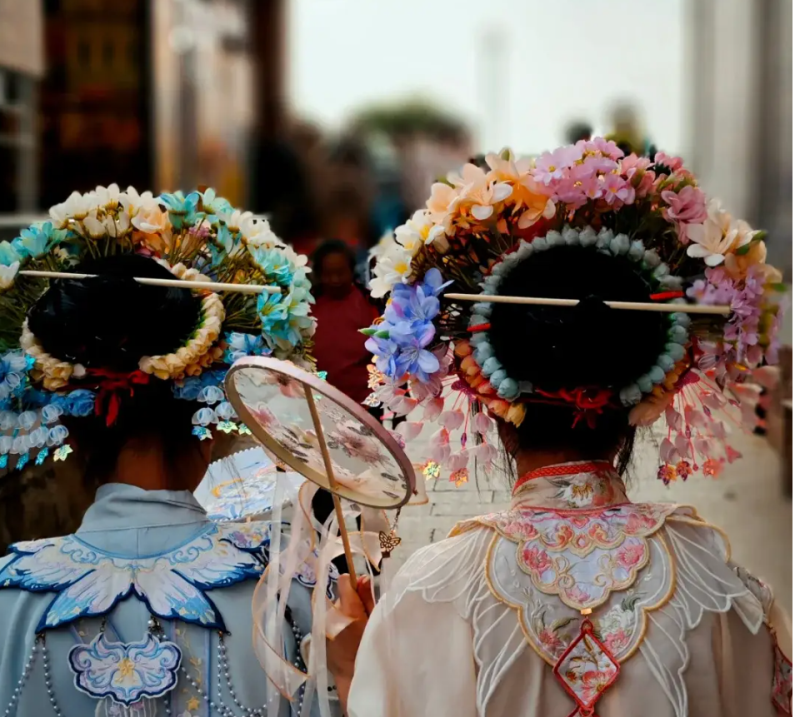
Located on the northern shore of Quanzhou Port, the starting point of the Maritime Silk Road, Xunpu Village once served as a departure point for ocean-going merchant ships. The women of Xunpu are famous for wearing "Zanhuawei" (floral headwear garlands). The customs of Xunpu women, represented by the "Zanhuawei," have been listed in the second batch of China's National Intangible Cultural Heritage. Within the village, Shunji Palace is a key cultural relic protection unit of Quanzhou City (4th batch), and other scenic spots include Ninghai Temple and Fumei Palace. In 2007, Xunpu Village was designated by the State Council as a "Demonstration Site for the Holistic Protection of the Minnan Cultural Ecology in Xunpu Community, Fengze District."