Located in the southeast of Fujian Province, on the northeast bank of the lower Jinjiang River, Qingyuan Mountain shares borders with downtown Quanzhou on three sides. Situated between 118°30'–118°37' E and 24°54'–25°0' N, it lies 106 kilometers from Xiamen and 196 kilometers from Fuzhou.
Known as "Quanshan" (Spring Mountain) for its numerous springs, "Qiyunshan" (Cloud-Reaching Mountain) for its towering height, "Beishan" (North Mountain) for its location north of the city, and "Santai Mountain" for its three peaks, it stands at an elevation of 615 meters and covers a total area of 62 square kilometers.
As one of the "Eighteen Views of Quanzhou," Qingyuan Mountain is a National Key Scenic Area. It consists of three major zones: Qingyuan Mountain, Jiuri Mountain, and the Lingshan Holy Tomb. With a scenic radius of 40 li (approx. 20 km) and a main peak rising to 498 meters, the mountain has long attracted travelers from around the world.
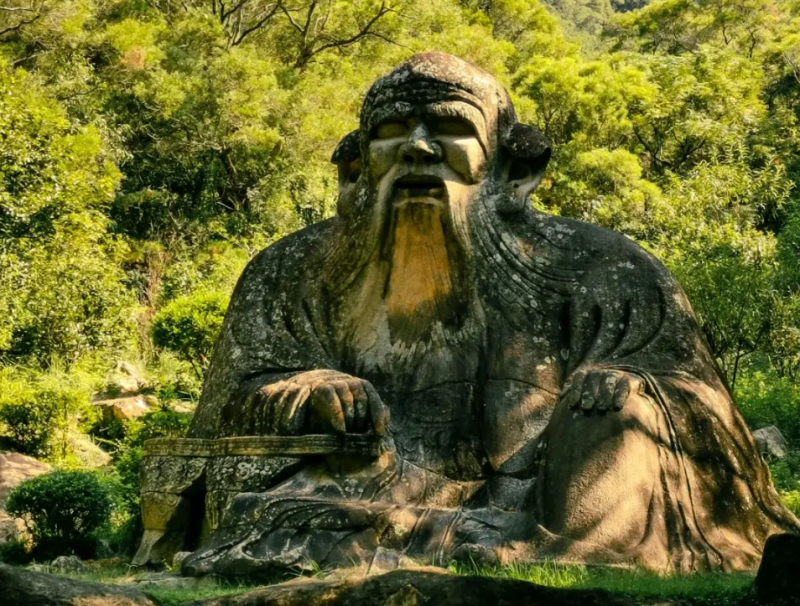
Famous for its "36 Grotto-Heavens and 18 Scenic Spots," highlights include the Old君 Rock (Laojun Rock), Thousand-Hand Rock, Maitreya Rock, Bixiao Rock, Ruixiang Rock, Tiger Milk Spring, Nantai Rock, Qingyuan Cave, and Ci'en Rock. As of September 2022, the area is home to 3 National Key Cultural Relics Protection Units and 8 Provincial Key Cultural Relics Protection Units.
Today, Qingyuan Mountain is recognized as a National 5A Tourist Attraction and a dual heritage site of both nature and culture.